
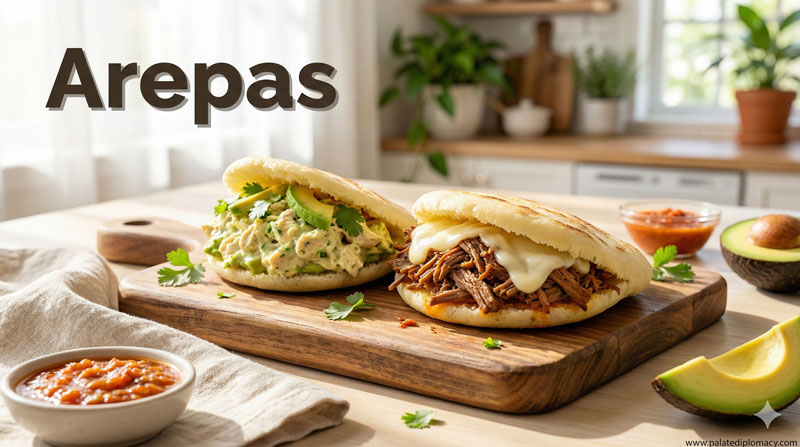
Venezuelan Arepas Ingredient Substitution Guide: Celebrating Culinary Creativity
Arepas are a cornerstone of Venezuelan cuisine. These versatile, round, flat breads embody tradition, adaptability, and a deep connection to local ingredients. For many, arepas are more than just a meal—they are a cultural symbol that brings people together, fostering community and shared heritage. Understanding the importance of ingredients in arepas enhances appreciation for this beloved dish and invites culinary experimentation. This guide explores the cultural value and culinary significance of arepas, along with practical tips for ingredient substitution.
The Cultural Significance of Arepas in Venezuela
In Venezuelan culture, arepas serve as a national culinary icon. They are present at breakfast tables, family gatherings, and festive celebrations. The simplicity of their ingredients—primarily corn—harkens to the rich agricultural practices of the region. Arepas symbolize warmth, comfort, and continuity, connecting generations through shared recipes and customs.
Eating arepas is an experience rooted in tradition. They can be filled with an array of ingredients—cheese, meats, beans, or avocados—making them accessible to a variety of tastes and dietary preferences. This adaptability further cements their role as a unifying food source that reflects the diverse flavors of Venezuelan cuisine.
The Culinary Significance of Arepas
Arepas are celebrated for their versatility. They can be baked, grilled, fried, or even boiled, depending on regional preferences and personal tastes. Their neutral flavor profile provides a perfect canvas for a wide range of fillings and toppings, from savory cheeses to hearty meats and fresh vegetables.
The key to authentic arepas lies in the corn-based dough, which connects to the indigenous culinary roots of Venezuela. Corn has been cultivated in the region for centuries, and the method of preparing arepas honors this agricultural heritage. The dough’s texture and flavor are essential to achieving the perfect arepa, but ingredient substitutions can open new avenues for culinary creativity while respecting tradition.
Ingredient Substitutions: Embracing Flexibility
While traditional arepas rely on specific ingredients like pre-cooked white or yellow cornmeal (also known as “harina de maíz precocida”), substitutions can accommodate dietary needs, availability, or personal preferences. Embracing ingredient flexibility allows chefs and home cooks alike to explore new flavors and textures without losing sight of the dish’s cultural essence.
Common substitutions include using different types of cornmeal, such as coarse or fine grits, or experimenting with gluten-free flours like tapioca or cassava. These adjustments can alter the texture and flavor slightly but still preserve the core qualities of the arepa. The goal is to maintain the cultural identity of the dish while making it accessible and adaptable.
Celebrating Culinary Creativity
The beauty of the Venezuelan arepa lies in its ability to evolve while honoring its roots. Ingredient substitution is a way to celebrate culinary innovation without compromising tradition. Whether you’re substituting with locally available grains or adjusting for dietary restrictions, each variation offers a chance to connect with the rich culinary history of Venezuela.
This openness to adaptation encourages cooks around the world to embrace the essence of arepas and make it their own. It also highlights the universal appeal of simple, wholesome ingredients that can be transformed into a delicious and culturally meaningful dish.
Conclusion
Venezuelan arepas hold a special place in the cultural and culinary landscape of Venezuela. Their significance extends beyond nourishment—they symbolize tradition, community, and resilience. Ingredient substitutions allow for creative expression and inclusivity, ensuring that the beloved arepa continues to thrive in diverse kitchens worldwide.
Whether you follow traditional recipes or craft your own variations, celebrating arepas is embracing a dish rich in history and flavor. So, explore, experiment, and enjoy the timeless charm of this iconic Venezuelan delicacy.