
Venezuelan Arepas Masa Harina Selection Guide
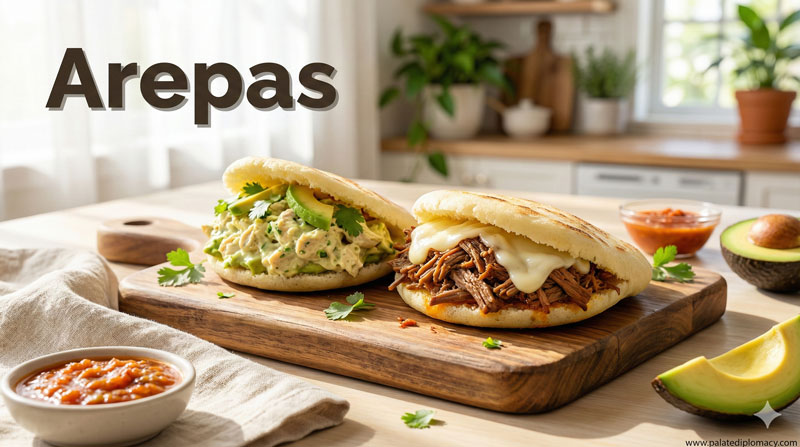
Arepas are more than just a staple food in Venezuela; they are a symbol of cultural identity, community, and culinary artistry. This charming dish has been enjoyed for generations, embodying the warmth and vibrant spirit of Venezuelan cuisine. Whether enjoyed for breakfast, lunch, or dinner, arepas hold a special place at the heart of every Venezuelan table.
The Cultural Significance of Arepas in Venezuela
Arepas are deeply woven into the fabric of Venezuelan life. They are celebrated across regions, social classes, and age groups, serving as a unifying culinary tradition. This versatile dish reflects the creativity and resourcefulness of Venezuelan cooks, who have perfected countless variations over the years. Each arepa is a canvas that showcases local ingredients, family recipes, and regional flavors.
Beyond their delicious taste, arepas symbolize togetherness and community. They are often shared during family gatherings, community festivals, and everyday meals. The process of preparing and enjoying arepas fosters connection and cultural pride, making them an enduring emblem of Venezuelan culinary heritage.
The Culinary Significance of Masa Harina in Arepas
Masa harina, a specially processed corn flour, is the backbone of authentic Venezuelan arepas. Its unique texture and flavor lend the dish its characteristic chewy exterior and tender interior. Using high-quality masa harina is essential to achieving the perfect arepa, as it ensures consistency and authenticity in every bite.
The versatility of masa harina allows for endless creative expressions. It can be combined with different ingredients to produce a variety of flavors, textures, and fillings. From simple, plain arepas to those filled with cheese, meats, or vegetables, masa harina remains the foundational ingredient that connects all these delicious variations.
Selecting the Right Masa Harina for Arepas
Choosing the right masa harina is the first step toward making authentic Venezuelan arepas. Look for products that are labeled specifically for arepas, as they contain the right type of corn flour designed for this purpose. High-quality masa harina is usually made from finely ground, nixtamalized corn, which enhances flavor and digestibility.
Pay attention to the texture of the flour—some masa harina is coarser, providing a heartier bite, while others are finely milled for a smoother consistency. The best selection depends on personal preference and the desired outcome for your arepas.
Preserving Tradition Through Quality Ingredients
While the preparation of arepas can vary, the secret to an exceptional dish lies in the quality of the ingredients. Selecting premium masa harina preserves the traditional flavors and ensures a satisfying experience. It also honors the culinary craftsmanship passed down through generations.
In addition to masa harina, consider other authentic ingredients like fresh water and salt, which complement the corn flour’s natural sweetness and earthiness. The careful selection of these components enhances the overall cultural and culinary value of your arepas.
Celebrating Arepas as a Culinary Icon
Arepas are more than a dish; they are a celebration of Venezuelan culinary ingenuity. As you explore the world of masa harina, you join a rich tradition that emphasizes simplicity, flavor, and community. Whether enjoyed plain or filled with a variety of tasty ingredients, arepas continue to delight and inspire.
By choosing the right masa harina and appreciating its cultural importance, you can bring a piece of Venezuela’s vibrant food heritage into your own kitchen. Celebrate the beauty of this timeless dish and savor the connection it fosters to a rich culinary history.
Discover the joy of making and sharing Venezuelan arepas. Embrace their cultural richness and culinary significance, and let each bite remind you of the warmth and vibrancy of Venezuelan cuisine.