
Discovering Venezuelan Arepas: A Cultural and Culinary Treasure
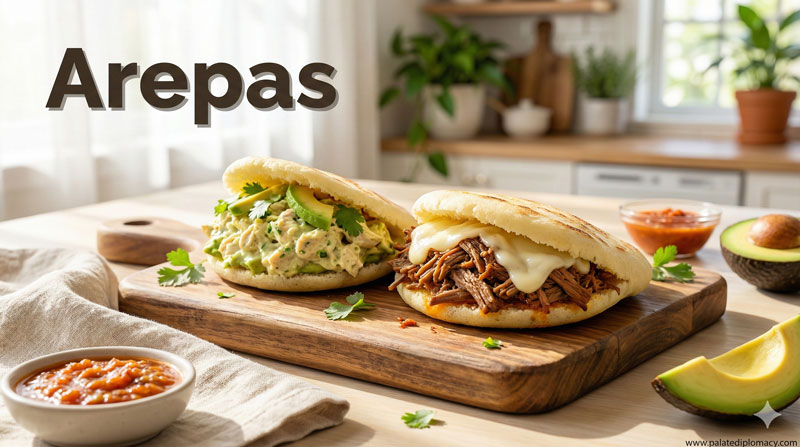
Venezuelan arepas are more than just a popular dish—they are a vibrant symbol of the country’s rich culinary heritage. These golden, round pastries are woven into daily life, bringing people together through their simple yet versatile nature. The presentation and plating of Venezuelan arepas elevate them from everyday fare to a delightful visual experience that reflects the warmth and creativity of Venezuelan cuisine.
The Cultural Significance of Arepas in Venezuela
In Venezuela, arepas hold a special place in the heart of the nation. They are an essential part of breakfast, lunch, and dinner, often prepared with care and pride. Arepas are a reflection of local ingredients and traditional flavors, embodying the country’s agricultural richness. Their presence at family gatherings, celebrations, and casual meals showcases their role as a unifying dish, connecting generations and communities.
The cultural importance of arepas extends beyond their ingredients. They symbolize comfort and familiarity, offering a taste of home for Venezuelans everywhere. Whether filled with cheese, meats, or vegetables, arepas adapt to local tastes while maintaining their core identity. Their presentation often highlights the colorful and diverse fillings, making each serving a small celebration of Venezuelan culinary artistry.
Culinary Significance and Presentation Style
Venezuelan arepas are renowned for their perfect balance of crispy exterior and soft interior. The presentation begins with shaping the dough into round discs, giving each arepa a uniform, appealing look. Chefs and home cooks alike take pride in achieving a smooth, golden-brown crust that invites curiosity and appetite.
The plating of arepas emphasizes simplicity paired with visual appeal. Often, they are sliced open to showcase the filling, which can range from fresh cheeses to shredded meats and flavorful avocados. Garnishing with herbs, sauces, or colorful vegetables enhances their visual charm and signals the diversity of flavors contained within.
Moreover, the presentation often highlights the communal aspect of the dish. Arepas are typically served on rustic wooden platters or in vibrant ceramic dishes, emphasizing their role as a shared meal. This inviting display encourages communal eating, highlighting the social value of Venezuelan cuisine.
Celebrating the Beauty of Venezuelan Arepas
The artistry involved in presenting Venezuelan arepas lies in its balance of simplicity and elegance. Each plate tells a story of tradition, flavor, and community spirit. The natural golden hue of the arepas, combined with the vibrant colors of fillings and garnishes, creates a visually stunning dish that delights both the eyes and the palate.
In recent years, chefs worldwide have embraced the beauty of Venezuelan arepas, experimenting with innovative fillings and plating techniques. Yet, the core essence remains rooted in honoring the cultural significance and culinary simplicity that make arepas so beloved.
Conclusion
Venezuelan arepas are more than just a meal—they are a celebration of culture, community, and culinary artistry. Their presentation and plating reflect the vibrant spirit of Venezuela, showcasing a dish that is versatile, meaningful, and visually captivating. Whether enjoyed in a traditional setting or a modern culinary space, arepas continue to inspire admiration for their timeless appeal and cultural depth. Explore this iconic dish and discover why it remains a cherished symbol of Venezuelan hospitality and culinary pride.