
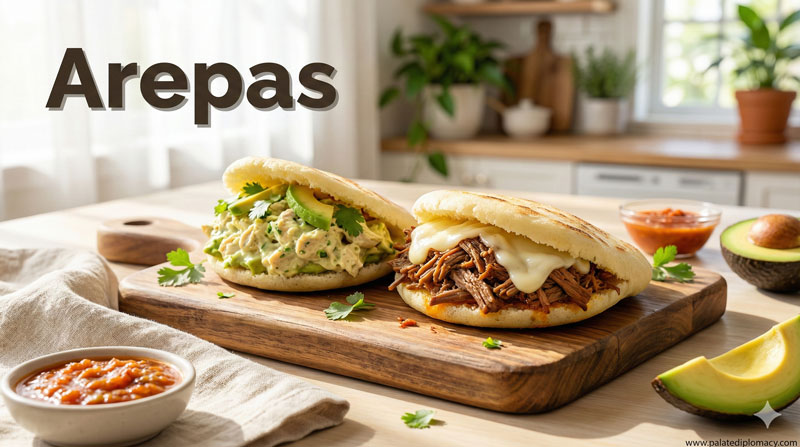
Celebrating the Culinary Heritage of Venezuelan Arepas
Venezuelan arepas are more than just a staple food; they are a vibrant symbol of the country’s rich culinary culture. These versatile cornmeal cakes have been enjoyed for generations, embodying tradition, community, and flavor. As a beloved national dish, arepas showcase Venezuela’s ingenuity in transforming simple ingredients into a delightful culinary experience. Their warm aroma and satisfying texture evoke a sense of comfort and belonging, making them an essential part of everyday life and festive celebrations alike.
The Cultural Significance of Arepas in Venezuela
Arepas hold a special place in the hearts of Venezuelans. They are often considered a symbol of national identity and pride. Consumed at breakfast, lunch, dinner, and even snack time, arepas adapt seamlessly to a variety of fillings and toppings, reflecting regional tastes and personal preferences. From the bustling streets of Caracas to the serene towns in the countryside, these cornmeal cakes unify communities and generations through shared culinary traditions.
Beyond their role as a food, arepas foster social bonds and family traditions. Preparing and sharing them is a communal activity that reinforces cultural values of togetherness and hospitality. Their simplicity and adaptability also make them accessible to many, emphasizing the importance of shared food experiences in Venezuelan culture.
The Culinary Significance of Arepas
Arepas are celebrated for their culinary versatility. Made from pre-cooked cornmeal, they serve as a blank canvas for countless flavor combinations. They can be grilled, baked, fried, or simply toasted, offering a variety of textures and taste experiences. Fillings range from classic options like cheese and shredded meats to innovative vegetarian or vegan toppings, making them suitable for every palate.
This dish exemplifies Venezuelan culinary ingenuity—transforming humble ingredients into a nourishing and flavorful meal. The process of creating the perfect arepa involves skill and a keen understanding of texture and consistency. Its cultural importance is amplified when filled with local ingredients, showcasing regional agricultural products and culinary creativity.
The Evolution of Arepas: Innovation and Optimization
In recent years, chefs and food enthusiasts have explored new ways to innovate and optimize traditional arepas. This evolution aims to enhance their flavor, nutritional value, and presentation while respecting their cultural roots. Modern Adaptations include incorporating diverse grains, enriching the dough with superfoods, and experimenting with fillings that reflect contemporary tastes.
These innovations serve to preserve and celebrate the essence of arepas while making them relevant to today’s diverse dietary preferences. They also highlight the dynamic nature of Venezuelan cuisine, which continually evolves while honoring its rich history. The pursuit of culinary optimization ensures that arepas remain a beloved dish for future generations, inspiring new appreciation and creativity.
Embracing the Beauty of Venezuelan Arepas
Venezuelan arepas are a testament to the beauty of simple ingredients transformed through tradition, innovation, and cultural pride. They are more than just a food; they are a celebration of heritage, community, and culinary artistry. Whether enjoyed in their classic form or through innovative adaptations, arepas continue to delight and unite people, embodying the vibrant spirit of Venezuelan cuisine.
As you explore the world of Venezuelan arepas, remember their deep cultural roots and the joyful creativity that shapes each bite. This dish is a shining example of how food can serve as a bridge to understanding and appreciating the diverse tapestry of culinary traditions around the world.