
Discovering the Cultural and Culinary Significance of Venezuelan Arepas
Arepas are a beloved staple in Venezuelan cuisine, celebrated for their versatility, rich history, and deep cultural roots. This simple yet profound dish holds a special place in the hearts of many, offering a taste of tradition with every bite. In this blog post, we explore the cultural value and culinary importance of the Venezuelan Arepas, highlighting why it remains a cherished part of daily life and festive occasions alike.
The Cultural Roots of Arepas
Arepas are more than just a food; they are a symbol of Venezuelan identity. Originating from indigenous traditions, these cornmeal cakes have been enjoyed for centuries. They embody a connection to the land and a heritage that has been passed down through generations. Whether served at a humble breakfast table or during a festive gathering, arepas serve as a unifying element that brings communities together.
The preparation and sharing of arepas often reflect familial bonds and social bonds. This dish is adaptable to various settings, from quick meals to elaborate celebrations. Its cultural significance goes beyond sustenance, representing resilience, tradition, and community cohesion.
Culinary Versatility and Significance
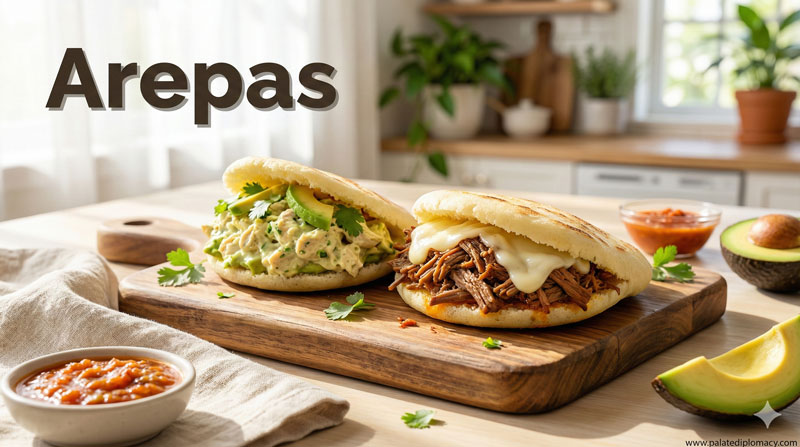
One of the most remarkable qualities of Venezuelan arepas is their versatility. They can be baked, grilled, or fried, and are often split open to fill with an array of ingredients. From cheese and shredded beef to beans and avocado, the fillings are as diverse as the tastes and preferences of those who enjoy them.
This adaptability makes arepas suitable for any occasion, whether a simple breakfast, a hearty lunch, or an elegant dinner. Their neutral flavor acts as a perfect canvas for an endless variety of toppings, allowing for creative expression while maintaining their fundamental identity.
Culinary experts consistently praise the texture of arepas — crispy on the outside and soft on the inside. This contrast enhances the eating experience, making each bite both satisfying and comforting. The use of high-quality cornmeal and traditional preparation methods underscores their authentic flavor and culinary authenticity.
Arepas as a Reflection of Food Culture
Venezuelan arepas are more than just a dish; they are a reflection of the country’s culinary ingenuity. Their simple ingredients and straightforward preparation highlight the beauty of minimalism and resourcefulness in cooking. The dish exemplifies how humble ingredients can be transformed into something extraordinary, fostering appreciation for traditional techniques and local produce.
Moreover, arepas serve as a medium for culinary innovation. Chefs and home cooks alike experiment with fillings and accompaniments, keeping the tradition vibrant and dynamic. This ongoing evolution ensures that arepas remain relevant and beloved across generations.
Celebrating Arepas in Daily Life
The widespread popularity of arepas means they are present in almost every Venezuelan household. They are a go-to meal that offers comfort, nourishment, and cultural connection. Many families prepare their own signature fillings, adding personal touches that elevate this humble dish.
Beyond their everyday appeal, arepas are often featured in special occasions and festivals, further emphasizing their cultural importance. Sharing arepas during communal gatherings fosters a sense of unity and celebration, reinforcing their role as a cultural staple.
Conclusion
Venezuelan arepas embody more than just culinary tradition—they are a vibrant expression of cultural identity and community spirit. Their versatility, rich history, and deep-rooted significance make them a treasured dish that connects past and present. As you explore Venezuelan cuisine, savoring an arepa is a delightful way to experience the essence of the country’s vibrant food culture.
Whether enjoyed plain or filled with your favorite ingredients, arepas invite you into a world where simple ingredients create profound cultural stories. Celebrate this iconic dish and appreciate its role as a symbol of tradition, ingenuity, and shared joy.