
Venezuelan Arepas Troubleshooting: Exploring Cultural and Culinary Significance
Venezuelan arepas are more than just a popular dish; they are a vibrant symbol of culinary tradition and cultural identity. These versatile cornmeal cakes have been cherished for generations and continue to hold a special place in Venezuelan households. Understanding their significance enriches our appreciation of this beloved dish.
The Cultural Roots of Arepas in Venezuela
Arepas are deeply rooted in Venezuelan history and culture. Traditionally made from ground maize dough, they trace back centuries as a staple food that sustains communities across the country. Arepas are often associated with everyday life, from hearty breakfasts to festive gatherings. They celebrate the rich agricultural heritage of Venezuela, where corn has long been a fundamental crop.
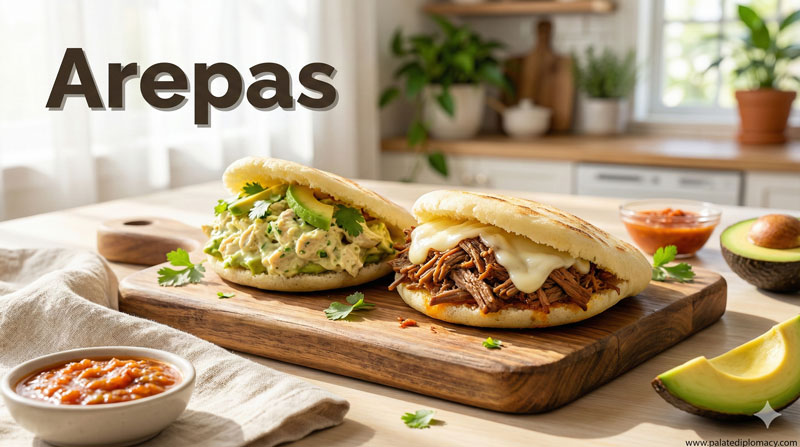
This dish embodies the warmth of Venezuelan hospitality. Families gather around to share arepas filled with an array of ingredients, reflecting regional tastes and personal preferences. Whether enjoyed plain or stuffed with cheese, meats, or avocados, arepas serve as a culinary canvas that brings people together.
Culinary Significance and Variations
Venezuelan arepas are celebrated for their versatility and adaptability. They can be baked, fried, or grilled, each method lending a different texture and flavor profile. The dough’s consistency is key, and mastering this aspect is essential for achieving the perfect arepa. Their crispy exterior paired with a soft, tender interior makes them a delightful experience for the senses.
Different regions in Venezuela boast their own unique takes on arepas. For example, some prefer them thin and crispy, while others enjoy thicker, bread-like versions. Fillings can range from simple cheese to elaborate combinations of meats, beans, and fresh vegetables. This diversity highlights their role as a communal dish that adapts to local ingredients and tastes.
Arepas as a Reflection of Venezuelan Identity
Arepas symbolize resilience, unity, and cultural pride. They are a testament to the ingenuity of Venezuelan cuisine, transforming humble ingredients into a dish that can be enjoyed at any time of day. Their presence in street markets, homes, and celebrations underscores their importance.
Sharing an arepa is also an act of connection, fostering a sense of community. The dish’s simplicity combined with its hearty nature fosters bonds among friends and families. It’s a culinary tradition that transcends generations, keeping cultural heritage alive and vibrant.
Final Thoughts: Embracing the Beauty of Arepas
Venezuelan arepas are a culinary treasure that captures the essence of a nation’s food culture. Their rich history, regional variations, and role in daily life make them a dish worth exploring and celebrating. As you delve into the world of arepas, you gain insight into the warmth and creativity that define Venezuelan cuisine.
Whether you’re savoring a crispy arepa for breakfast or enjoying a stuffed one at a festive gathering, remember that this humble dish is much more than food—it’s a symbol of community, tradition, and culinary artistry. Embrace its beauty and let it inspire your appreciation for Venezuelan culinary heritage.