
Venezuelan Arepas vs Colombian Arepas: Exploring Their Cultural and Culinary Significance
Arepas are a beloved staple across South America, especially in Venezuela and Colombia. These versatile cornmeal cakes symbolize more than just a meal—they embody tradition, community, and culinary artistry. While they share the same base ingredient, Venezuelan and Colombian arepas each bring unique flavors, textures, and cultural stories to the table. Let’s explore the fascinating differences that make each one special and discover how they reflect the rich culinary heritage of their regions.
The Cultural Roots of Arepas
Arepas hold a special place in the hearts of Venezuelans and Colombians alike. Traditionally, they are enjoyed at breakfast, lunch, or dinner, often filled or topped with an array of ingredients. These dishes have been passed down through generations, becoming a symbol of national pride and identity. Each country has developed its own style and methods, showcasing regional flavors and preferences. The humble arepa, therefore, is more than just food—it’s a cultural emblem that unites families and communities through shared meals and traditions.
The Basic Ingredients and Preparation
Both Venezuelan and Colombian arepas are made from cornmeal, highlighting the importance of corn in their culinary history. However, the preparations diverge in subtle but meaningful ways. Venezuelan arepas generally use pre-cooked corn flour, which results in a soft, pliable dough that can be shaped easily. Colombian arepas often incorporate fresh corn or a different type of flour, giving them a distinct texture and flavor profile. Despite these differences, both versions focus on simplicity and the celebration of corn’s natural sweetness.
Textural and Flavor Differences
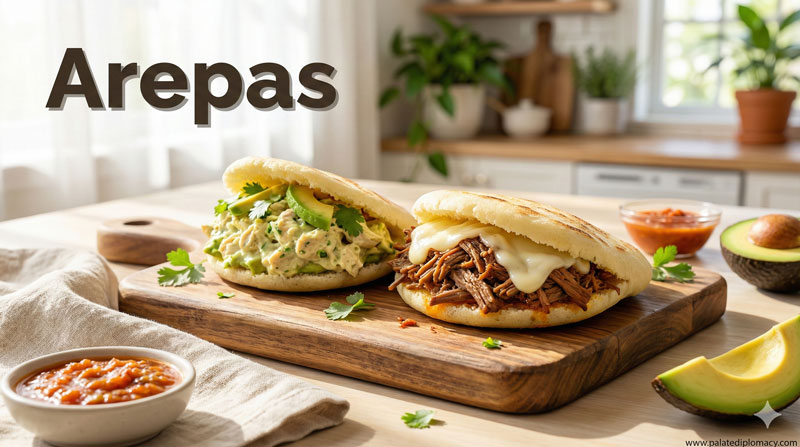
Venezuelan arepas are celebrated for their crispy exterior and soft, airy interior. Their slightly sweet flavor makes them an ideal base for a variety of fillings, from cheeses and meats to avocados and beans. The preparation emphasizes a golden crust, achieved through frying or baking, making each bite satisfying and hearty.
In contrast, Colombian arepas tend to have a coarser texture and a slightly denser consistency. They are often thicker and can be enjoyed plain or with minimal toppings. The flavor leans toward the earthy taste of fresh corn, providing a different sensory experience. Some Colombian variations are grilled or fried, adding a layer of smoky richness that complements their hearty nature.
Culinary Significance and Regional Variations
In Venezuela, arepas serve as a cornerstone of daily life, often filled with cheese, shredded beef, or eggs. They symbolize comfort and are a canvas for culinary creativity. The Venezuelan version is integral to many traditional dishes, such as “Arepa Reina Pepiada,” which features a creamy chicken and avocado filling, highlighting the dish’s versatility.
Colombian arepas, on the other hand, are often enjoyed as a side or snack, paired with regional stews or simply topped with butter and cheese. In Colombia’s coastal areas, arepas may be thicker and more rustic, while in highland regions, they are lighter and thinner. This regional diversity showcases how arepas adapt to local tastes and ingredients, reinforcing their cultural importance across different communities.
Celebrating Arepas as a Culinary Heritage
Both Venezuelan and Colombian arepas exemplify the rich culinary traditions of their regions. They are dishes that foster community, evoke nostalgia, and celebrate local ingredients. Whether in a bustling city street or a family kitchen, arepas bring people together through their comforting presence and endless possibilities.
In essence, exploring the differences between Venezuelan and Colombian arepas reveals more than culinary variety—it offers insight into the cultural fabric of two vibrant nations. Each version tells a story of history, regional identity, and culinary ingenuity. So, next time you enjoy an arepa, appreciate the deep cultural roots and the craftsmanship behind this timeless dish.
Conclusion
Venezuelan and Colombian arepas are cherished culinary treasures that highlight the diversity and richness of South American cuisine. Their unique textures, flavors, and regional styles demonstrate how a simple ingredient like corn can create a world of culinary expression. Embracing these differences allows us to appreciate the cultural significance of arepas and the artistry that makes each version special. Whether you prefer the crispy Venezuelan style or the hearty Colombian variety, both celebrate the enduring love for this iconic dish.