
Exploring the Cultural Significance of the Venezuelan Breakfast Workshop Design
Venezuelan cuisine is renowned for its vibrant flavors and rich culinary traditions. One standout among these is the unique and thoughtfully crafted dish known as the “Venezuelan Breakfast Workshop Design.” This culinary creation not only satisfies the palate but also serves as a window into Venezuela’s rich cultural tapestry. In this article, we will explore the culinary significance and cultural value of this distinctive breakfast dish.
The Essence of Venezuelan Breakfast Culture
Breakfast in Venezuela is more than a simple meal; it is a cherished daily ritual that reflects the country’s vibrant culinary heritage. The Venezuelan Breakfast Workshop Design embodies this spirit by combining a variety of ingredients and presentation styles. It showcases a commitment to flavor, freshness, and artistic presentation, making it a true reflection of Venezuelan hospitality and culinary pride.
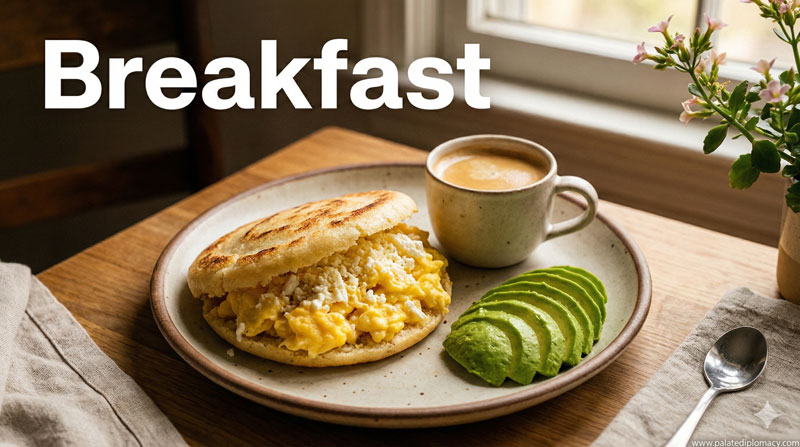
This dish often features a carefully curated selection of traditional ingredients, including fresh arepas, juicy fruits, and local cheeses. Its presentation emphasizes visual appeal, often arranged in an intricate, workshop-like pattern. This thoughtful design celebrates creativity and the joy of sharing a wholesome meal with loved ones.
Culinary Significance and Artistic Presentation
The “Venezuelan Breakfast Workshop Design” is more than just food; it’s a form of culinary art. Its meticulous arrangement of ingredients captures the essence of Venezuelan craftsmanship and attention to detail. Chefs and home cooks alike take pride in creating visually stunning plates that evoke a sense of harmony and celebration.
Culturally, this dish underscores the importance of breakfast as a nourishing and unifying start to the day. Its diverse components symbolize the variety of flavors that Venezuelan cuisine offers, blending sweetness from tropical fruits with savory elements like cheese and meats. This harmony of flavors illustrates the country’s rich agricultural bounty and culinary adaptability.
A Reflection of Venezuelan Hospitality
In Venezuelan culture, serving a beautifully arranged breakfast is a gesture of warmth and hospitality. The “Workshop Design” approach highlights the care and effort put into preparing a meal that is both nourishing and visually appealing. It invites diners to relax, enjoy, and appreciate the artistry behind each plate.
This dish often makes appearances during special mornings or family gatherings, emphasizing its role in fostering connections and celebrating shared moments. It exemplifies the Venezuelan value of making guests feel welcomed and appreciated through heartfelt culinary experiences.
The Role of Tradition and Innovation
While rooted in tradition, the Venezuelan Breakfast Workshop Design also encourages innovation. Chefs often experiment with colors, shapes, and ingredients to create new interpretations of this beloved dish. This blend of tradition and creativity keeps the dish relevant and exciting for new generations.
Through these adaptations, the dish continues to evolve while preserving its core values — respect for ingredients, artistic presentation, and the importance of communal sharing. It stands as a testament to Venezuela’s dynamic culinary landscape.
Conclusion: Celebrating Venezuela’s Culinary Heritage
The Venezuelan Breakfast Workshop Design is a beautiful example of how food can embody culture, artistry, and community. Its vibrant presentation and variety of flavors reflect the rich culinary traditions of Venezuela. More than just a meal, it is a celebration of creativity, hospitality, and the joy of sharing a nourishing start to the day.
By exploring this dish, we gain a deeper appreciation for Venezuelan cuisine and its place in the cultural fabric. It reminds us that food is a powerful way to connect with traditions and celebrate the artistry of everyday life. Whether enjoyed in a bustling morning market or at a family table, this breakfast design continues to inspire and delight, embodying the heart of Venezuelan culinary pride.