
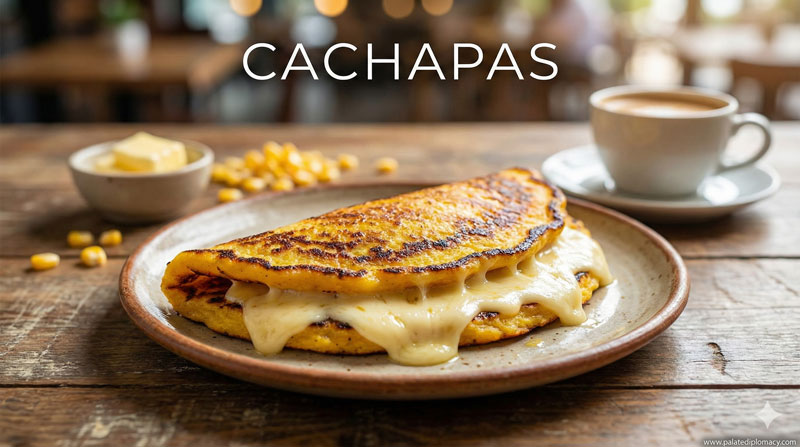
Discovering Venezuelan Cachapas: Fresh Corn vs Canned Corn
Venezuelan cachapas are a beloved staple in the country’s culinary landscape. These sweet, tender corn pancakes showcase the rich flavors of fresh corn, making them a cherished part of everyday life and festive occasions alike. Whether enjoyed as a hearty breakfast or a flavorful snack, cachapas reflect the warmth and vibrant spirit of Venezuelan Food culture.
The Cultural Significance of Cachapas
Cachapas hold a special place in Venezuelan cuisine, embodying the country’s agricultural heritage and love for simple, wholesome ingredients. Traditionally, they are crafted from fresh, ripe corn that captures the natural sweetness and robust flavor of the corn kernels. This dish is often associated with family gatherings and community celebrations, where sharing food strengthens bonds and preserves cultural traditions.
Beyond their delicious taste, cachapas symbolize the connection between Venezuelans and their land. They highlight the importance of local produce and the mastery of turning humble ingredients into delightful dishes. Many Venezuelans view cachapas not just as food, but as a reminder of their rich, agricultural roots and the joy of communal sharing.
Culinary Significance: Fresh Corn vs Canned Corn
When it comes to preparing cachapas, the choice of corn makes a meaningful difference. Traditionally, fresh corn is preferred for its intense sweetness and authentic flavor. The kernels are harvested at peak ripeness, offering a natural, vibrant taste that elevates the dish’s overall appeal. This freshness allows the cachapas to have a tender, moist texture and a subtly sweet profile that many consider unbeatable.
However, for convenience or off-season consumption, canned corn can sometimes be used. While this preserves the ease of preparation and ensures year-round availability, it often results in a slightly different flavor profile. Canned corn tends to have a milder, less distinct sweetness and may introduce a preserved taste that doesn’t fully capture the essence of freshly harvested corn. Nonetheless, it remains a practical alternative for many home cooks wanting to enjoy cachapas without the need for fresh corn.
The Cultural and Culinary Balance
Both fresh and canned corn offer unique advantages that contribute to the versatility of cachapas. Fresh corn represents the traditional, authentic experience deeply rooted in Venezuelan culture. It emphasizes the importance of patience and respect for seasonal produce, allowing cooks to connect with nature’s rhythms.
On the other hand, canned corn provides a pragmatic approach, making cachapas accessible and easy to prepare, especially during off-season months or in urban settings where fresh corn may be less readily available. While it might lack some of the depth of flavor found in fresh corn, it still enables people to enjoy a beloved dish and keep cultural culinary traditions alive.
Celebrating the Dish
Cachapas are often enjoyed topped with cheese, butter, or various fillings, transforming them into a versatile culinary experience. They serve as a delicious example of Venezuelan ingenuity—transforming simple ingredients into a dish full of flavor and cultural meaning. Whether made with fresh or canned corn, cachapas continue to bring people together, celebrate local ingredients, and preserve culinary traditions that span generations.
In conclusion, Venezuelan cachapas represent more than just a tasty dish—they embody a rich cultural heritage and a celebration of the land’s bounty. Embracing both fresh and canned corn options allows for a flexible yet authentic approach, ensuring this beloved dish remains a vibrant part of Venezuelan life and cuisine.
Enjoy the comforting taste of cachapas and appreciate their deep roots in Venezuelan tradition, wherever your culinary journey may take you.