
Celebrating Venezuelan Desserts: An Introduction to Their Cultural and Culinary Significance
Venezuelan desserts are a delightful reflection of the country’s rich culinary heritage. These sweet creations are more than just treats—they are symbols of tradition, craftsmanship, and communal joy. Each dessert tells a story, blending local ingredients with time-honored techniques that have been passed down through generations. Exploring these sweets offers a deep appreciation of Venezuela’s vibrant food culture.
The Cultural Value of Venezuelan Desserts
Venezuelan desserts hold a special place in the hearts of locals. They are often enjoyed during celebrations, family gatherings, and everyday moments alike. These confections forge a sense of community and continuity, connecting people with their cultural roots. Sharing a homemade dessert or savoring a specialty from a local bakery creates bonds and fosters a sense of belonging.
These desserts also serve as a canvas for creativity and regional influence. Different regions in Venezuela bring their own twists and ingredients, making each treat unique. The cultural significance of these sweets extends beyond their taste; they embody local stories, seasonal customs, and the artistry of Venezuelan cooks. They are, in essence, edible expressions of the country’s diverse cultural landscape.
Culinary Significance and Unique Flavors
Venezuelan desserts are renowned for their rich flavors and inventive use of ingredients. Common elements include tropical fruits, nuts, caramel, and traditional staples like rice and corn. These ingredients form the foundation for a variety of textures—creamy, chewy, crumbly—that delight the senses.
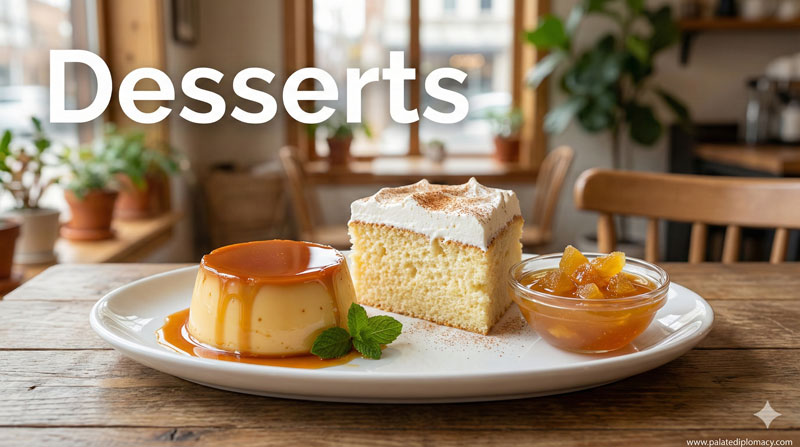
For example, desserts like “Quesillo” (a Venezuelan flan) showcase the country’s mastery of smooth, silky textures combined with sweet caramel notes. Meanwhile, treats like “Chicha” (a sweet corn-based drink) and “Torta de Arequipe” (a caramel-filled cake) highlight the harmony of sweet and savory flavors unique to Venezuelan cuisine.
The culinary significance of these desserts is also rooted in their ability to balance sweetness with local flavors. They often incorporate ingredients that are abundant in Venezuela, making each dessert a celebration of local produce and culinary ingenuity. This connection to regional ingredients enhances the authenticity and depth of Venezuelan sweets.
Preserving a Delicious Heritage
The popularity and continued tradition of Venezuelan desserts underline their importance in preserving culinary heritage. Bakers and home cooks alike take pride in mastering these recipes, ensuring their legacy endures. Modern Adaptations maintain the essence of traditional flavors while introducing new twists, keeping the desserts relevant and exciting.
By savoring Venezuelan desserts, we appreciate a culture that values its culinary roots and embraces the artistry of sweet-making. These treats are not just indulgent; they are a testament to the creativity and richness of Venezuelan Food traditions.
An Invitation to Discover Venezuelan Sweets
In conclusion, Venezuelan desserts offer a window into the country’s vibrant culinary soul. Their cultural value and culinary significance make them more than just desserts—they are a celebration of tradition, community, and local flavors. Whether enjoyed during special occasions or as everyday delights, these sweets invite us all to appreciate the craftsmanship and heart behind Venezuelan cuisine.
Embark on a journey to experience these delightful confections, and discover the sweet treasures that symbolize Venezuela’s rich cultural tapestry.