
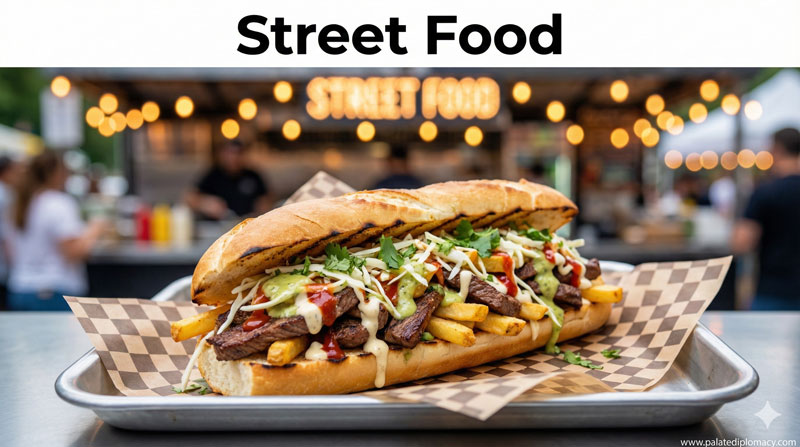
Discovering the Rich Tapestry of Venezuelan Street Food Cooking Techniques
Venezuelan Street Food is a vibrant tapestry woven with flavors, textures, and traditions that reflect the country’s rich culinary heritage. At the heart of this culinary landscape are the unique cooking techniques that bring street food to life, showcasing the country’s local ingredients and culinary artistry. These methods are more than just ways to prepare food; they embody the cultural spirit and communal essence of Venezuela’s bustling streets.
The Cultural Significance of Venezuelan Street Food
Venezuelan street food is a vital part of everyday life, serving as a reflection of the country’s diverse regions and local traditions. Street vendors are often seen as custodians of culinary knowledge, passing down time-honored techniques from generation to generation. These methods are deeply rooted in the country’s history, highlighting a shared sense of identity and community.
The dishes prepared through these techniques are more than sustenance—they are a celebration of local flavors and ingenuity. From savory arepas to flavorful empanadas, each item tells a story of the land and its people. The street food scene is a lively display of Venezuelan hospitality, inviting locals and visitors alike to experience the country’s culinary soul.
Culinary Significance of Traditional Techniques
Venezuelan street food techniques emphasize simplicity, efficiency, and the use of fresh ingredients. Many methods focus on grilling, frying, and steaming, which enhance the natural flavors of the ingredients. For example, the art of grilling corn for arepas or frying dough for empanadas reveals a mastery of heat control and timing that results in mouthwatering textures.
Another important technique is the slow roasting of meats and vegetables, which allows flavors to develop deeply and uniformly. This patience and precision are evident in the vibrant street food offerings, where each dish balances flavor, texture, and presentation. These techniques foster a sense of craftsmanship and culinary pride, showcasing the skill and dedication of street vendors.
The Beauty of Local Ingredients and Techniques
Venezuelan street food is celebrated for its use of local ingredients, such as fresh corn, plantains, and a variety of beans. The cooking methods are designed to highlight these ingredients’ natural qualities. For example, the preparation of arepas involves grinding cornmeal and then cooking it on a griddle, a technique that preserves the grain’s rich flavor and texture.
Similarly, the frying techniques used for empanadas involve creating a crispy exterior while maintaining a tender filling. These methods require understanding the nuances of heat and timing, emphasizing the importance of skill and experience in street cuisine.
Preserving Tradition Through Technique
The techniques used in Venezuelan street food serve as a bridge connecting generations. Despite the fast pace of street life, these methods preserve culinary traditions and promote a sense of continuity. They teach patience and respect for ingredients, ensuring that each dish is crafted with care and authenticity.
In conclusion, Venezuelan street food cooking techniques are a vital part of the country’s rich culinary landscape. They embody cultural values, celebrate local ingredients, and demonstrate the artistry of street vendors. Exploring these methods provides a deeper appreciation of Venezuelan cuisine and its enduring appeal. Whether you are a food enthusiast or simply curious, understanding these techniques invites you into a vibrant world where food is an expression of life, community, and tradition.