
Venezuelan Tequeños Cooking Method Comparison: Celebrating a Culinary Classic
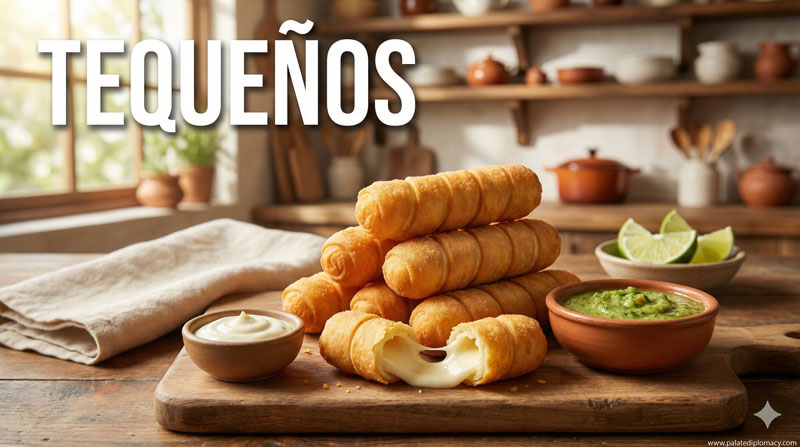
Venezuelan Tequeños are more than just a popular snack; they are a vibrant expression of the country’s rich culinary heritage. These golden, crispy cheese sticks have become a symbol of celebration, sharing, and comfort across Venezuela. As a beloved dish, tequeños showcase the creativity and tradition embedded in Venezuelan cuisine. Exploring different cooking methods reveals the fascinating ways local cooks preserve the dish’s cultural significance and adapt it to various preferences.
The Cultural Significance of Tequeños
In Venezuela, tequeños are often associated with joyful gatherings and festive occasions. They are a staple at birthdays, family reunions, and national celebrations. Their appeal lies not only in their delicious flavor but also in their role as an edible symbol of togetherness and hospitality. The process of making tequeños, from selecting the freshest cheese to preparing the dough, is a cherished tradition passed down through generations.
These cheese sticks embody the Venezuelan love for bold flavors and comforting textures. The crispy exterior paired with gooey cheese inside creates a perfect harmony that resonates deeply with those who enjoy classic, hearty snacks. Their popularity transcends social boundaries, making them a culinary treasure shared across communities.
Culinary Significance and Variations
The preparation of tequeños highlights Venezuela’s culinary ingenuity. While the fundamental ingredients—cheese and dough—remain constant, the cooking methods can vary, each bringing a unique twist to this traditional dish. These variations reflect regional tastes, personal preferences, and historical influences, enriching the dish’s cultural tapestry.
For example, some cooks favor deep-frying tequeños to achieve a perfectly crispy exterior, emphasizing indulgence and texture. Others opt for baking, which offers a lighter, less greasy alternative while maintaining the dish’s authentic flavor. Each method provides a different sensory experience, allowing chefs to tailor the dish to different occasions or dietary needs.
Comparing Cooking Methods: A Gateway to Tradition and Innovation
When exploring the different ways to prepare tequeños, it’s essential to appreciate how each technique celebrates the dish’s versatility. Deep-frying is often regarded as the traditional method, delivering that signature crunch and rich flavor that many associate with authentic Venezuelan tequeños. This method is a celebration of culinary tradition, often used during special events and festivities.
Baking, on the other hand, offers a modern twist that aligns with contemporary health-conscious choices. It still maintains the crunch and flavor but reduces the oil content, offering a slightly different texture and presentation. Grilling or air-frying are newer methods that have gained popularity, blending innovation with tradition to create a versatile snack that can please diverse palates.
Honoring Venezuelan Culinary Heritage
By comparing these cooking methods, we gain deeper insight into the cultural importance of tequeños. Each technique embodies a different aspect of Venezuelan culinary artistry—whether it’s honoring time-tested traditions or embracing innovative approaches. The dish’s adaptability demonstrates its enduring nature and its capacity to evolve while preserving its core identity.
Venezuelan tequeños are more than just a snack; they are a delightful reflection of the country’s warm, welcoming spirit. They connect people through shared taste experiences and serve as a delicious reminder of Venezuela’s rich culinary diversity. Exploring the various cooking methods highlights not only the dish’s versatility but also the creativity and cultural pride embedded in Venezuelan cuisine.
Celebrating a Venezuelan Favorite
As you indulge in tequeños, whether fried, baked, or otherwise prepared, you participate in a vibrant culinary tradition. Each method offers a unique way to experience this iconic dish, emphasizing its significance as a symbol of Venezuelan culture. Celebrating the different ways to prepare tequeños enriches our appreciation for this beloved snack and its place at the heart of Venezuelan festivities.
In conclusion, the comparison of cooking methods for Venezuelan tequeños reveals more than culinary techniques; it unveils a story of tradition, innovation, and cultural identity. These cheese sticks continue to bring joy and connection, embodying the rich, flavorful spirit of Venezuela’s culinary landscape.