
What Makes Ackee and Saltfish So Special in Caribbean Cuisine
Ackee and saltfish is more than a dish. It is a bright, inviting part of Caribbean cooking that brings people together around a shared table. The combination of creamy ackee with lightly salted cod creates a balance that delights the palate and invites conversation. This dish carries a warm, everyday elegance that fits a family breakfast, a relaxed weekend brunch, or a festive gathering. Its beauty lies in how simple ingredients transform when treated with care and patience.
The Heartbeat of a Caribbean Kitchen
Ackee and saltfish stands at the center of many Caribbean kitchens because it speaks to flavor, seasonality, and practicality. Ackee is a delicate fruit that becomes like velvet when cooked. Saltfish, once soaked and rinsed, provides a gentle saltiness that brightens the dish rather than overwhelms it. Together, they offer a comforting yet vibrant profile: creamy, slightly nutty, with aromatic onion, pepper, and thyme lifting the dish. The result is a versatile canvas, ready to pair with dumplings, yams, ripe plantains, or rice. In this way, the dish supports a wide range of textures and textures, from soft to chewy to crisp, depending on how you finish your preparation.
Ingredients with Purpose
One reason for the dish’s lasting appeal is the balance of its core ingredients. Ackee brings richness and a mild sweetness, giving the dish a lush texture that feels indulgent without being heavy. Saltfish supplies a clean, savory backbone that anchors the flavors. When you add onion for sweetness, bell pepper for brightness, and a hint of tomato for color and acidity, the dish becomes layered rather than flat. Thyme and optional hot pepper add aromatic depth, guiding the aroma toward the kitchen and inviting everyone to the table. The result is a bright, homey dish that feels both timeless and fresh.
Texture, Aroma, and Flavor
The texture is a key signature of this dish. Ackee yields a soft, buttery bite that almost melts on the tongue. Saltfish flakes into delicate ribbons that distribute savoriness evenly. The vegetables contribute bite and juiciness, and the cooking method draws out a gentle fragrance: garlic and onion sweetness, pepper’s warmth, and thyme’s countryside scent. This harmony makes the dish memorable. When served warm, the aroma circles the room, signaling a welcome meal. In short, the sensory experience—creamy, savory, aromatic—embodies the beauty of Caribbean home cooking.
Regional Twists and Serving Traditions
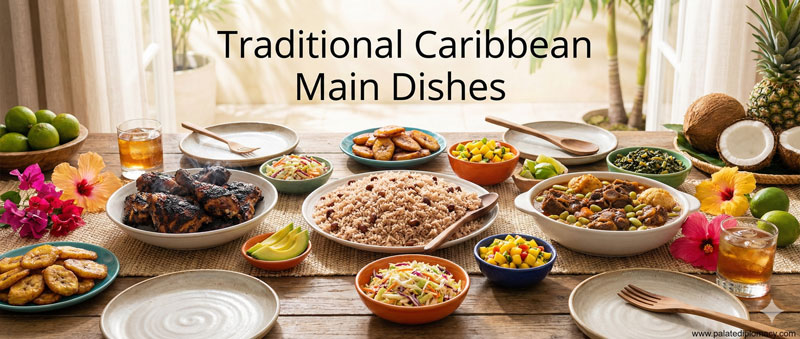
Across the Caribbean, cooks adapt the dish to local tastes while keeping its core essence intact. In many kitchens, it appears as a breakfast staple, especially on Sundays or special family mornings. In others, it accompanies rice, dumplings, or fried bread. Common accompaniments include fried dumplings, ripe plantains, yams, or coconut rice. A side of callaloo or seasoned greens often joins the plate, adding color and a touch of brightness. These variations showcase how the same core pairing—creamy ackee with saltfish—pairs so gracefully with different textures, starches, and greens. The result is a mosaic of meals that feel distinctly Caribbean while sharing a common heart.
A Lesson in Culinary Craft
Preparing ackee and saltfish well is a study in balance. Soaking the saltfish removes excess salt and softens the texture. Thorough rinsing is essential to keep the dish harmonious, not overpowering. Ackee, typically sold canned or fresh in markets, needs gentle handling to maintain its delicate texture. Sautéing the aromatics first builds a flavor foundation. Then, folding the ackee in gently preserves its velvety feel rather than turning it to mash. Finally, a light simmer helps all components mingle without losing their individual character. With patience and care, this dish becomes a showcase of technique and respect for ingredients.
Cultural Value: Family, Food, and Togetherness
This dish stands for more than taste. It is a shared ritual that marks time—weekends, family gatherings, or simply moments of daily comfort. Cooking ackee and saltfish invites conversations, stories, and laughter. It’s a meal that families pass down with small, practical tips: how long to soak the saltfish, the best way to cut the ackee, or which herbs sing best with the base flavors. The act of preparing and sharing it strengthens bonds, creating memories around a plate that glows with hospitality. In this way, the dish serves as a cultural touchstone, connecting generations through food and ritual.
Embracing Modern and Classic Styles
In contemporary kitchens, chefs honor tradition while exploring new riffs. Some cooks introduce a touch of Coconut Milk for a creamier finish, while others experiment with different peppers to adjust heat and brightness. Plantain chips or fried bread can stand in for dumplings, offering a crisp counterpoint to the soft, creamy center. Yet even with these updates, the dish preserves its essential identity: a comforting, flavorful combination that highlights careful preparation and respect for simple ingredients. The enduring appeal is its adaptability and universal warmth.
Practical Tips for Home Cooks
- Choose ackee that looks plump and pale. If using canned ackee, drain gently to protect the delicate texture.
- Soak saltfish thoroughly, then rinse and simmer briefly to reduce saltiness before flaking.
- Sauté aromatics first (onion, garlic, pepper) to build a fragrant base.
- Add tomatoes and herbs like thyme to bring brightness and balance.
- Fold in ackee carefully to avoid breaking the pieces; heat just until warmed through.
- Serve with a starchy accompaniment that suits your mood—rice, dumplings, yams, or plantains all work beautifully.
- Taste and adjust salt and pepper near the end to keep the dish harmonious.
The Dish in the Home and Beyond
Ackee and saltfish shines in homes and in eatery settings alike. It welcomes curious eaters who are new to Caribbean flavors and comforts those who have long cherished it. The dish invites gentle conversation about flavors, textures, and the comfort of familiar meals. It also demonstrates how a few well-chosen ingredients can become something warm and memorable when treated with care. This is the beauty of Caribbean cooking: a few core elements, prepared with attention and kindness, can create a meal that feels both grounded and celebratory.
A Call to Slow, Satisfying Cooking
If you approach this dish with patience, you’ll discover the reward is not just a delicious plate. It is the experience of cooking slowly, savoring aromatics, and sharing something meaningful with others. The simplicity of ackee and saltfish becomes something more when you welcome family and friends to the table. In this spirit, the dish remains a beloved cornerstone of Caribbean cuisine, a testament to thoughtful preparation, shared meals, and the joy of good company.
Final Note: A Timeless Caribbean Classic
Ackee and saltfish embodies the Heart of Caribbean cooking: bright flavors, respectful preparation, and a sense of welcome. It is a dish that invites you to slow down, savor every bite, and appreciate how two modest ingredients can become a memorable experience. As you cook or share this dish, you participate in a culinary tradition that celebrates warmth, texture, aroma, and togetherness. That is the essence of its enduring appeal in Caribbean cuisine.