
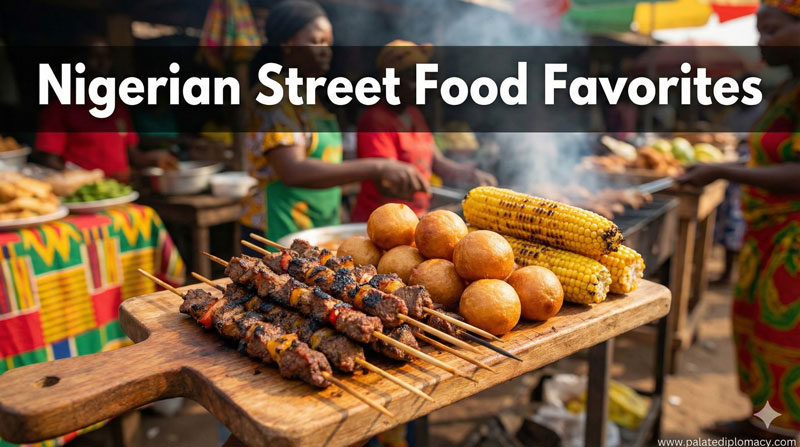
Introduction: What Makes Akara Special in Nigeria
Akara is more than a snack. It is a warm thread in the fabric of Nigerian life. The fritters are golden, fluffy, and inviting. They carry a gentle aroma of beans, onions, and peppers. People share Akara at markets, homes, and gatherings. The dish teaches us about patience, craft, and hospitality. In this post, we celebrate its cultural value and culinary significance. We explore how Akara fits into daily life, family recipes, and seasonal rituals. The story of Akara is a story of care, community, and the beauty of simple ingredients handled with skill.
What Akara Is and Why It Feels Special
Akara is a fritter made from ground beans, typically black-eyed peas in Nigeria. The beans are husked, soaked, and blended with onions and peppers. The batter is thick enough to hold its shape but soft enough to puff. When dropped into hot oil, the beads of batter sizzle and crisp on the outside. Inside, they stay tender and light. This contrast—crisp crust, soft center—gives Akara its signature charm. The dish invites you to take a bite and feel the warmth of a kitchen shared with family and friends. Its simplicity hides a careful touch, a craft passed down through generations. Akara is a feast of texture, aroma, and memory.
Akara in Everyday Life: A Morning and Market Favorite
In many Nigerian mornings, Akara meets the day with friendly welcome. Vendors in busy markets offer warm batches with bright peppers and onions. At home, families make fresh Akara to start the day. It pairs beautifully with a cup of pap (akamu) or with millet or corn porridge. The combination creates a comforting breakfast ritual. Akara also appears in street food scenes and casual visits between neighbors. A plate shared on a doorstep or enjoyed after a quick chat strengthens community bonds. The dish travels well in stories too: the aroma can draw relatives near, sparking a quick, cheerful reunion. That ease of reaching out—through food—illustrates Akara’s social grace.
The Craft: From Soaking Beans to Golden Clouds
The journey of Akara begins with beans. Soaking softens the skins and frees the beans to blend smoothly. The blend often includes onions for sweetness, peppers for heat, and salt for balance. Some cooks add a touch of crayfish for a subtle ocean note, while others keep the mix pure and bright. The batter rests briefly, letting flavors mingle. Then comes the fry. The oil must be hot enough to seal the batter quickly. As the batter sinks, it puffs into small, round forms. The result is a golden crust that holds a soft, almost airy interior. Perfect Akara shows restraint in frying—neither undercooked nor burnt—much Like a well-tuned kitchen routine. The technique is a quiet art, learned by listening to the sizzle and watching the color change.
Regional Voices: How Akara Takes on Local Flavors
Across Nigeria, Akara wears subtle regional accents. Yoruba kitchens often favor a bright, peppery finish with onions woven into the batter. In other areas, cooks might blend in herbs or a hint of spice that echoes local tastes. Some communities prefer a crisper outer layer, while others seek an extra-soft interior. Even the shape can vary, from compact rounds to slightly irregular pockets that reveal the tender inside. These differences are not a departure from tradition; they are a celebration of regional voices contributing to a shared love of Akara. The dish adapts to what is available, what people enjoy, and the moment of serving. This flexibility keeps Akara vibrant and relevant in many homes.
Pairings and Presentations: The Serving Rituals
Akara shines when paired with simple, familiar accompaniments. A warm cup of pap or porridge heightens the comforting mood. A bright pepper sauce can lift the flavor without overpowering it. Some families enjoy Akara with bread, plantains, or fresh fruit for balance. Serving Akara often becomes a small ceremony: placing the hot fritters on a plate, offering sauces or fresh herbs, inviting guests to share and smile. The presentation emphasizes hospitality—the idea that a good meal is a bridge between people. In this light, Akara becomes more than food; it is a moment of connection and welcome.
The Culinary Significance: Craft, Flavor, and Memory
Culinarily, Akara embodies essential cooking skills. It requires a clean batter, steady hands, and precise heat control. The beans supply a gentle nutty flavor. Onions bring sweetness and fragrance. Peppers contribute warmth and brightness. The fry method seals the batter quickly, preserving tenderness inside. That balance matters. It shows respect for ingredients and care for guests. The dish demonstrates why simple components can become deeply satisfying when handled with attention. Akara invites cooks to practice restraint, patience, and timing—the core of respectful, thoughtful cooking.
Akara as a Shared Tradition: Hospitality, Welcome, and Generosity
Hospitality shines in every Akara moment. A family might prepare extra fritters to share with neighbors after a prayer meeting or a quick visit. Friends gather around a plate of Akara to swap stories and laugh together. The act of sharing strengthens ties and creates a sense of belonging. This cultural value—the pleasure of giving and receiving food—makes Akara a symbol of warmth. The fritters are small in size, but they carry a big message: food is a language of care. By inviting others to taste, people affirm respect, generosity, and community spirit.
An Everyday Icon: Maintaining Freshness in Modern Life
In today’s busy world, Akara remains accessible and easy to enjoy. Home cooks can keep a ready batter and fry a small batch when guests arrive. Street vendors keep the market alive with hot, fragrant plates that brighten the day. Modern tweaks keep Akara current—shorter ingredient lists, mindful frying, and thoughtful pairings—without losing its heart. The dish remains a touchstone of comfort and welcome. This balance between tradition and practicality helps Akara flourish across generations and contexts.
Conclusion: Akara’s Timeless Place in Nigerian Food Culture
Akara stands out because it marries simple ingredients with careful technique and generous spirit. It is a dish you can share with a neighbor, a family, or a friend you just met. Its aroma signals hospitality; its texture offers comfort; its taste invites curiosity. In Nigeria, Akara is not merely food. It is a daily reminder of belonging, craft, and joy found in a warm plate and a friendly conversation. By honoring its origins and embracing its regional zest, we keep Akara alive as a cherished part of the country’s rich culinary tapestry.