
What makes Chana Masala so Special in Pakistan
Chana masala in Pakistan is more than a curry. It is comfort, color, and community. This dish sits at the heart of many kitchens and roadside stalls. Its bright aroma lifts a room. Families share bowls, stories, and laughter over a simmering pot. The recipe travels softly from one home to the next, gathering memories with every batch.
The heart of the recipe: flavors and technique
Begin with chickpeas that have soaked overnight. This step ensures tender texture that holds its shape when folded into sauce. In a pan, sauté onions until golden, then add garlic and ginger. Tomatoes join the mix, soft and bright. Sprinkle cumin, coriander, turmeric, and red chili for warmth. A pinch of garam masala at the end lifts the sauce with depth. Simmer slowly until the chickpeas glow with color and the onions dissolve into a silky base. A splash of lemon or amchur adds a gentle tang. Finally, garnish with fresh coriander. The result is a vibrant, comforting stew that feels both rustic and refined.
Regional variations across Pakistan
Punjab tends to favor a robust, full-bodied spice profile. The heat is gentle yet present, with a slightly thick sauce that clings to roti. Sindh offers a tangier touch, often enhanced by leafy herbs and a bright citrus lift. In Khyber Pakhtunkhwa, you may notice a sharper edge from green chilies and a more pronounced smoky aroma. Balochistan cooks may emphasize a deeper, earthy sweetness from roasted spices. Across regions, the core idea remains the same: chickpeas mingling with tomatoes, onions, and spices, creating a pot that invites sharing and conversation.
A dish that travels through family kitchens and street stalls
Chana masala moves easily from home kitchens to bustling street carts. at Home, it becomes a daily ritual—a pot that feeds the family and welcomes guests. At stalls, vendors ladle steaming bowls to praising mouths, and the aroma draws curious passersby. The dish adapts to its surroundings: from a simmering pot on a hearth to a fast hot-tot stove at a busy corner. In every setting, its spirit stays constant: nourishment, warmth, and a moment to pause and enjoy.
Social and cultural significance in everyday life
This dish embodies hospitality. Offering a bowl of chana masala is a generous gesture that invites conversation and connection. It pairs beautifully with roti, chapati, or rice, making it suitable for quick weeknights or festive gatherings. Shared bowls and clinking spoons become small rituals that strengthen bonds. The colors—golden sauce with emerald cilantro and bright onions—mirror the vibrancy of family life and community events. Chana masala is a thread in the fabric of daily tradition, tying together meals, memories, and moments of joy.
Pairings, toppings, and serving ideas
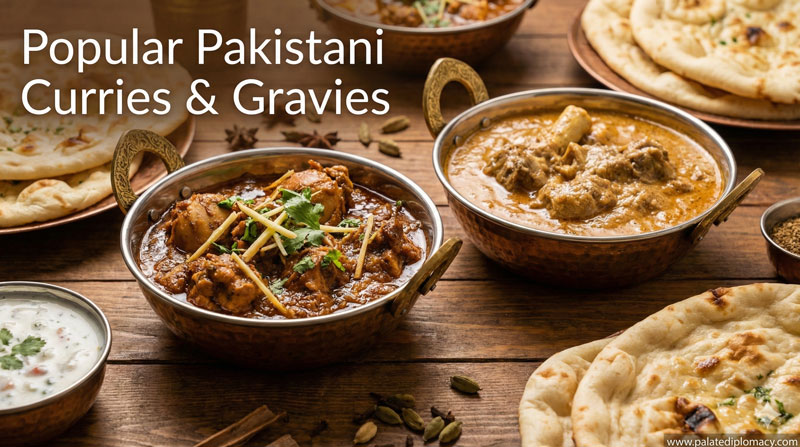
Serve hot with fresh naan, chapati, or basmati rice. Add sliced onions, lemon wedges, and a green chutney for brightness. A sprinkle of chopped cilantro finishing the dish enhances aroma and color. Some Families Enjoy a light dusting of amchur for extra tang. A dollop of yogurt can mellow the spices for those who prefer a creamier texture. These simple companions elevate the experience without overpowering the chickpeas.
Cooking tips for home kitchens
Soak chickpeas overnight to achieve a tender yet toothsome bite. Use a wide pan or pot to give the sauce space to reduce and coat the chickpeas evenly. Cook slowly over moderate heat to develop depth of flavor. Taste as you go and balance acidity with a touch of sugar or amchur if needed. Finish with garam masala and fresh coriander right before serving to preserve brightness. Trust the simmer; patience yields a richer, silkier sauce.
A welcoming invitation to explore
Chana masala is a celebration of everyday ingredients, patient technique, and shared meals. In Pakistan, it speaks softly of home, of friends visiting, and of families gathered around a steaming pot. Discover its warmth by trying this approach at your table: soak, sauté, simmer, and share. The dish rewards care with depth, aroma, and a sense of belonging that lingers long after the last bite.