
What Makes Kitfo Special in Ethiopian Cuisine
Kitfo stands as a memorable centerpiece in Ethiopian dining, celebrated for its balance of aroma, texture, and warmth. The dish invites shared moments, where family and friends gather around a plate and a soft loaf of injera. Its arrival on the table signals care and hospitality, two quiet but powerful values in Ethiopian food culture. The experience blends careful technique with a love for bold, clean flavors. In short, kitfo is more than a meal; it is a way to welcome guests and to honor the craft of cooking.
Core Ingredients and Flavor Partners
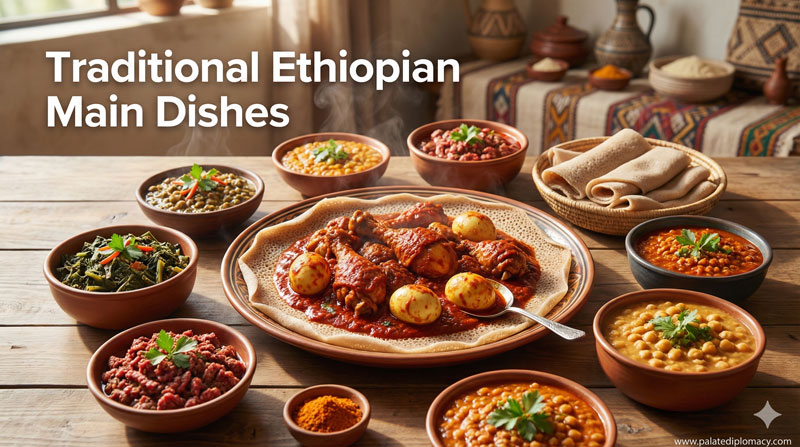
The core is simple: finely minced beef that shines when seasoned well. Chefs whisk in niter kibbeh, a clarified butter enriched with spices, garlic, and sometimes a hint of nutmeg or cardamom. This fat carries aroma and depth, coating each bite. A bright kick comes from mitmita, a chili-based spice blend, which adds warmth without overpowering the beef. The result is a dish that sings with balance: rich, spicy, and clean in its beefy heart. When paired with injera, kitfo feels complete, inviting slow savoring and easy sharing.
The Craft of Preparation
Crafting kitfo starts with choosing quality meat and maintaining the right temperature. The beef is minced or finely chopped, then mixed with warm spices and a careful drizzle of niter kibbeh. Some cooks lightly sauté the meat to bring out aroma, while others serve it very close to raw for a fresher texture. In either case, the texture remains smooth enough to spread on injera. Chefs taste and adjust salt, pepper, and spice level, ensuring each batch reflects careful attention and pride in technique.
Serving Traditions and Pairings
Kitfo almost always appears with injera, the sour flatbread that catches and carries every bite. A side of gomen (collard greens) or ayib (a soft, fresh cheese) complements the dish with creamy contrasts. The plate may also include a small portion of berbere-spiced greens or a tangy yogurt to balance heat. Diners scoop the kitfo onto injera, fold, and savor in a rhythmic, shared manner. The presentation itself feels warm and inviting, reinforcing the sense of community at the table.
A Social and Cultural Moment
Beyond flavor, kitfo carries a sense of gathering. It is a dish that brings people together, where conversations flow as they pass the plate and share bites. The act of serving and receiving a portion becomes a small ceremony, marking friendship and family ties. In many households, kitfo is prepared for special occasions or weekend meals, turning an ordinary dinner into a memorable moment. The dish invites listeners and diners to slow down, breathe in the scent, and appreciate the skill behind each plate.
Regional Variations and Personal Touches
Across regions, cooks tailor the spice level and fat content to taste. Some prefer a lighter touch of mitmita, others lean toward a richer niter kibbeh with deeper spice notes. The choice of meat can vary—from tender beef cuts to goat or lamb in different households—while the core method remains faithful to tradition. Home cooks often add a personal touch, balancing heat with sweetness or acidity to suit the palate. These variations celebrate the diversity within Ethiopian cooking while keeping kitfo’s soul intact.
A Taste Profile that Teaches and Enchants
Texture plays a crucial role: the smooth mince, the melt-in-your-mouth fat, and the gentle heat create a sensory journey. The scent of spiced butter rising from the pan draws you in, while the clean beef finish keeps the plate bright and inviting. The combination of injera, fats, and spices makes each bite comforting yet exciting. This interplay of elements is what makes kitfo endure as a beloved dish in Ethiopian food culture.
In Summary: Why Kitfo Enchants the Table
Kitfo embodies hospitality, craft, and shared delight. It celebrates precise technique—mincing, warming, seasoning—without losing the bright, honest flavor of beef. It pairs perfectly with injera and seasonal sides, turning a meal into a social event filled with warmth. The dish invites participation, conversation, and quiet appreciation for skill and tradition. For those who taste it, kitfo offers both a memory of practice and a forward-looking invitation to enjoy Ethiopian culinary artistry.