
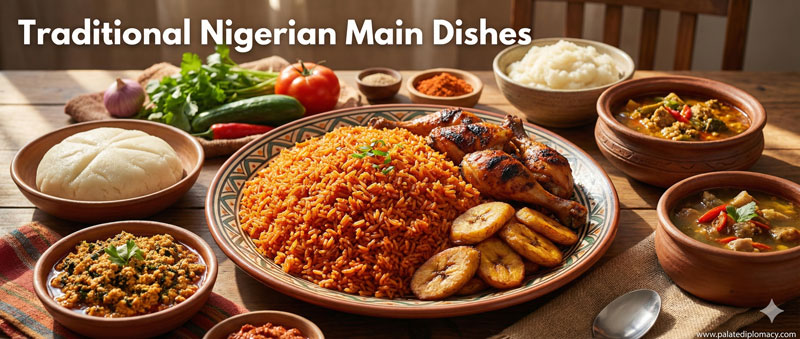
What Makes Fried Rice So Special in Nigeria
Nigeria offers a rich tapestry of flavors, and fried rice holds a bright place in that picture. This dish is more than a meal; it is a thread that ties family and friends together. Simple rice, seasoned vegetables, and a gentle touch of oil come together to create warmth in a bowl. The result feels both familiar and festive, a comfort that travels through kitchens and gatherings. In every bite, you taste history, hospitality, and everyday precision.
Color, Aroma, and Palette
Color comes first in Nigerian fried rice. The grains glow golden from curry powder, turmeric, or palm oil. Green pops arrive from peas, peppers, and carrots. The aroma rises from onions, garlic, and pepper. The scent welcomes you before the first bite. Heat is balanced and inviting, with a touch of chili or fresh pepper for those who like a mild kick. In short, the plate promises cheer before the fork touches it.
The Technique Behind the Grains
The magic lies in technique as much as in ingredients. Begin with parboiled rice to keep grains separate after frying. Sauté onions until soft, then add garlic, peppers, and spices. Toss in the parboiled rice and mix quickly. Keep the pan hot and stir until the grains glisten. Next, fold in carrots, peas, and any meat or seafood you prefer. A light splash of broth or water helps paint the sauce onto the rice, keeping it moist but not soggy. The result is fluffy, individual grains with a glossy finish.
A Dish of Hospitality and Celebration
Sharing fried rice is a gesture of welcome. Hosts prepare large pots for gatherings, from birthdays to church events. The dish travels from the kitchen to the table in generous portions. Guests scoop and mix, passing bowls with smiles. Conversations rise as the aroma fills the room. This is where food becomes a social ritual, turning a simple plate into a memorable moment.
Regional Voices and Personal Touches
Most cooks bring their own twist. Some use curry powder or thyme for color and depth; others rely on tomato to deepen the red hue. Proteins such as chicken, shrimp, or eggs add richness. Vegetables like carrots, peas, green beans, and corn brighten the plate. The dish is adaptable to the season and the pantry, so every kitchen adds its own personal signature. In this way, fried rice becomes a canvas for family taste and daily creativity.
Moments at the Table: Pairings and Serving
Pair fried rice with fried plantains, grilled chicken, or a light pepper sauce. A cool salad or fresh tomato slices can balance the warmth of the rice. A simple tomato stew on the side completes the meal for many families. These combinations create harmony on the plate and ease on the palate, inviting more guests to share in the meal.
Preserving Tradition Through Everyday Cooking
Fried rice is both everyday staple and festive centerpiece. It scales up for large family gatherings and scales down for quiet dinners. Its flexibility invites home cooks to Make it their own, while still preserving a shared sense of Nigerian hospitality. The dish travels well from kitchen to table, carrying memories of laughter, teamwork, and care.
Final Thoughts
Fried rice in Nigeria is more than a dish. It is a gateway to color, aroma, and warmth. It shows how simple ingredients become something special when shared with others. In this light, fried rice reveals the beauty of Nigerian Food Culture: welcoming, adaptable, and endlessly inviting.