
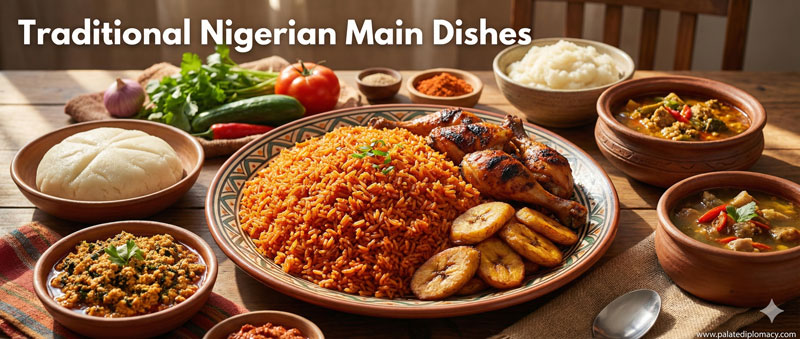
A Cheerful Introduction to Nigerian Fried Rice
Nigerian fried rice is more than a meal—it is a celebration of color, aroma, and shared moments. In homes, markets, and kitchens across the country, this dish invites people to gather, smile, and savor. It speaks to The Heart of Nigerian Food Culture: a simple grain transformed by heat, a handful of vegetables, and the care of a cook who knows how to balance flavor and friendship. First, you notice the bright hue, then you feel the inviting scent, and finally you taste the harmony of ingredients. That harmony is what makes fried rice so special in Nigeria.
The Color, Aroma, and Texture That Define It
The appearance of Nigerian fried rice is its first language. The rice glows with a warm amber from palm oil or a golden oil blend, speckled with peas, carrots, and green beans. Aromas rise with onions, peppers, and a whisper of spices, signaling a dish that has been thoughtfully prepared. The texture follows the taste: fluffy grains with just the right chew, bright vegetables for crunch, and tender protein pieces that mingle with the rice rather than overwhelm it. This balance—color, scent, texture—gives fried rice its signature presence on the table.
The Core Ingredients and Their Story
Nigerian fried rice centers on long-grain rice, often parboiled to keep the grains separate. It is coaxed with onions, garlic, and peppers for depth. Carrots, peas, and sometimes green beans add color and sweetness, while proteins such as chicken, shrimp, or fish bring substance and a festive note. Spices like curry powder and thyme lend warmth and aroma; a touch of pepper can wake the palate without overpowering the dish. Oil—traditionally palm oil in many households, with alternatives available in others—helps create the glossy finish and rich mouthfeel. Each ingredient carries a story of home cooking, market freshness, and the desire to share a meal that feels special yet welcoming.
The Cooking Craft: How Technique Shapes Taste
Technique matters as much as ingredients. First, rice is prepared so the grains stay separate, a skill that prevents a sticky, clumpy result. Next, aromatics are sautéed to lift flavor before the rice meets the pan. Then, everything is stirred over steady heat, allowing the colors to mingle and the flavors to fuse without losing their individual identities. Finally, the dish rests briefly, letting the grains settle and the aromas settle into each bite. This method creates a fried rice that tastes bright, balanced, and satisfying—perfect for big plates and easy sharing.
A Dish for Gatherings: Celebrations and Everyday Moments
Fried rice in Nigeria thrives in social settings. It is a dish that marks special occasions—birthdays, weddings, religious feasts, and family reunions—yet it remains just as comfortable on a weekday dinner table. Serving fried rice signals hospitality and care; the host’s effort is visible in the colorful presentation and the inviting aroma. And because it pairs with a range of proteins and sides, it adapts to many menus, from street-food stalls to home dining rooms. In this way, fried rice becomes a trusty centerpiece that supports warmth, conversation, and togetherness.
Regional Voices: Variations Across Nigeria
Across different regions, the same dish reveals gentle regional refinements. In some homes, palm oil’s red-gold glow dominates, giving a richer color and a nutty sweetness. In others, a lighter oil and subtle seasoning create a milder finish. You might find added vegetables like green peas, sweet peppers, or green beans reflecting what’s fresh in the market. Proteins vary as well—roasted chicken, fried fish, or shrimp—each choice lending a distinct character to the dish. These variations honor local tastes while keeping the core idea intact: a vibrant, shareable fried rice that celebrates Nigerian flavors.
Serving It Well: Accompaniments and Presentation
A well-plated plate of Nigerian fried rice invites the eye as much as the palate. A few lime wedges or fresh herbs can brighten the plate, while a side of fried plantains (dodo) or a simple tomato-pepper sauce adds color and contrast. Presenting the dish in a large, inviting bowl or on a shared platter emphasizes community and generosity. The serving style—family-style or plated—shapes the dining experience, reinforcing the feeling that this fried rice is made to be enjoyed together.
Preserving a Living Tradition
Nigerian fried rice remains vibrant because it travels from market to kitchen to table with ease. It welcomes creativity while preserving a sense of continuity: the steps, the colors, and the shared sense of nourishment. This dish rewards curiosity—trying a new protein, adjusting the spice level, or experimenting with regional touches—without losing its core identity. The result is a timeless, welcoming fare that echoes across meals, gatherings, and celebrations.
If you’re seeking a dish that embodies hospitality, color, and thoughtful cooking, Nigerian fried rice offers a perfect reminder: great food is a bridge between people, a celebration of flavors, and a daily joy to share.