
What Makes Fried Rice Special in Nigeria
Fried rice in Nigeria stands out for its warmth, color, and welcoming aroma. It is a dish that many households reach for with a smile. It blends simple staples into something celebratory. The name itself invites sharing and conversation. Nigerian fried rice is not just food; it is a bridge between everyday meals and festive gatherings. Its charm rests in balance: bright vegetables, fragrant spices, and grains that refuse to surrender to mush. In short, it feels Like a hug on a plate.
A Dish That Feeds Community
Hospitality breathes through Nigerian fried rice. Families prepare it for birthdays, church gatherings, and neighborhood celebrations. The process often involves several hands, from washing the rice to chopping vegetables. The result travels from kitchen to table with a sense of togetherness. The dish creates moments for chatting, laughing, and savoring. It is a shared experience as much as a savory one. That communal spirit is What Makes fried rice so deeply with us, not merely something to eat.
The Core of Nigerian Fried Rice
The heart of the dish lies in its ingredients and technique. Long-grain parboiled rice holds up well to frying. A tomato-pepper base provides color and brightness. Onions, garlic, and a careful touch of oil set the foundation. Carrots, peas, and sometimes green beans add crunch and sweetness. Proteins like chicken or shrimp frequently join the mix, but the star remains the rice and its flavors. Spices such as curry powder and thyme, along with a seasoning cube or salt, bring depth without overpowering the dish. The result is a versatile canvas that respects tradition while inviting personal twists.
Crafting Texture: The Science Behind the Sizzle
Texture matters in Nigerian fried rice. The best results come when grains stay separate and flavorful. Rinse and parboil the rice, then spread it out to dry before frying. In a hot pan, onions and peppers release fragrance, followed by the tomato base. Add the rice and stir briskly to coat each grain. Use medium-high heat and avoid clumping. A light drizzle of stock or water helps the mix steam gently without turning mushy. The key is patience and a steady hand, guiding moisture and heat.
Flavor Palette: Color, Aroma, and Balance
Color signals flavor in fried rice. Red from tomato and pepper contrasts with yellow from curry powder or turmeric. The aroma of sautéed onions and spices draws people to the table. Balance is essential: you want savory depth from seasoning and a bright finish from vegetables. A touch of citrus or herbs at the end can lift the dish, making every bite feel fresh. This interplay of color, scent, and taste creates a memorable eating experience.
Regional Twists and Personal Touches
Across Nigeria, cooks adapt fried rice to local tastes. Some fold in tuna, chicken, or prawns for protein variety. Others favor extra peas, carrots, and corn for sweetness and crunch. A few households add a hint of bell pepper for extra color. In many kitchens, a generous splash of seasoning and a careful simmering time create a dish that still honors tradition while reflecting personal preference. The result is a family-friendly dish that feels both familiar and delightfully new.
Serving and Celebration: How Fried Rice Joins the Table
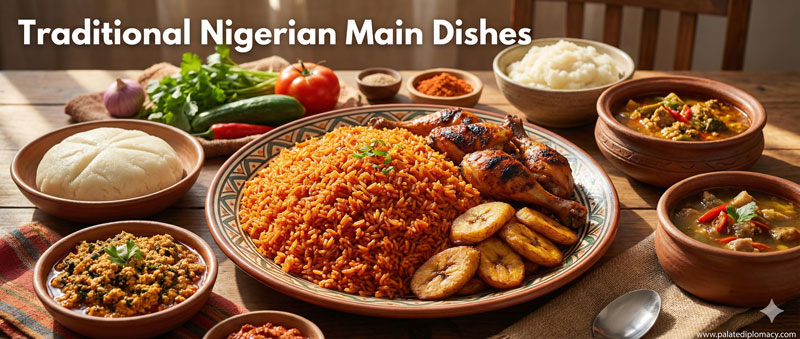
Fried rice finds its place on many tables. It pairs with fried plantains, grilled chicken, or peppered sauce. A fresh salad or cucumber slices can add cool contrast. Garnishes like chopped herbs or sliced peppers brighten the presentation. The way it arrives on a platter often signals a shared moment, a reason to gather and enjoy. In this way, the dish completes the circle of hospitality and good company.
A Timeless Favorite in Nigerian Kitchens
Nigerian fried rice endures because it speaks to taste and togetherness. It is approachable yet capable of elegance, everyday yet suited for celebrations. Its beauty lies in how a simple recipe becomes a vessel for memories, family, and friendship. For locals and visitors alike, the dish offers a welcoming invitation: come, sit, and enjoy the warmth of a well-made fried rice.
If you’re new to the dish, start with a reliable parboiled rice, build a bright tomato base, and adjust the heat to keep grains distinct. From there, let your kitchen yield a fragrant, colorful dish that celebrates Nigerian culinary spirit.