
Introduction
Okra soup, or okro soup as many Nigerians call it, is more than a meal. It is a bright, comforting presence in the home and on the table. The dish invites friends and family to gather, share stories, and savor a comforting blend of textures and aromas. Its beauty lies in how simple ingredients come together with skill and care. This is a dish that speaks softly about tradition, craft, and the joy of cooking for others.
Core ingredients and cultural meaning
The heart of okra soup rests on fresh okra pods, palm oil, onions, and peppers. The okra contributes a silky body that helps the sauce stay smooth as it simmers. Palm oil adds a warm color and a gentle, nutty note. Tomatoes or peppers bring brightness, while fish, meat, crayfish, or stockfish add depth. Seasoning and a few aromatic leaves, such as scent leaf, complete the profile. In every kitchen, these ingredients tell a story of season, market days, and careful shopping. The result is a pot that feels both humble and special.
The cooking process as a cultural practice
Cooking okra soup is a rhythmic, sunlit ritual. First, cooks prepare a pot with oil and onions. Next, they build aroma with peppers and tomatoes, then fold in the okra to release its natural mucilage. The simmering moment is quiet, patient, and attentive. Stirring happens with a wooden spoon, guiding the sauce to a glossy, steady consistency. When meat or fish joins the pot, families welcome a familiar scent that signals a shared meal is near. This process turns the kitchen into a space of care, memory, and everyday artistry.
Regional variations and daily life
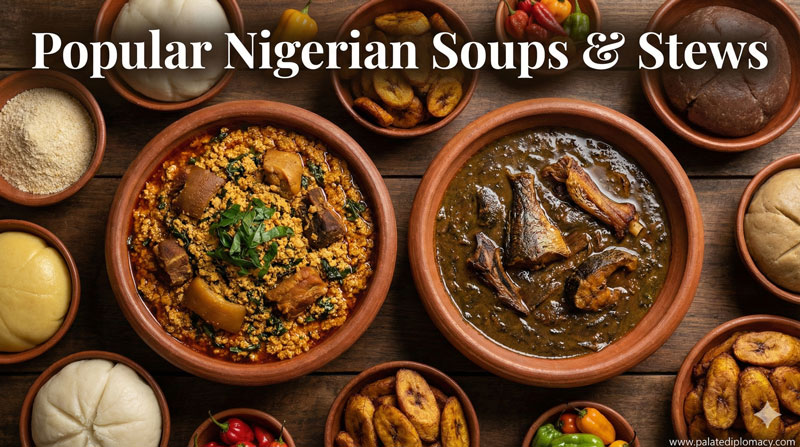
Across Nigeria, cooks adapt okra soup to local tastes and ingredients. Some versions favor lean fish or hearty meat; others lean toward lighter stocks. Crayfish and dried fish often add a savory kick, while fresh herbs lend a fragrant lift. The soup changes with the season, and so do its companions. Rice, yam, or millet-based swallow foods like pounded yam or fufu tap into the sauce’s richness. Markets, neighbors, and family kitchens all contribute to the evolving tapestry of okra soup, making every preparation a reflection of place and daily life.
Serving traditions and harmony on the table
Okra soup shines best when served with a starchy partner. Pounded yam, fufu, or garri create a satisfying balance with the thick, glossy sauce. In many homes, the ritual of sharing bowls reinforces togetherness. Guests are invited to savor a little more, to Taste the heat of pepper, and to enjoy the comforting smoothness of the okra. The dish holds a place of honor at many meals, from casual family lunches to special weekend gatherings, where the act of serving becomes as meaningful as the tasting.
Comfort, celebration, and everyday joy
What Makes okra soup special is its ability to be both everyday comfort and a dish of celebration. It welcomes a busy week and also graces a weekend visit from a friend. The color, aroma, and texture invite slow, mindful tasting. Each spoonful carries the care of the cook and the warmth of the table. In this way, okra soup connects people to flavor, to home, and to one another.
Conclusion
Okra soup is a treasure of Nigerian food culture. Its value lies in the simple act of turning ordinary ingredients into something deeply satisfying. It celebrates skill, family, and shared meals. By embracing its textures, colors, and regional tweaks, we see how this dish embodies hospitality, memory, and the beauty of cooking for those we love.