
What Makes Okra Soup So Special in Nigeria
Okra soup, known in Nigerian kitchens as okro soup, stands as a bright thread in the fabric of everyday meals and festive tables. It is more than a dish; it is a greeting, a gesture of care, and a shared moment. Cooks across many communities prepare it with care, inviting family and friends to gather around the pot. The ingredients speak of season and skill: fresh okra, palm oil, hearty meat or fish, and small ocean-like accents from crayfish. The result is a bowl that glows with color and a texture that feels comforting. In Nigeria, okra soup shows how simple ingredients become something elegant and welcoming when prepared with intention.
The Texture and Flavor That Define Okra Soup
Okra adds a silky body that wraps each bite. The gentle slime is not a flaw but a sign of depth. When simmered with palm oil, tomatoes, and pepper, the flavor becomes bright and hearty. Crayfish or dried fish adds a hit of sea-scent and a subtle savor. Meat or stock contributes richness. The cooking pace matters: a steady simmer preserves tenderness and keeps the texture lively. The result is a soup that clings to the spoon and shines on the tongue, inviting another scoop. This texture, paired with warmth from oil and spice, makes each bowl feel Like a comforting conversation.
Regional Varieties and Techniques
Across Nigeria, cooks shape the dish with local greens and proteins. In many homes, a leaf like ugwu (pumpkin leaf) or spinach is folded in for extra color and nutrition. In others, the dish shines with beef, assorted meats, or fish. Palm oil provides the warm, red-gold hue, while pepper offers a lively kick. The seasoning can be simple or layered with stock, crayfish, and a pinch of salt. These small differences reflect place and preference, and they show how a common dish becomes a gallery of regional taste. In every kitchen, the method honors the ingredients and the cook’s steady hand.
A Dish for Sharing: Hospitality and Family Life
Sharing okra soup is an act of welcome. Families prepare a pot when guests arrive, when a neighbor visits, or on weekend gatherings. The aroma travels through the room, inviting conversation and laughter. Children learn to stir, taste, and respect the ingredients. The bowl becomes a symbol of togetherness, where stories are told and generations connect one spoonful at a time. Moreover, the act of serving creates a ritual of care, where everyone feels seen and valued as part of the meal.
Seasonal Rhythm and Market Moments
Okra responds to the rhythms of harvest. In season, farmers bring bright pods to the market, and cooks plan batches to fit family menus. The dish adapts to what is fresh: a change of greens, a different fish, a variation in spice. This flexibility keeps Nigerian cuisine lively and practical, showing how a culture can thrive on the abundance of a single ingredient. The market feel—voices, color, and the clatter of bowls—adds to the meal’s sense of place and time.
Serving Traditions and Food Pairings
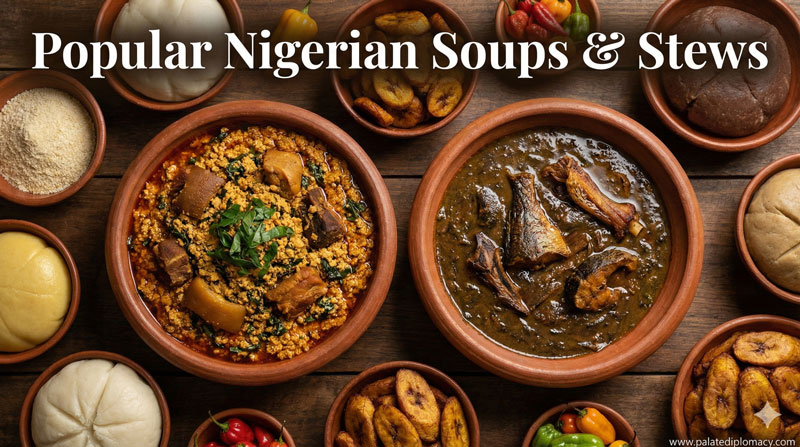
Okra soup is commonly paired with fufu, pounded yam, or garri. The soft, starchy sides scoop up the savory broth and deliver the mixture to the mouth. Loved companions vary by family—from garri to amala to semo—each adding its own texture and feeling. This pairing honors the idea that a meal is a shared ritual of nourishment and pleasure. When the pot is passed around, the act of serving becomes part of the story, linking cooks, guests, and the meal’s future leftovers.
The Cooking Craft: Techniques and Care
Crafting great okra soup begins with selecting fresh pods and respectful preparation. Rinse and chop the okra into small rounds, then simmer slowly to release flavor without losing color. Add stock or water, then fold in palm oil, tomatoes, and seasonings. Stir gently to maintain balance and prevent over-thickening. The magic lies in timing and patience, keeping the ingredients harmonious while letting the aroma invite people to the table. With care, a simple pot becomes a shared memory.
Conclusion: A Dish That Connects People
Okra soup in Nigeria stands as a living tradition, balancing comfort, craft, and community. Its beauty lies in how it adapts to family routines and how it welcomes guests with warmth. By honoring simple ingredients and thoughtful technique, cooks keep this beloved soup vibrant for new generations to enjoy. In every pot, there is a gentle celebration of home, harvest, and the joyful act of breaking bread together.