
Introduction
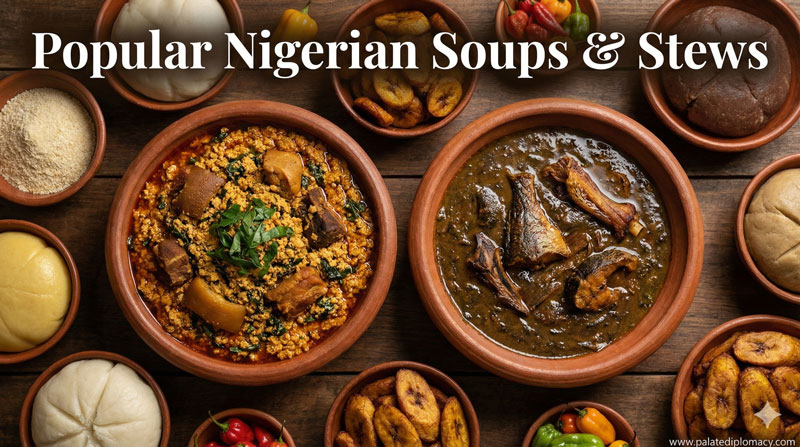
Okra soup, or okro soup as many Nigerians call it, is more than a meal. It is a warm invitation to gather, share, and celebrate everyday life. In Nigeria, the dish carries a gentle memory of mothers, grandmothers, and friends guiding the pot with care. Its value rests in how it brings people to the table and how its flavors tell a story of land, season, and hospitality. This post explores the cultural value and culinary significance of okra soup, honoring its place in Nigerian Food Culture.
The Flavor Story: Aromas and Ingredients
Flavor is a bridge between the kitchen and the home. Fresh okra seeds the dish with a bright, ripe note, while palm oil lends a reddish-gold glow and a full aroma. Additions vary, but common ingredients include tender meat or fish, stock, onions, peppers, and a touch of dried shrimp or crayfish for depth. Each household adds its own fingerprints—goat meat one day, fish another, a splash of spice with crayfish, or a splash of seasoning that brightens the pot. The result is a soup that feels both comforting and vibrant. The aroma travels through the street and into the yard, inviting guests to sit and taste.
The Texture and Technique
Okra brings a unique texture, often described as smooth and slightly slippery. When cooked right, the soup becomes thick and glossy, yet the pieces of meat and fish stay tender. The key technique is balance: add okra toward the end to preserve color and freshness, then simmer gently so flavors mingle without losing brightness. Stirring matters: slow, steady motions help the ingredients release their character without breaking apart. The result is a soup with body and shine, a texture that supports the speed of a bustling table and the patience of a slow, careful cook.
The Table: Pairings and Eating Etiquette
This dish shines at the table because it meets two beloved Nigerian staples: a hearty soup and a starchy accompaniment. Okra soup is most often shared with fufu varieties—pounded yam, garri, or amala—each bite lifting the soup with a soft, comforting bite. Diners scoop a portion of the hot soup and pull in a mouthful of the starchy base. The act of dipping and squeezing the starch into the soup becomes a ritual of bonding, conversation, and laughter. Serving is generous, and hospitality is felt in the pace of the meal: no rush, plenty of time to enjoy the warmth of the pot and the company around it.
Family, Friends, and Shared Moments
Okra soup is less a recipe and more a practice of care. Families pass down tips and secrets across generations. Elders teach younger cooks How to choose fresh okra, how to adjust the heat, and how to test for the right thickness. Neighbors share a cup of palm oil to keep a pot going on a busy day. In homes and community kitchens, the dish serves as a quiet witness to daily life: birthdays, birthdays-to-come, and simple Sundays. Each serving is a gesture of welcome, a small ritual that reinforces connection and mutual respect. The dish grows with the people who cook it and the people who taste it.
Regional Variations: A Dish Across Cultures
Nigeria is rich with regional flavors, and okra soup adapts to local tastes while keeping its core spirit. In some regions, generous meat and robust pepper create a heartier version; in others, lighter fish and a gentler touch preserve a more delicate balance. Some cooks add dried fish for a briny note; others favor fresh vegetables or a hint of spice that lingers. Across states and communities, the dish remains a common language of nourishment. Its variations honor local harvests and family traditions, yet the central idea stays the same: a pot of warmth, prepared with care, shared with company.
Cooking as a Cultural Practice
Cooking okra soup is a shared craft that connects people to their food and to each other. The process embodies patience, generosity, and attention. From selecting fresh ingredients to adjusting seasoning for a crowd, the practice teaches care and hospitality. The dish invites all ages to participate, turning a kitchen into a small classroom where tradition and curiosity meet. In this way, the soup becomes a living tradition, not just sustenance. It reflects how a community nourishes itself with respect and joy.
The Significance in Nigerian Food Culture
Okra soup embodies several pillars of Nigerian food culture. It respects seasonal abundance by using fresh okra and local proteins. It honors hospitality, as sharing a pot signals welcome and care for guests. It supports communal life, often appearing at family gatherings, festive meals, and everyday lunches alike. The dish also highlights adaptability and warmth: it accommodates different tastes, budgets, and occasions while always keeping a sense of comfort and belonging. In this way, okra soup stands as a gentle ambassador of Nigerian culinary identity—both familiar and inviting.
Conclusion: A Dish That Nurtures Tradition
Okra soup holds a special place in Nigerian kitchens for its ability to blend nourishment with affection. It is a dish shaped by land, season, and community. Its textures, aromas, and diverse pairings invite smiles and conversation. More than a recipe, it is a ritual of hospitality, a way to honor family and friends, and a daily celebration of food culture. When the pot bubbles and the family gathers, the story of Nigerian okra soup is being told again—one warm spoonful at a time.