
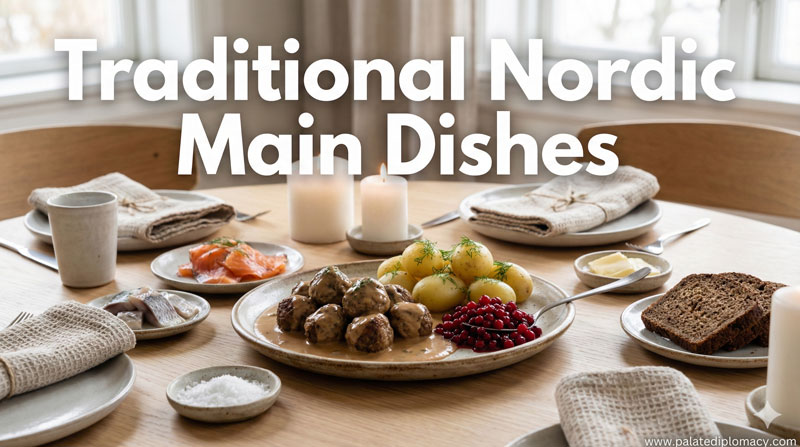
What Makes Reindeer Stew So Special in Nordic Cooking invites readers into a warm kitchen where taste meets tradition. This dish sits at the Heart of Nordic cooking, shaped by land, season, and careful craft. Reindeer meat provides a lean, distinct flavor, while root vegetables, berries, and herbs create a balanced, comforting sauce. The dish welcomes both quiet family meals and convivial gatherings, revealing the beauty of simple, well-executed food.
The Dish in Nordic Kitchens
Across Finland, Sweden, Norway, and parts of Iceland, reindeer stew appears in many homes and small eateries. It carries a sense of place, reflecting the region’s landscape and climate. The meat’s character—mellow, slightly gamey, and tender—emerges through low, patient simmering. Local ingredients shape each version: potatoes or turnips, carrots and mushrooms, and sometimes lingonberries or cloudberries. The result is a dish that feels at once rustic and refined, a testament to versatile, homegrown flavors.
Ingredients and Technique
A typical core includes reindeer meat, onions, carrots, potatoes, and mushrooms. Aromatics like juniper berries, bay leaves, and black pepper lift the sauce, while stock or broth provides depth. Some cooks finish with a touch of cream or a spoonful of berry jam for a gentle sweetness that echoes the landscape’s berries. The technique favors balance: sear the meat to develop color, soften vegetables to release sweetness, then simmer slowly to merge flavors. The final stew offers a glossy sauce that clings to tender meat and bright vegetables alike.
Cultural Value and Practice
Reindeer stew embodies a respectful approach to food. It honors the animal, the season, and the cooks who shape the pot with care. The dish is a reminder of practical wisdom: use what the land provides, reduce waste, and savor nourishment. It is communal by design, often shared at mealtimes that invite conversation and gratitude. In this way, the stew serves as a quiet ambassador for Nordic culinary values: balance, simplicity, and attention to place.
Seasonal Rhythm and Community
Winter months bring longer nights and a slower rhythm, ideal for this slow-cooked dish. The pot becomes a centerpiece that warms the home and invites connection. Families pass the recipe down with small tweaks and stories, keeping a living thread between generations. The act of cooking and sharing reindeer stew reinforces community, patience, and a sense of belonging to a seasonal cycle.
Serving and Presentations
Traditionally, the stew accompanies mashed potatoes or crusty rye bread. A spoonful of lingonberry jam adds bright contrast, while a dollop of cream or sour cream softens the finish. The presentation emphasizes warmth, color, and restraint. In Nordic cooking, reindeer stew is celebrated not just for sustenance but for its gentle elegance—an edible expression of landscape, craft, and hospitality.