
What Makes Ofada Rice So Special in Nigeria
Ofada rice is more than a dish; it is a window into Nigerian dining rooms, a celebration of flavor, craft, and community. In Nigeria, especially in the southwestern heartland, Ofada rice has earned a revered place on tables, at gatherings, and in everyday meals. Its fragrance, its texture, and the vivid colors on the plate tell a story of shared meals and skilled home cooking. This article explores the cultural value and culinary significance that make Ofada rice A Beloved staple.
A fragrant symbol of home cooking
First, Ofada rice carries a distinct aroma that greets you before the plate appears. The fragrance comes from the unpolished grains and the rich oils released during cooking. Next, this scent is not simply about hunger; it signals care and tradition. Home cooks take pride in choosing good grain, washing it gently, and cooking it to a perfect balance of softness and firmness. The aroma invites conversation, welcomes guests, and signals that a meal is prepared with attention. In many households, that welcoming scent becomes a signature moment of the day.
A colorful plate that reflects regional pride
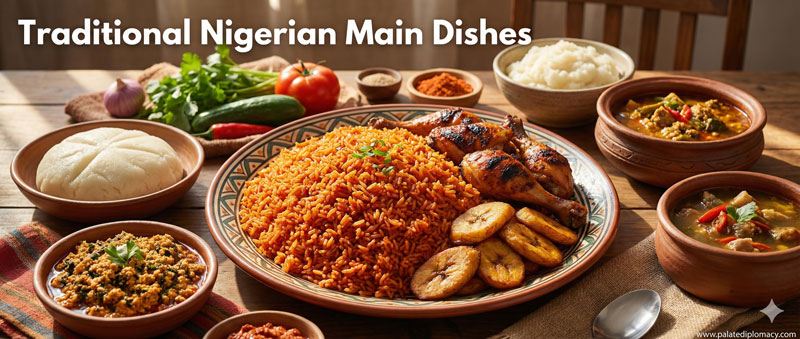
Moreover, Ofada rice is often served with a lively pepper sauce that provides a striking contrast: deep orange palm oil, bright green peppers, and the dark, glossy grains of rice. This combination does more than please the eye; it reflects a regional palate that favors bold, fresh flavors. The colorful presentation on the plate makes the meal feel festive, even in everyday settings. Such presentation reinforces the idea that food is a shared art, practiced and enjoyed together.
The sauce that defines the dish
The Ofada sauce, frequently called ayamase in some circles, is a cornerstone of the dish’s character. It blends peppers, onions, locust beans (iru), and palm oil to create a sauce with heat, depth, and a nuanced sweetness. The sauce binds the grains and adds a bright, savory punch that many families associate with special meals. This sauce is not merely a topping; it is a cultural signature that enhances memory, family stories, and regional flavors passed down through generations. The way the sauce is prepared—how long it simmers, how the ingredients are layered, the balance of heat and aroma—speaks to careful technique learned and refined at home or in local kitchens.
The grain: unpolished rice as cultural treasure
In Ofada cooking, the grain itself matters. The rice is commonly unpolished or only lightly processed, allowing a natural bran coating to remain. This texture provides a nutty bite and a richer flavor that many Nigerians prize. The grain’s appearance—streaks of brown mixed with pale gold—also emphasizes a connection to farming and local harvests. Choosing unpolished rice is a quiet statement about valuing natural flavors and traditional processing methods. It echoes a cultural preference for products that retain character and story.
Craft and care in preparation
The preparation of Ofada rice showcases practical skill passed from one cook to another. First, rice is rinsed to remove debris and then cooked with careful attention to water, temperature, and timing. Next, the sauce comes together with deliberate steps: vegetables are roasted or sautéed, spices are balanced, and palm oil is added in measured amounts to preserve aroma without overpowering other notes. The result is a dish where each component retains its identity while harmonizing with the others. This balance reflects a broader cultural practice: to honor each ingredient while creating a cohesive, memorable meal.
A dish for gatherings and everyday joy
Ofada rice earns its place in both daily meals and social occasions. It features prominently at family gatherings, festive lunches, and market day outings. In many communities, the dish becomes a common ground where people share stories, laughter, and the rhythm of life. The act of serving Ofada rice to guests is itself a gesture of hospitality. The meal fosters connection, encouraging conversations about family, work, and neighborhood life. This social dimension is a key part of its cultural value.
A symbol of kitchen diversity and regional flair
Nigeria’s kitchens are diverse, and Ofada rice mirrors that variety. Across neighborhoods, cooks bring different twists to the same dish: varying heat levels, degrees of oiliness, and local additions such as fish, vegetables, or plantains. These variations celebrate regional tastes while preserving a shared identity around the dish. The result is a culinary tapestry that honors both tradition and personal preference. In this sense, Ofada rice becomes a living page of Nigerian Food Culture, inviting experimentation and respect for familiar flavors alike.
Everyday pairings that elevate the experience
Pairing Ofada rice with complementary sides enhances the meal and deepens cultural appreciation. Fried plantains, boiled yams, or simple salads provide balance to the richness of palm oil and the pepper sauce. Fish or meat prepared in traditional styles adds protein and depth, while fresh herbs and vegetables brighten the plate. Each pairing tells a story about how families build meals—from the grocery or market stalls to the stovetop and finally to the dining table. The careful selection of accompaniments demonstrates the thoughtful approach many cooks bring to their daily rituals.
Encouraging home cooks: tips to honor the dish
For home chefs, Ofada rice invites practical, welcoming steps. Start with good rice grains and clean water. Cook until grains are just tender, then rest briefly to allow moisture to distribute. Prepare the Ofada sauce with patience: blend peppers for color, simmer to develop aroma, and fold in iru and palm oil to achieve depth. Finally, plate with care, letting the color and texture speak for themselves. Embracing these steps helps home cooks connect with tradition while enjoying a modern kitchen routine. The result is a plate that feels both comforting and celebratory.
Preserving local farming and craftsmanship
The beauty of Ofada rice also rests in its ties to local farming and small-scale processing. Farmers who grow traditional varieties contribute to the dish’s distinct flavor profile and aroma. Local mills and families who prepare the rice preserve a craft that has traveled through time, adapted to markets, and remained relevant in contemporary life. Supporting these producers sustains a resilient food culture—one that values quality, seasonality, and the joy of a well-made meal.
A welcoming invitation to explore
Finally, Ofada rice invites readers to explore Nigerian kitchen culture with curiosity and respect. It invites cooks to notice aroma, texture, color, and the stories behind each plate. It invites communities to celebrate together and to carry forward flavors that bring people closer. By savoring Ofada rice, you participate in a tradition that honors the land, the farmers, and the cooks who keep the flame of home cooking bright.
In summary, Ofada rice is Special in Nigeria because it blends fragrance, texture, color, and flavor into a dish that embodies hospitality and shared life. Its sauce, its grain, and the rituals around its preparation create a cultural experience that resonates in homes and eateries alike. Whether enjoyed on a quiet weekday or a lively weekend gathering, Ofada rice stands as a delicious emblem of Nigerian culinary spirit and community.