
What Makes Ofada Rice So Special in Nigeria
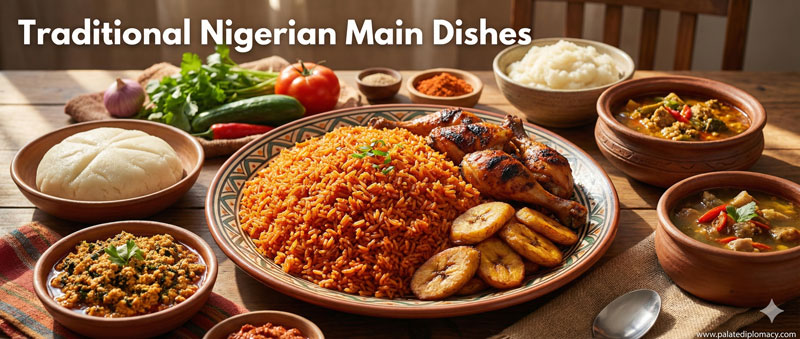
Ofada rice stands out as a cherished thread in the fabric of Nigerian Food Culture. This dish invites you to slow down, savor aroma, and enjoy a meal that feels like home. It is more than a staple; it is a celebration of farmers, kitchens, and the generous spirit of sharing. In this post, we explore its cultural value and culinary significance with warmth and clarity.
A Dish with Deep Community Roots
Ofada rice is grown by farmers near communities across southern Nigeria, where the land and rain nourish each grain. The name itself connects the food to place, and many families recognize the moment when the pot goes on the stove as a sign of gathering and hospitality. The rice is often unpolished, keeping a natural texture and earthy character. This respect for the grain mirrors a larger cultural love for food that brings people together. When Ofada rice appears on the table, it signals a meal meant to be enjoyed slowly, with conversation and shared plates.
The Flavor and Texture that Set It Apart
What makes Ofada rice special begins with its aroma. As it cooks, a gentle, nutty scent rises, inviting everyone to the kitchen. The grains tend to be slightly sticky yet separate when cooked well, offering a satisfying bite without heaviness. The color is warm and inviting, with a natural brownish hue that hints at its unpolished nature. The texture and fragrance combine to create an eating experience that feels both familiar and distinct—comforting, yet worthy of celebration.
Ofada Sauce: The Complement That Elevates the Dish
No discussion of Ofada rice is complete without its iconic accompaniment: Ofada sauce. This green pepper sauce is made with fresh peppers, palm oil, onions, and locust beans (iru). Some cooks add a touch of crayfish or dried fish for depth, while others favor a brighter pepper note with fresh herbs. The sauce brings a glossy richness that coats the grains, creating a harmonious balance between spice, heat, and earthiness. Serving Ofada rice with this sauce highlights contrasts in texture and flavor and underscores the communal heart of Nigerian dining—sharing a sauce that feels alive and vibrant.
Simple, Respectful Preparation
Preparing Ofada rice invites patience and care. Rinse the rice to remove any debris, then soak briefly to help it soften. Parboil gently, drain, and steam until the grains are tender but still hold their shape. The key is to balance heat and time so the rice remains fluffy rather than mushy. A light touch with salt and a splash of palm oil can enhance the natural flavors. Pair it with Ofada sauce, and you have a dish that rewards careful timing and gentle handling.
Cultural Moments and Everyday Hospitality
In many households, Sunday meals, family gatherings, and special visits center around Ofada rice. It is a dish that welcomes guests and signals a thoughtful, generous atmosphere. Markets and kitchens buzz with people exchanging tips about how to achieve the perfect texture or how to blend peppers for the sauce. The ritual of preparing Ofada rice—choosing the right grains, whisking the sauce, and serving hot—creates a memory in every home. The dish also appears in celebrations that honor good harvests, sung songs of gratitude, and the simple joy of sharing food with neighbors and friends.
Finding, Preparing, and Enjoying Ofada Rice
To discover Ofada rice, look for it in markets, local Nigerian grocers, and growing numbers of specialty stores and online shops. Freshness matters, so seek grains that feel lively to the touch and carry a rich aroma when rinsed. When cooking at home, use a broad, shallow pot to promote even heat, and keep the sauce nearby to serve as soon as the rice is ready. This practice keeps flavors bright and the texture ideal. Sharing a plate of Ofada rice with friends makes the meal feel Like a small celebration of everyday life.
A Dish that Reflects Nigerian Food Culture
Ofada rice embodies a philosophy of cooking that values farmers, local ingredients, and the joy of togetherness. Its natural texture, inviting aroma, and flavorful sauce invite cooks to honor tradition while enjoying individual creativity. The dish does not demand complexity; it invites care, balance, and generosity. In this way, Ofada rice serves as a bridge between generations, connecting generations through a shared culinary language.
Final Thoughts
What makes Ofada rice so special in Nigeria is not only its taste or texture, but its place in daily life and communal meals. It is a humble grain that becomes something memorable when paired with Ofada sauce and shared around the table. If you seek a dish that invites warmth, conversation, and appreciation for local farming, Ofada rice offers a genuine and delicious gateway. Celebrate its aroma, savor its bite, and enjoy the way it brings people together in Nigeria’s vibrant food culture.