
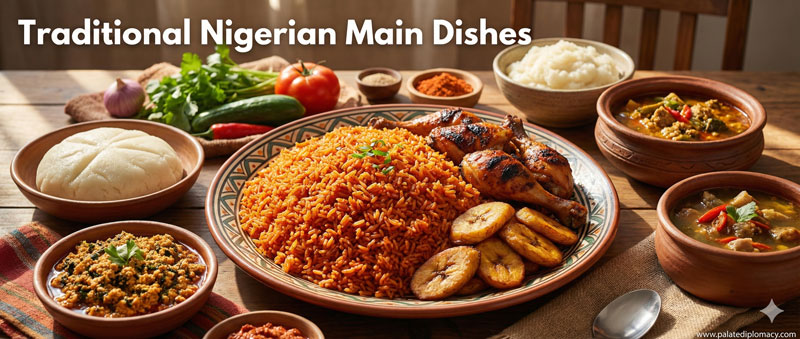
What Makes Ofada Rice So Special in Nigeria
Ofada rice is a treasured part of Nigerian kitchens. It carries a distinctive aroma, a soft yet firm texture, and a bright sense of home. People reach for Ofada during celebrations and quiet family dinners alike. Its appeal grows from what happens around it: hands rinse, pots simmer, and a table fills with care. The dish invites talk, laughter, and shared space. In every bite, you sense history, craft, and warm hospitality. This piece explores its cultural value and culinary significance, from farm shelves to the plate.
The Rice Itself: Flavor, Texture, and Craft
Ofada rice is a small, fragrant grain. It is often brown and lightly polished, with a natural sheen. When cooked, the grains stay separate and fluffy. The aroma carries earthy notes and a gentle nuttiness. Farmers nurture it with pride, and markets celebrate its fresh pull. This rice feels alive on the tongue and in the air above the pot. It speaks of soil, sun, and patient hands. Each batch carries memory, from seed selection to harvest to kitchen practice. The result is a simple grain that invites careful preparation and mindful tasting.
Ofada Sauce: A Harmonious Partner
Ofada sauce brings color and depth. It blends peppers, onions, and locust beans (iru) with rich palm oil. Some cooks add smoked fish or prawns for a delicate saltiness. The sauce sings with heat, savor, and a touch of sweetness. It is thick enough to cling to each grain, yet bright enough to lift the meal. Served beside the rice, the sauce invites you to slow down, breathe, and share. The pairing is more than flavor; it signals welcome and togetherness.
A Cultural Thread: Hospitality, Markets, and Meals
Hospitality shines at Ofada tables. A mat or a banana leaf becomes a natural plate. Friends and family gather, talk, laugh, and savor. Ofada meals often mark celebrations, harvests, or weekend visits. In markets, farmers proudly display Ofada rice in bright baskets. The aroma travels through kitchens and into conversations about home, craft, and care. This dish acts as a bridge between meals and moments, turning ordinary days into warm memories.
Regional Variations and Personal Touches
Southwest Nigeria adds its own twists. Some prepare with extra peppers for stronger heat; others keep it mild and balanced. Some pair the rice with fried plantains or eggs for variety. The sauce can be thicker or lighter, depending on family tradition. Yet the core remains the same: fragrant rice and a lively pepper sauce that celebrate community cooking. These small differences enrich the dish without changing its heart.
How to Enjoy Ofada Rice at Home
Choose fresh Ofada rice from a trusted market. Rinse gently, then cook with enough water until grains are tender but distinct. Prepare the sauce separately and add just before serving to preserve brightness. Serve hot on a shared table. Offer compliments, conversation, and patience as you eat. The meal becomes a simple joy, carried by aroma, texture, and togetherness.
A Note on Culture and Craft
Ofada rice stands as a symbol of Food Culture in Nigeria. It connects hands, homes, and neighborhoods. Its scent promises good company and good meals. By honoring the rice, families preserve a living tradition. This dish invites curiosity, respect, and celebration of everyday culinary artistry.