
What Makes Oxtail Stew Special in Caribbean Cuisine
Oxtail Stew is a beloved thread in Caribbean kitchens. Its warmth comes from slow cooking, rich aroma, and a balance of sweetness, spice, and savory meat. This dish captures a sense of place in every jar of sauce and every tender bite. It invites conversation, sharing, and a moment to savor tradition. The result is a stew that feels both comforting and celebratory, a dish that many families return to with a sense of anticipation.
The Craft: Technique and Texture
The beauty of oxtail stew lies in technique as much as in taste. Cooks brown the oxtail pieces to develop deep color and flavor. Then, they slowly simmer the meat with stock, onions, peppers, and aromatics. The slow simmer breaks the meat’s collagen into a silky glaze that coats the vegetables and grains you serve it with. Each stage matters: browning, deglazing the pot, and patient simmering coax out a sauce that clings to every piece. The final texture is a contrast—tender bones and succulent meat, bathed in a sauce that feels both luxurious and homey.
Flavor Foundations: Spices, Herbs, and Aromatics
Caribbean oxtail stews sing because of the spice chorus that flavors them. Allspice, often called pimento, provides a warm, slightly floral backbone. Thyme lends brightness and herbal lift, while garlic and onions add savory depth. Peppers bring a gentle heat and a distinctive fruity note that is characteristic of the region. Salt, pepper, and a splash of acidity from lime or citrus balance the richness. The result is a sauce that feels layered and bright, even as it remains deeply comforting. Each household may add its own touch, but the core trio of meat, spice, and slow warmth stays constant.
A One-Pot Wonder: Versatility and Comfort
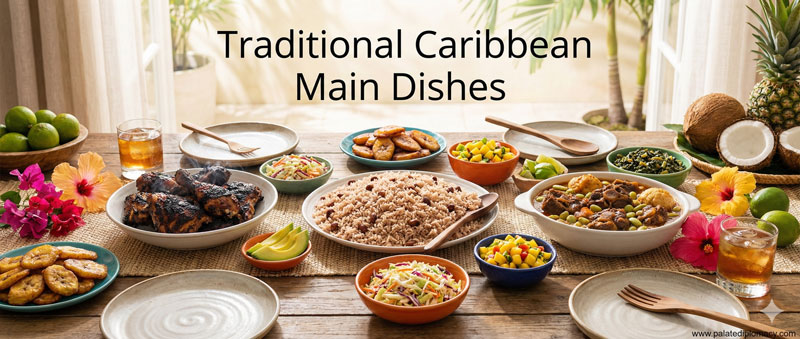
Oxtail stew shines as a one-pot meal that feeds many with little fuss. It pairs beautifully with rice and peas, white rice, dumplings, or ground provisions like yams and Sweet Potatoes. The starch serves as a perfect sponge for the sauce, letting every bite carry the stew’s full character. Side dishes are more than accompaniments; they are part of the experience, turning a simple supper into a shared ritual. The dish travels well as a centerpiece for family gatherings, street-side tastings, and weekend meals, always inviting people to gather around the table.
Cultural Thread: Shared Moments and Craft
In Caribbean homes, oxtail stew is a social event as much as a meal. The kitchen fills with a comforting scent that signals time to slow down and connect. People linger over the pot, tasting, adjusting, and discussing the best textures and balance. The dish often marks special moments—Sunday gatherings, birthdays, or simply a proud day of cooking. When the pot reaches the table, the act of serving becomes a moment of care and hospitality. The stew becomes a way to say, “Welcome, you are part of this family.”
Regional Expressions: Variations Across the Caribbean
Across the Caribbean, cooks put a regional stamp on oxtail stew. In Jamaica, the emphasis on robust spice and a glossy, richly colored sauce stands out, with a modest kick of heat. In Barbados, you might find a touch more sweetness from caramelized onions and a slightly lighter finish. Trinidad and Tobago often blend bold flavors with a bright pepper note, balancing heat and aroma. Antigua and other islands offer their own nuanced takes, adding or omitting elements like bursts of lime, spring onions, or a hint of ginger. Despite these differences, the core beauty remains: slow-cooked oxtail, a thick, savory sauce, and a sense of shared nourishment.
Savoring Oxtail Stew Today
Today, oxtail stew is accessible in homes, markets, and small eateries alike. It travels from grandmother’s stove to a modern kitchen with the same spirit: patience, care, and respect for ingredients. The dish invites you to slow down, observe the layers of flavor, and appreciate how community and cooking blend into one fragrant pot. If you are new to it, start with a simple version, then explore regional twists that reflect local produce and tradition. Either way, the experience remains an invitation—to savor, to share, and to celebrate the beauty of Caribbean Food Culture through a single, satisfying dish.