
What Makes Pickled Herring Special in Nordic Cooking
Pickled herring stands at the Heart of Nordic cooking, celebrated for its simplicity, resilience, and everyday elegance. This dish embodies a way of eating that honors the sea, the season, and careful preparation. In Nordic kitchens, pickled herring is more than a préparerment; it guides flavor, texture, and tempo across meals. It invites cooks of all levels to balance brightness with depth, while honoring a tradition that feels both intimate and communal.
Preservation as a Cultural Practice
The practice of pickling arose to make the season’s bounty last. In Nordic climates, preservation connects people to the rhythms of the year. Cooks blend vinegar, salt, sugar, and aromatics to capture fish at its peak. The result is a bright-tasting, adaptable ingredient that travels well from kitchen to table. This approach teaches patience and precision. It also reinforces a shared language of flavors—tart, salty, mellow, and fresh all at once. When families open a jar, they taste a small ceremony: a method refined through generations, ready to spark a quick lunch or a showpiece with minimal fuss.
Flavor, Texture, and Culinary Significance
Pickled herring offers a distinctive flavor profile that many find instantly recognizable. A bright acidity lifts the natural sweetness of the fish, while subtle notes from onions, seeds, dill, or mustard seed weave through the brine. The texture remains soft and yielding, yet firm enough to hold its shape on a slice of bread or a plate of potatoes. This combination makes it versatile: it can anchor a light lunch, complement hearty rye breads, or pair with creamy sauces. Because the herring absorbs the brine gently, it carries a clean, refreshing aftertaste that invites another bite, another pairing, and another moment of savoring.
Regional Voices and Techniques
Across Nordic countries, slight variations reveal local sensibilities. In one region, dill and onions may lead the flavor, while in another, a touch of caraway or mustard adds warmth. Some kitchens favor lighter brines with shorter curing times; others let the fish steep longer for a deeper tang. The result is a mosaic of approaches that share a common appreciation: the fish must stay tender, the brine must be balanced, and the finish should feel bright without being overpowering. Each technique honors the sea’s generosity and the craft of the home cook, turning a simple fish into a signature component of regional menus.
Social Moments and Table Traditions
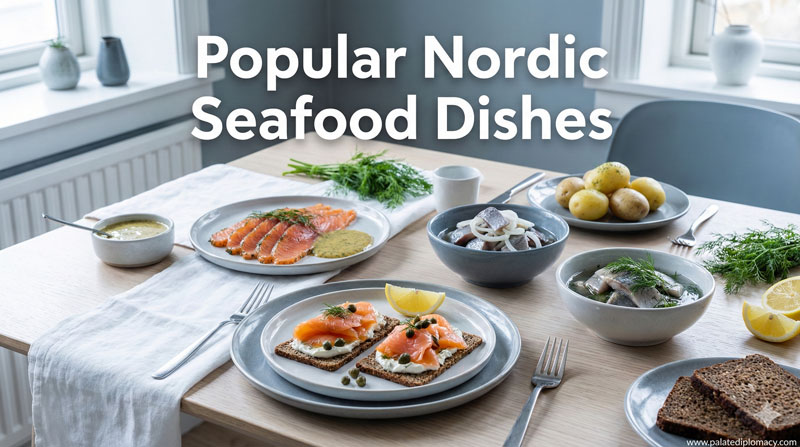
Pickled herring often appears at the family table during shared meals, celebrations, and seasonal gatherings. It pairs beautifully with sliced dark rye or crispbread, boiled potatoes, and a dollop of creamy spread. Socially, it invites conversation rather than confrontation at mealtime. People swap tips on brine strength, serving temperatures, and complementary toppings. The dish also lends itself to light, elegant presentations—thin fillets arranged artfully, with lemon wedges and herbs to punctuate color and aroma. In this way, pickled herring becomes a focal point around which stories, laughter, and appreciation for simple ingredients circulate.
Pairings, Serving Ideas, and Everyday Beauty
To serve pickled herring with intention, begin with temperature. Cold brined fillets maintain a fresh bite, while a slightly cooler room temperature can reveal subtler flavors. Pair the fish with elements that echo its brightness: a tangy yogurt sauce, shaved onion, cucumber ribbons, and a touch of dill. For contrast, offer soft creams or mild cheeses nearby, as well as airy bread or crisp rye. A squeeze of lemon or a light vinegar drizzle can awaken the palate. These thoughtful pairings emphasize the dish’s flexibility and allow its everyday beauty to shine in casual lunches and refined dinners alike.
A Gentle Reverence for Everyday Food
What Makes pickled herring truly special is its ability to elevate daily eating without demanding extravagance. It celebrates frugality when needed and finesse when possible. The dish respects the palate with clean, clear flavors that do not overpower the fish. It also honors the hands that prepared it—from the farmer who harvested the catch to the home cook who layered the brine. In Nordic cooking, such respect for ingredients and process creates a cuisine that feels hospitable, enduring, and quietly magnificent.
Practical Tips for Enjoying and Appreciating
- Look for firm fillets with a fresh aroma and a bright brine.
- Choose a preparation level that matches your taste; lighter brines for a crisp bite, richer brines for a deeper tang.
- Experiment with toppings and sides to discover your preferred balance.
- Store properly in a cool, sealed container to maintain texture and flavor.
- Enjoy with friends and family to experience the dish’s social warmth.
Pickled herring, in its many local renditions, offers a clear window into Nordic cooking. It shows how a single ingredient can carry memory, craft, and community all at once. By savoring its brightness, we celebrate the careful artistry of Nordic kitchens and the everyday joy that good food can bring to the table.