
Introduction
What Makes Pickled Herring So Special in Nordic Cooking is a question that invites curiosity about texture, memory, and craft. Pickled herring carries a bright, clean flavor and a crisp bite that players well with simple Nordic ingredients. It arrives at the table with a sense of calm confidence. The dish speaks to patience, balance, and the joy of sharing. This post explores its cultural value and culinary significance in Nordic kitchens.
What is Pickled Herring?
Pickled herring is the small herring prepared in a tangy brine made from salt, vinegar, sugar, and spices. The cure preserves the fish and enhances its brightness. Regional twists show up in the brine—onions, peppercorns, dill, and mustard seeds appear in many versions. The result is a bright, tart, and savory bite with room for subtle sweetness. Its versatility lets cooks adjust timing for a crisper or softer texture. The method honors the fish while keeping flavors clean and approachable.
Cultural Value in Nordic Cooking
In Nordic homes, recipes pass from one generation to the next with care. Families gather to prepare a course that feels familiar and comforting. Pickled herring often appears at seasonal meals and holiday tables, marking moments in the year with a steady continuity. The dish links markets, fishermen, and kitchen shelves through everyday practice. Sharing a platter becomes a quiet ritual that welcomes conversation. Preparing and serving herring invites a sense of belonging and place. It demonstrates how simple ingredients can carry tradition with dignity and joy.
Traditional Techniques
Craftsmanship shows in the balance of salt, sugar, and acidity. Cooks taste and adjust so the fish stays firm yet tender. They layer flavor with onions, dill, mustard seeds, or pepper. Some use a two-step approach: a mild brine first, followed by a sharper pickling liquid. Time matters; the flavors unfold as the fish rests. The best versions highlight the fish’s delicate texture and a lively tang. The technique combines restraint with attention to detail, yielding a refined but accessible dish.
Flavor, Texture, and Pairings
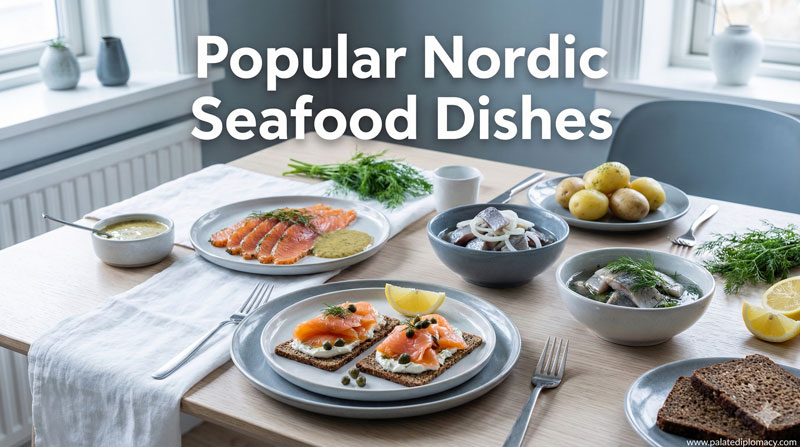
Expect a bright tang that awakens the palate. The fish offers a clean, slightly oily richness that remains gentle. A crisp onion bite adds contrast and balance. Pairings are simple and thoughtful: rye bread or dark bread, boiled potatoes, and a dollop of creamy sauce or sour cream. The overall effect is refreshing yet comforting, with each bite inviting a new note to emerge. These combinations honor the dish without overpowering it.
Regional Variations
Across Sweden, Norway, and Denmark, small differences shape the experience. Some prefer a sweeter brine that softens the acidity, while others favor a sharper, more direct acidity. Mustard, dill, or fennel seeds appear as signature accents in many kitchens. Regional markets showcase different preparations, reflecting local tastes and seasonal fish catches. Yet the core idea remains the same: a bright, savory fish that shines on the plate.
Modern Interpretations
Contemporary Nordic cooks honor tradition while inviting new ideas. Some experiments introduce citrus zest, peppery herbs, or light smoky notes. Chefs pair pickled herring with modern sauces or textures while keeping the core brightness intact. The dish fits into both rustic suppers and refined tasting menus. These interpretations celebrate versatility without losing the dish’s essential character.
The Social Table
A tray of pickled herring invites movement and conversation. People pass plates, share stories, and savor together. The dish becomes a social anchor during gatherings, especially when family and friends contribute their own small touches. The act of sharing reinforces a sense of community and continuity. It is a reminder that food often carries more meaning when enjoyed with others.
Preserving the Craft
Local fisheries and small producers sustain freshness and quality. Seasonal catches guide what is available on pantry shelves and in markets. Markets celebrate the harvest with straightforward, honest preparations. The craft honors regional flavors while remaining accessible to home cooks. This continuity helps keep Nordic cooking personal and alive in daily life.
Conclusion
Pickled herring Stands Out in Nordic cooking for its clarity, craftsmanship, and communal spirit. The dish shows how a simple ingredient can carry memory, seasonality, and everyday elegance. Its enduring presence on tables across the Nordic region reflects a love of balance, a respect for tradition, and a joy in sharing good food.