
Introduction
What Makes pickled herring so special in Nordic cooking? This simple, bright fish brings a vivid note of the sea to the table. It also carries a quiet, enduring tradition. In kitchens across Sweden, Norway, Denmark, Finland, and Iceland, pickled herring links daily meals with festive gatherings. It invites conversation, sparks appetite, and elevates ordinary ingredients into something memorable. The dish speaks to balance, seasonality, and respect for craft.
The Craft of Pickling
The magic starts with freshness and a careful brine. Sliced herring files rest in a solution of salt, vinegar or wine, sugar, and water. This medium awakens tangy brightness while preserving delicate texture. Cooks add aromatics—dill, onion, mustard seeds, bay leaves, peppercorns, and sometimes carrot or beet—to shape distinct regional profiles. The result is versatile: crisp, glossy fillets that carry a clean bite and a hint of sweetness. Through this precise process, a fragile fish becomes a durable, flavorful staple.
A Nordic Table Staple
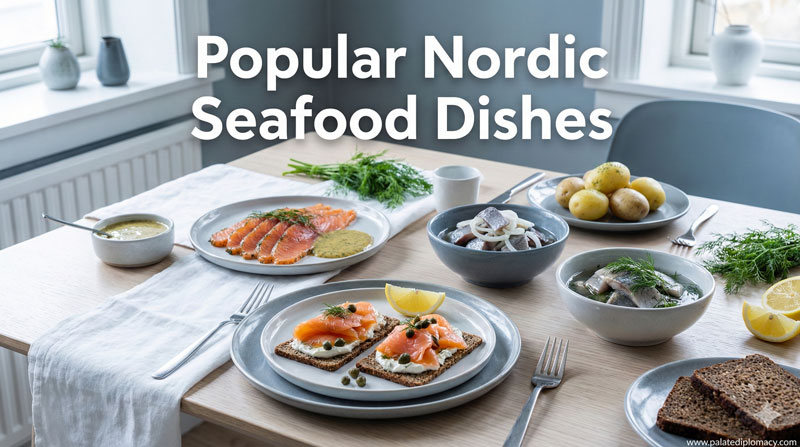
Pickled herring earns its place at the Heart of Nordic meals. It appears in daily lunches, on open-face rye bread, or alongside boiled potatoes and sour cream. It also shines during shared feasts, where a plate of varied herring varieties invites tasting and conversation. In homes and markets, the dish embodies a spirit of hospitality—neighbors and families gather to sample different brines, comparing textures and aromas. This accessibility makes pickled herring a unifying element in a culture that loves good, simple foods prepared with care.
Varieties and Techniques
Across the region, herring is prepared in several beloved styles. In Sweden, mustard-sill and onion-sill offer tangy depth. Denmark features vinegary, lightly sweet profiles that brighten fish and bread alike. Norway favors peppery, herb-forward blends that pair well with potatoes. Finland often embraces a milder acidity with citrus hints and dill notes. Each variation reflects local markets, seasonal catches, and family preferences. The common thread is restraint paired with attention to balance, allowing the fish to sing without overpowering other flavors on the plate.
Seasons, Celebrations, and Everyday Meals
Seasonality shapes the herring table. In winter, it becomes a centerpiece on the Christmas smorgasbord, where a few bold bites sparkle amid richer dishes. In spring and summer, lighter brines and herbaceous tweaks refresh the palate as days grow longer. Everyday meals also benefit from its reliable presence—its bright acidity can lift a simple herring sandwich or a potato-based dish. The dish teaches patience and timing: the brine must be long enough to develop flavor, yet short enough to preserve tenderness.
Pairings and Palate
Pairing is part of the pleasure. Crisp rye bread or dark sourdough provides a sturdy base. Fresh onions, dill, and sour cream offer cool contrasts to the briny fish. A thin slice of pickle or a dab of mustard can add a spark without overwhelming the fish’s character. Side dishes like boiled potatoes, beets, or pickled cucumbers create harmony through contrasting textures and colors. In every bite, the dish invites a mindful appreciation of technique and a celebration of seasonal ingredients.
Honoring Tradition, Embracing Modern Taste
Modern kitchens respect tradition while inviting innovation. Home cooks may experiment with new herbs, citrus zests, or peppery oils to refresh familiar flavors. Yet the heart remains the same: simple ingredients, careful balance, and a sense of place. Chefs describe pickled herring as a canvas that records time—the sea’s bounty, a cook’s patience, and a family’s memory. This evolving yet rooted approach keeps the dish vital in Nordic cooking.
Conclusion
Pickled herring stands out for its clarity, craft, and cultural resonance. It embodies a philosophy of preserving freshness, honoring local ingredients, and sharing food with warmth. The dish enriches Nordic cuisine by offering versatility, approachable elegance, and a sense of communal joy. In every plate, it invites us to slow down, savor texture and acidity, and celebrate the beauty of thoughtful preparation.