
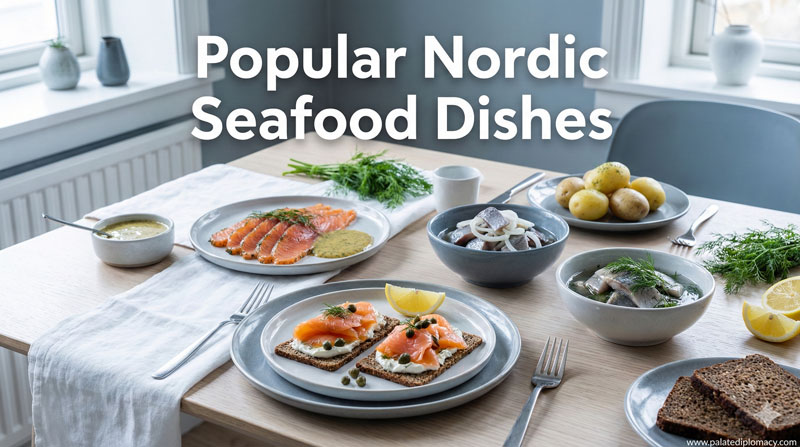
What makes pickled herring central to Nordic cooking
Pickled herring anchors many Nordic kitchens. It links the sea’s bounty with the home table. Bright, tangy brines meet delicate fish in a dance of balance. This dish shows how preservation, season, and skill come together. It invites quick, confident preparation and roomy sharing. Its presence on the plate signals both tradition and careful craft, year after year.
The craft of pickling: technique and ingredients
The Heart of pickled herring is the marinade. Fillets are cleaned and lightly cured to keep texture soft, not mushy. They meet a bright brine that often blends vinegar, salt, and a touch of sugar. Onions, mustard seeds, and peppercorns join the mix, bringing warmth and bite. Dill, bay leaves, and sometimes carrots or leeks add color and aroma. The fish rests in the liquid long enough for flavors to mingle, yet stays tender enough to melt on the tongue. The result is a clean, zesty bite that invites another taste and another story from the kitchen.
Regional voices: a Nordic palette across countries
Nordic pickled herring wears many regional accents. In Denmark, you may find a crisp brightness with a subtle sweetness that complements rye bread. In Sweden, dill and onion often mingle with a tart kiss of vinegar, creating a bright, elegant profile. Norway offers a peppery, savory edge that pairs well with potatoes and fresh herbs. Finland presents a balanced blend of sour and savory, sometimes with a hint of mustard. Icelandic preparations celebrate clean flavors and simple garnish, letting the brine and fish shine. Across these lands, the same dish grows with local herbs, seasonal practice, and family memory.
Seasons and celebrations: when the dish lights up the table
Pickled herring shines at specific moments in the Nordic year. It is a familiar face on the Christmas Eve board, where a variety of small dishes come together for sharing and warmth. It also appears on midsummer tables and at family gatherings, where neighbors and relatives linger over a plate or two. The versatility of pickled herring makes It a reliable companion for seasonal vegetables, crusty bread, and fresh potatoes. Its presence marks careful planning, respect for seasonal produce, and joy in a well laid table.
Serving and pairing: how it finds harmony
Serve pickled herring on dark rye or flatbread for a heartier bite, or with boiled potatoes and a simple sour cream dressing for a gentle contrast. Thinly sliced red onions, chives, and a handful of dill lift the fragrance. A dollop of mustard or a light beet salad can add color and depth without overpowering the fish. The dish loves a clean palate to appreciate its tang, salt, and nuance. A small glass of water or a gentle non-alcoholic beverage keeps the flavors clear and accessible.
The sensory appeal: texture, aroma, balance
The texture offers a soft bite that yields to a slight snap from the pickle’s brightness. The aroma blends vinegar, herbs, and the sea’s freshness. Flavor plays with sour, salty, and sweet notes, never overwhelming the fish’s natural sweetness. Pairings highlight this harmony: a fresh herb, a crisp bite of onion, or a guiding tang from the pickle itself. This is a dish that rewards careful tasting and mindful plating.
A living tradition: care, craft, and continuity
Pickled herring embodies a slow, thoughtful kitchen practice. Families pass down methods, tweaks, and timing from one generation to the next. The dish invites careful selection of fresh fillets, clean brine, and patient marination. It celebrates restraint and attention to detail. By honoring these choices, cooks keep a living link between today’s table and Nordic culinary heritage. The result is a dish that feels timeless, yet always ready for a new but respectful presentation.
A final note on its place in Nordic cuisine
Pickled herring stands as a simple yet profound expression of Nordic cooking. Its appeal rests on fresh ingredients, precise technique, and a shared sense of table culture. It invites curiosity, invites conversation, and always honors the sea, the season, and the cooks who bring it to life. In every bite, it reveals why Nordic kitchens prize clarity, balance, and the quiet joy of gathering around good food.