
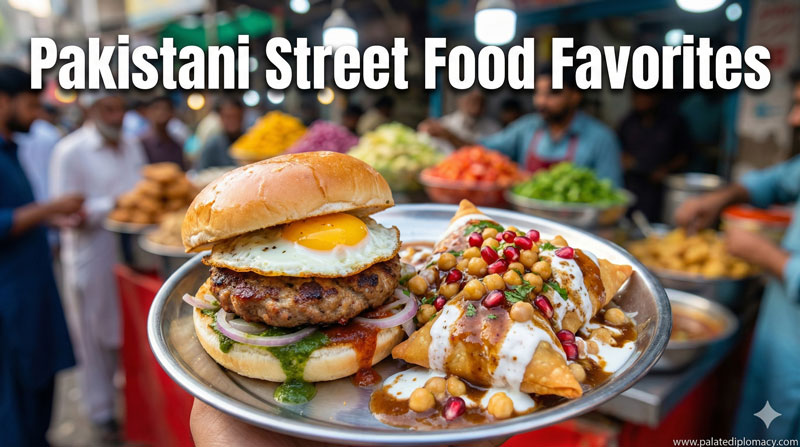
What Makes Samosa Chaat So Special in Pakistan
Samosa chaat Shines in Pakistan as more than a snack. It is a celebration of textures, flavors, and shared moments. Crisp samosas break into a chorus of crunch, while yogurt, tangy chutneys, and a kiss of spiced dusting create a lively balance. In bustling streets and busy kitchens alike, this dish invites people to gather, taste, and linger for a little while longer.
Cultural value: a dish of togetherness
In many neighborhoods, samosa chaat appears at the heart of everyday life. Friends meet after work, families gather on a corner, and neighbors exchange smiles over a plate of this vibrant dish. Its appeal lies in accessibility and warmth: a simple base, familiar toppings, and a design that invites everyone to add their own touch. The act of sharing a single plate mirrors a culture that values hospitality and communal joy. Samosa chaat becomes a bridge between generations, too, as grandparents and youngsters trade tips on the perfect level of tanginess or the ideal amount of sev for extra crunch.
Culinary significance: balance, texture, and technique
The beauty of samosa chaat rests on contrast. A well-broken samosa delivers a hearty, savory bite that is then brightened by yogurt’s creaminess. The chutneys provide sweet-sour depth, while chopped onions and cilantro offer sharp, fresh notes. The final dusting of chaat masala and a sprinkling of sev adds a delicate salty crackle. The dish showcases how skilled layering can transform humble ingredients into something dynamic. Each component plays a role: the crisp shell, the cool yogurt, the zippy chutneys, and the light crunch on top. The result is a lively, cohesive experience that rewards careful balance and confident flavors.
Regional twists: variety within a shared love
Across Pakistan, samosa chaat wears regional accents. In some areas, tangy tamarind chutney mingles with mint for a brighter, greener finish. In others, a touch more yogurt or a pinch of roasted cumin intensifies the savory notes. The amount of chopped herbs can vary, and some cooks add a whisper of pomegranate seeds for a burst of ruby sweetness. Street vendors may adjust to the crowd’s mood, making the dish more aromatic with fresh coriander or balancing heat with a cool, yogurt-based topping. This regional flexibility keeps the dish alive, allowing it to feel both familiar and refreshingly new wherever it is enjoyed.
Serving culture: a plate that invites sharing
Samosa chaat is often served on a flat plate or small tray, encouraging everyone at the table to dip in and pass along. The presentation is colorful and inviting: pale yogurt against dark chutneys, bright green cilantro, and the pale gold of fried samosa shards. No two plates are exactly alike, because each cook brings a personal touch. The ritual of adding chutneys last, then finishing with sev, creates a moment of anticipation. In many homes and eateries, this dish marks a casual gathering or a joyful break in a busy day, reinforcing social bonds through shared flavor.
The home kitchen: easy to love, fun to master
At home, making samosa chaat can be a playful, creative activity. Fryed or baked samosas can be used as a quick base, and households often tailor the toppings to their preferences. The process invites experimentation: adjust chutney sweetness, tweak the yogurt’s thickness, or vary the crispness of the sev. This flexibility makes the dish approachable for cooks of all levels. With practice, the layering becomes a signature touch—an opportunity to express hospitality and care through food.
Conclusion: a flavorful thread in Pakistan’s culinary tapestry
Samosa chaat Stands Out for its joyful balance of textures, its communal spirit, and its regional flavors. It is a dish that travels well from busy street stalls to family kitchens, always inviting participation and shared delight. By combining crisp, creamy, tangy, and fresh elements, it anchors a moment of happiness in everyday life. in Pakistan, samosa chaat is more than a plate of food—it is a taste of togetherness and a testament to the care that goes into simple, well-made cooking.