
Introduction
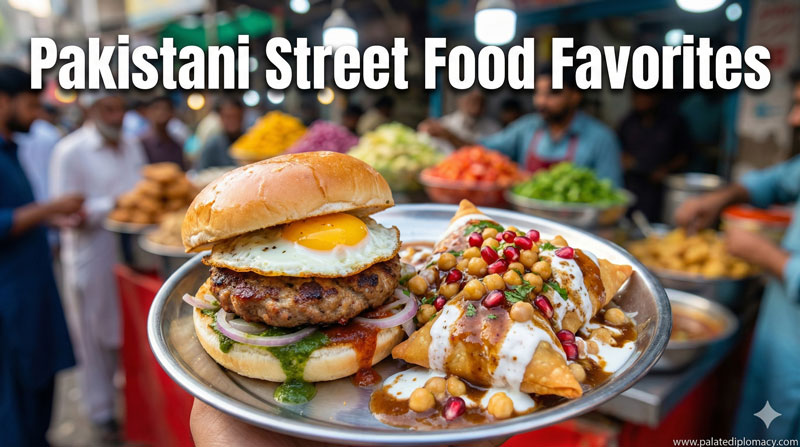
What makes samosa chaat special in Pakistan is its welcoming spirit as much as its bright flavors. This dish sits at the crossroads of street life and home kitchens, where textures meet textures and memories are made bite by bite. It invites people to pause, share a plate, and savor the moment. In Pakistan’s bustling markets and cozy family kitchens, samosa chaat becomes a quick meal, a social gesture, and a celebration of everyday culinary craft. The dish blends a crisp, warm base with cool, tangy, and spicy accents, turning simple ingredients into a lively, colorful experience.
Cultural Roots and Culinary Significance
Samosa chaat embodies hospitality in its most common form. A generous plate signals warmth, welcome, and a wish to nourish guests. Vendors on busy lanes greet regulars with a nod and a smile, making the act of ordering feel Like a friendly conversation. Families often treat a plate as a shared ritual after a long day, a moment to connect over familiar flavors. The dish travels easily from a street stall to a home kitchen, carrying the same sense of comfort and generosity.
Culturally, samosa chaat is a conversation starter. Its appearance on a table signals openness to conversation, refreshing company, and communal joy. The ingredients—crispy fried samosas, yogurt, tamarind chutney, mint chutney, sev, onions, cilantro—are arranged to invite discussion about balance and taste. Each spoonful offers a micro-story: how the crisp pastry meets the cool yogurt, how sweet-tish tamarind plays with fresh herbs, how the finishing crunch of sev punctuates the mouth. This conversational rhythm is part of why the dish feels special here.
The Flavor Symphony
Samosa chaat is a carefully balanced orchestra of flavors. The base is a crisp, savory samosa, often broken into pieces to mingle with the toppings. The next layer is yogurt, which cools and mellows the bright spices. Then come two chutneys: a tangy tamarind blend that brings sweetness with a sour kick, and a green mint-coriander chutney that adds brightness and herbal lift. A pinch of chaat masala, salt, and lemon juice ties the flavors together. Finally, a shower of sev, chopped onions, and fresh cilantro provides texture and color.
This flavor map reflects culinary philosophy: contrast enhances harmony. The hot, crisp pastry contrasts with cool yogurt. Sweet and sour accents meet fresh herbs. Crunchy sev adds another dimension, turning every bite into a range of sensations. The dish rewards attentive tasting, inviting the eater to notice how each element elevates the others rather than competing with them.
Texture, Layering, and Craft
Texture plays a starring role in samosa chaat. The first moment comes from the sturdy bite of a fried samosa, then a soft crumble as it absorbs yogurt and chutneys. The next texture arrives with the silky yogurt, which glides over the palate and cools the spice. Crunch returns with sev and chopped onions, creating a lively cadence throughout the eating experience.
Craft matters too. A good plate shows thoughtful layering: pieces of samosa spread or crumbled on the base, a drizzle of yogurt, a careful swoosh of chutneys, a fine dusting of chaat masala, and a final sprinkle of sev and herbs. The arrangement is not just about looks; it guides the eater through a sequence of textures and flavors. This attention to layering reflects the broader skill honed by street vendors and home cooks alike, where timing and balance matter as much as ingredients.
Social Life and Shared Moments
In Pakistan, samosa chaat often appears in social moments that center on sharing. It makes an excellent addition to casual gatherings, after-school pick-me-ups, or a late-night bite with friends. A plate of samosa chaat can spark conversation about favorite chutneys, preferred spice levels, or how different family recipes vary. The communal nature of serving and eating from a shared plate reinforces bonds, fosters conversation, and creates small rituals around food.
Markets and eateries add another layer of social value. The sight and aroma of a busy chaat stall attract passersby and friends who reconnect over the familiar scent of tamarind and mint. The dish travels well between settings—whether a family kitchen, a street corner stall, or a small neighborhood cafe—strengthening a sense of place and belonging in everyday life.
Regional Variations Across Pakistan
While the core concept remains the same, regional preferences color samosa chaat across the country. In coastal cities, chutneys may lean toward a brighter, tangier profile with a hint of citrus, reflecting local fruit and spice blends. In inland regions, bolder spice notes and a touch more chili can accentuate the dish, standing up to distinctive weather and daily rhythms. In urban hubs, vendors experiment with toppings—extra onions for crunch, pomegranate seeds for a burst of sweetness, or roasted cumin powder for an aromatic finish.
What ties these variations together is a shared love for balance and accessibility. Samosa chaat remains easy to assemble, forgiving in its preparation, and welcoming to all ages. It is a dish that can be adapted to personal tastes while preserving its essential spirit: a celebration of textures, colors, and the joy of sharing food with others.
Pairings and Serving Traditions
Samosa chaat pairs naturally with beverages that cleanse the palate and refresh the senses. A cup of hot chai complements the spices and soothes the palate between bites. A cool lassi, salted or sweet, can harmonize with the tangy chutneys and yogurt. Fresh herbs and lemon juice brighten the plate right before serving, enhancing the dish’s vibrant profile.
In homes, samosa chaat can be a quick, comforting weeknight meal, a festive street-food experience, or a way to greet guests with warmth. In markets, it serves as a daily indulgence that brightens the day and creates a sense of community around a shared plate.
How to Appreciate This Dish
To truly appreciate samosa chaat, look beyond the taste. Notice the balance of hot and cool, crunchy and creamy, sweet and sour. Observe how the vendor or cook builds the flavors layer by layer, guiding you through a sequence of sensations. Acknowledge the care that goes into choosing fresh ingredients, the skill in proportioning chutneys, and the pride visible in a well-prepared plate.
The beauty of samosa chaat lies in its accessibility and joy. It invites everyone to take part in a moment of savoring that feels both familiar and exciting. The dish speaks softly about hospitality, regional pride, and the shared love of good food.
Conclusion
Samosa chaat stands out in Pakistan for its cultural value and culinary significance. It is more than a snack; it is a daily expression of welcome, a bridge between street life and home kitchens, and a celebration of texture and taste. The dish embodies hospitality, regional variety, and the social pleasure of sharing a plate. Whether enjoyed in a bustling market, a family kitchen, or a relaxed cafe, samosa chaat invites you to slow down, notice the contrasts, and celebrate the beauty of food prepared with care. If you seek a dish that speaks to community, craft, and flavor, samosa chaat offers a delicious, inviting doorway into Pakistan’s rich Food Culture.