
What Is Zilzil Tibs?
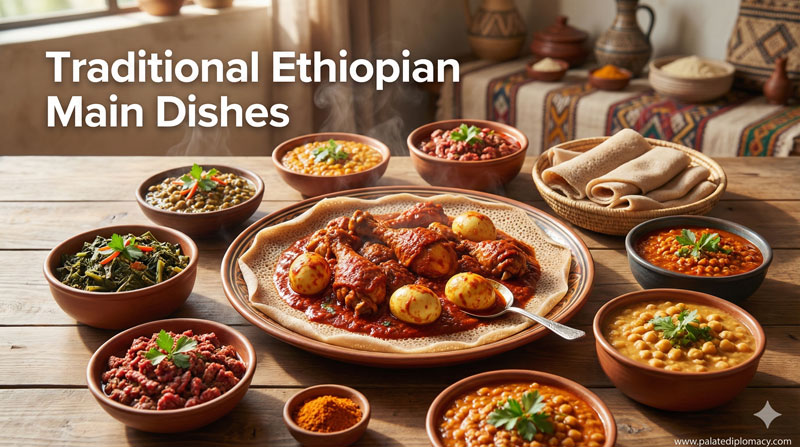
Zilzil Tibs, often translated as “sizzling tibs,” is a beloved Ethiopian dish built on bite-sized meat that sears quickly in a hot pan. Beef or lamb are common choices, sometimes mixed with a few vegetables like onions, green peppers, and hot chilies. The magic lies in the moment the meat hits a hot skillet: a lively sizzle releases a chorus of aromas. The dish is typically finished with a touch of niter kibbeh, a spiced clarified butter, and a kiss of berbere or mitmita for warmth and depth. It is most often presented on a broad platter with injera—the soft, spongy flatbread that soaks up every delicious drop. The name zilzil emphasizes the dramatic, mouthwatering sound and the bright, glossy surface of the meat as it cooks.
A Dish of Sizzling Texture and Bold Flavor
Zilzil Tibs delights the palate with contrast. The edges of the meat turn caramelized and crisp, while the centers stay juicy. The onions soften and sweeten as they mingle with the peppers and spices. Berbere brings a peppery, smoky warmth; mitmita adds a brisk, tangy heat. The sizzling sound signals freshness and a quick sear, which helps lock in juices and preserve a tender bite. The final plating invites diners to lift pieces of meat with injera, letting the bread soak up the flavorful oils and spice oils that cling to the skillet. This interplay of texture, aroma, and color makes zilzil tibs instantly appealing and satisfying.
Cultural Value: Shared Tables and Family Moments
Zilzil Tibs sits at the heart of Ethiopian hospitality and shared meals. It is a dish that often appears during family gatherings, celebrations, and everyday dinners where friends and relatives gather around a common platter. The act of serving from a sizzling pan reinforces togetherness: everyone participates in tearing injera, picking up a piece of meat, and dipping it into the mingled sauces. The aroma travels through the room, inviting conversation and a sense of belonging. In many households, zilzil tibs is a dish that travels between cooks and cooks-to-be, each adding their own touch—whether a bolder chili level, a dash of citrus, or an extra knob of butter. This evolving thread keeps the dish rooted in tradition while allowing personal expression.
Culinary Significance: Technique, Ingredients, and Presentation
Culinarily, zilzil tibs showcases how simple ingredients can deliver complex flavors. The technique hinges on high heat and rapid cooking to achieve a quick sear, which seals in juices and creates a satisfying crust. Onions, garlic, and peppers form the aromatic foundation, while berbere or mitmita provides warmth and depth. A small amount of niter kibbeh can add a second layer of fragrance, enriching the dish without overpowering the meat. The presentation matters too: the sizzling platter, the glossy sheen of the meat, and the scattered herbs or fresh chilies on top all signal freshness and care. The dish also demonstrates a practical balance—protein, vegetables, and spice come together harmoniously, with injera acting as both vehicle and companion.
How Zilzil Tibs Is Enjoyed Across Ethiopia
Across regions, zilzil tibs adapts to local tastes while honoring a shared culinary language. In urban kitchens, chefs might emphasize a brighter finish with fresh herbs and a slightly lighter touch of butter. In rural homes, cooks may lean into a heartier, smoky profile using more berbere and a robust stock or clarified butter. The bread of injera remains the universal partner, offering a gentle acidity and a soft, chewy texture that contrasts with the crisp meat. Sharing the dish on a broad platter, friends and family gather around, tasting bites together and pairing the meal with mild or bold accompaniments such as shiro (a chickpea- or lentil-based sauce), tomato salad, or a simple lentil side. The dish thus acts as a bridge between flavors and communities, inviting everyone to participate in a collective dining experience.
Tips for Making Zilzil Tibs at Home
- Choose the right pan: a heavy skillet or cast-iron pan conducts heat well and helps achieve a crisp exterior.
- Prep ingredients in advance: minced garlic, sliced onions, and bell peppers should be ready so the sizzling happens without delay.
- Dry the meat: pat the beef or lamb dry before cooking to promote a strong sear rather than steaming.
- Use high heat: preheat the pan until it sizzles, then add oil and meat quickly to lock in juices.
- Layer flavors: start with onions and garlic, add peppers, then the meat, and finish with berbere or mitmita and a touch of niter kibbeh if you like.
- Don’t overcrowd: cook in batches if needed to maintain a hot surface and a good sear.
- Finish boldly: a final toss in the pan with a squeeze of fresh lemon or a sprinkle of chopped herbs can brighten the dish.
- Serve immediately: the best zilzil tibs shines hot, with injera ready to wrap and dip.
Conclusion: Embracing a Rich Food Heritage
Zilzil Tibs stands as a vivid example of how Ethiopian Cuisine celebrates texture, aroma, and shared meals. Its sizzling presentation, bold yet balanced flavors, and role in gatherings make it more than a dish; it is a ritual of hospitality and a celebration of community through food. By savoring zilzil tibs, you participate in a culinary tradition that honors careful technique, seasonal ingredients, and the joyful act of sharing a meal with others. If you seek a dish that embodies warmth, character, and a sense of place, zilzil tibs offers a delicious doorway into the beauty of Ethiopian cooking.