
What Makes Akara Special in Nigeria
Akara, Nigeria’s beloved bean fritter, shines far beyond its crisp crust and fluffy center. It is a dish that carries warmth, hospitality, and a sense of daily life shared across many communities. Made from peeled black-eyed peas, onions, and peppers, Akara is simple yet deeply meaningful. The moment it hits the plate, the aroma invites conversation, smiles, and the sense that a good meal is a good welcome.
The Craft Behind Akara: Ingredients and Technique
The magic begins with dry black-eyed peas. The beans are soaked, peeled, and ground into a smooth, light batter. Fresh onions and hot peppers are folded in, along with a touch of salt and sometimes crayfish or onions for extra depth. The batter rests briefly, then spoonfuls drop into hot oil and sizzle to a golden brown.
This process blends texture and scent in one continuous rhythm. The outside becomes crisp and bronzed, while the inside stays soft and airy. The technique rewards patience: even heat, careful scooping, and steady frying produce the signature Akara bite. In many homes, the oil choice matters too—palm oil lends a rich aroma, while vegetable oil keeps the flavor clean and bright. The result is a fritter that rewards careful mixing, precise timing, and a gentle touch.
Akara in Nigerian Breakfast and Snack Culture
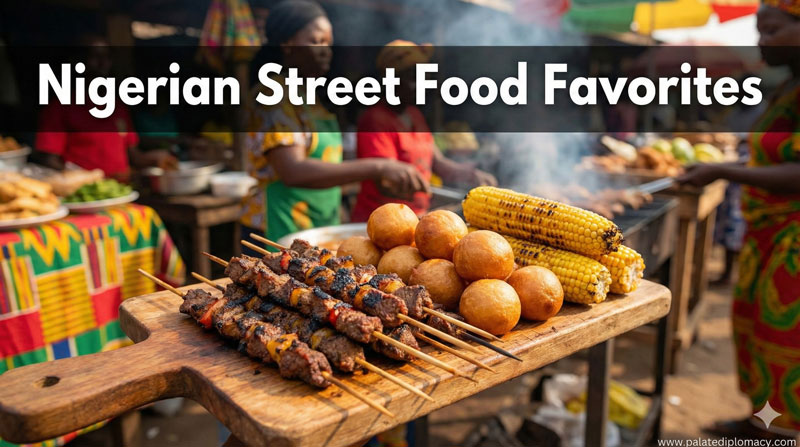
Akara holds a special place in the daily rhythm of Nigerian cuisine. It often features as a popular breakfast item, paired with pap (a fermented maize porridge) or custard, creating a balanced morning. Yet Akara also shines as a snack or light meal at any hour. Street vendors present warm, freshly fried portions that evoke the lively tempo of city markets and village crossroads alike. The dish travels well in memory—from a busy morning vendor’s cart to a quiet morning kitchen at home—making it a familiar thread in many Nigerian food stories.
The Social Moment: Making Akara Together
Preparing Akara is as much about people as it is about the recipe. Families gather to soak the beans, peel the skins, and share tips on blending precisely. Elders often guide younger cooks, passing down a sense of patience and pride in a handmade dish. The act of frying becomes a social ritual: conversations flow as aromas rise, neighbors share a few batter scoops, and everyone enjoys the communal warmth that accompanies A Beloved food. This social dimension reinforces hospitality, generosity, and the joy of sharing a meal with others.
Regional Colors: Variations Across Nigeria
While the core is consistent, Akara in Nigeria reflects regional tastes. Some households emphasize a brighter pepper zing, while others favor a milder, creamier batter. A pinch of spices or a splash of salt can highlight different flavor profiles. In certain areas, small additions like crayfish or ground pepper create a more savory, deeper bite. Regional nuances celebrate local produce and family traditions, yet all variations uphold the universal value of Akara: a comforting, shareable treat that brings people together.
Accompaniments and Pairings: A Harmonious Pairing
What makes Akara special is how it pairs with other foods. Pap or milk custard remains the classic partner, balancing the fritter’s richness with creamy, gentle sweetness. Fresh tomato relish or pepper sauce adds brightness for those who want a touch of heat. Some eat Akara with fried plantains or slices of bread for a heartier meal. Each pairing offers a different experience, showing how Akara adapts to taste while preserving its essential character.
Taste, Texture, and Memory: What to Savor
When you bite into Akara, you notice three things at once: the fragrant onion and pepper aroma, the crisp exterior, and the soft, airy interior. The texture feels buoyant yet substantial, inviting another bite. The flavor lingers with a gentle peppery warmth and a subtle bean sweetness. Over time, these sensory notes connect with memory—family breakfasts, market mornings, or festive gatherings—creating a sense of place that is uniquely Nigerian.
Akara as a Cultural Touchstone
Akara stands as more than a recipe; it is a cultural touchstone in Nigerian life. It signals welcome and care, a way to greet guests with warmth. It marks morning routines and casual meetups, offering a shared experience that transcends age and background. In every bite, there is a story of tradition, craft, and community. This is why Akara endures: it speaks to hospitality, skill, and a sense of joy found in good food shared together.
How to Appreciate Akara: A Simple Guide
- Look for a crisp, even golden crust with a soft center.
- Listen for the soft sizzle when it hits the oil, followed by a gentle crackle as it fries.
- Inhale the inviting smell of onions and peppers, a promise of warmth.
- Pair with pap or custard to balance richness and add a creamy contrast.
- Share with friends and family to honor the dish’s social roots.
A Living Tradition: Respecting the Craft
Akara remains a living tradition because people keep it connected to daily life. Recipes may shift with family tastes and available ingredients, yet the core remains steady: a humble batter transformed through care, heat, and a sense of welcome. This combination—careful technique, communal joy, and adaptable flavor—defines Akara’s enduring appeal in Nigerian Food Culture.
If you’re exploring Nigerian cuisine, Akara offers a delicious entry point into how flavor, texture, and social warmth come together. It demonstrates that great food often starts with simple ingredients, a steady hand, and a generous heart. In Nigeria, Akara isn’t just a dish; it is a celebration of everyday life, friendship, and the quiet beauty of a shared meal.