
Introduction
Ackee and saltfish is a cherished dish in Caribbean Cuisine. It signals morning freshness and home cooking. For many locals, this dish marks family time and the start of a bright day. The recipe blends creamy ackee with salted cod, onions, peppers, and herbs. Its aroma fills kitchens with warmth and invites everyone to the table.
What it is and how it is made
Ackee and saltfish pairs two iconic ingredients. The ackee pod is opened when fully ripe and cooked until tender, revealing a pale yellow flesh. Saltfish is soaked and flaked to mellow its saltiness. The dish is sautéed with onions, scallions, peppers, thyme, and sometimes pimento, then folded together with the ackee to create a delicate, creamy texture. A drizzle of oil and a pinch of salt complete the balance.
Flavor profile and cooking technique
The result is a balance of creamy, mild fruit and savory, briny fish. The peppers add a gentle heat, while onions lend sweetness and depth. Thyme and pimento contribute warmth and aroma. The technique calls for careful folding to keep the ackee intact and prevent overcooking, preserving its soft, almost fluffy texture.
Texture and presentation
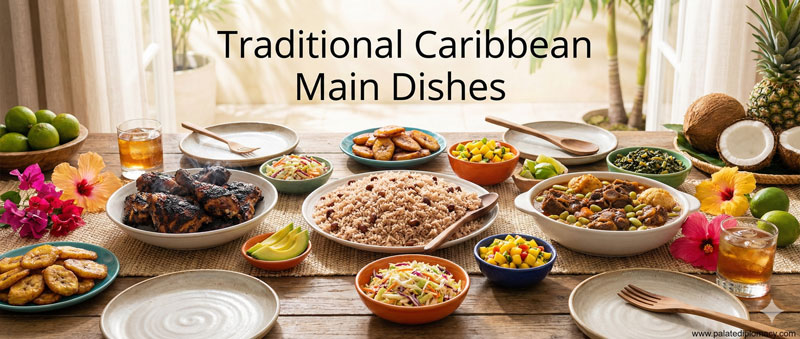
Creamy yellow ackee against delicate pink saltfish creates an inviting contrast. The dish often features red accents from pepper and chopped herbs. The texture is rich but light, with the saltfish providing savory bites that lift the creamy fruits. Serve with rice and peas, boiled dumplings, or sliced ripe plantains for A Complete plate.
Preparation rhythm and care
Saltfish is soaked to reduce excess salt, then simmered briefly to soften and flake. Ackee is added near the end and warmed through to maintain its creamy consistency. The timing matters: fold the ackee gently and avoid vigorous stirring. This careful approach keeps each element distinct and harmonious.
Regional twists and variations
Across the Caribbean, cooks bring personal touches to the core pairing of ackee and saltfish. In Jamaica, thyme and pimento often accompany a brighter, pepper-forward profile. Some kitchens use a hint of tomato for sweetness, while others emphasize a crisp sauté of onions and peppers first. The dish remains adaptable, with flavors that reflect local pantry staples and preferences, while preserving the comforting harmony of the two main ingredients.
Serving occasions and pairings
Ackee and saltfish shines as a hearty weekend breakfast, a festive brunch, or a comforting weeknight meal. It pairs well with rice and peas, boiled green bananas, or fried dumplings. A squeeze of lime or a few fresh herbs brighten the plate and balance the richness. A cool fruit juice or a light, refreshing beverage complements the dish beautifully.
Cultural value and significance
The dish is a symbol of home cooking and shared meals. It travels through kitchens and markets as a familiar, comforting flavor. Many families pass down the recipe, adding memories with each serving. It anchors weekend breakfasts and community gatherings, inviting neighbors to the table. The simple act of preparing ackee and saltfish carries warmth and pride, strengthening the sense of place in Caribbean kitchens.
Conclusion
Ackee and saltfish stands as a bright, beloved expression of Caribbean cuisine. Its creamy texture, savory balance, and fragrant aroma invite curiosity and appreciation. By savoring this dish, you join a long tradition of cooks who celebrate flavor, family, and community together.