
Introduction: A Beloved Caribbean Staple
Oxtail Stew is a cherished dish across Caribbean kitchens. It invites everyone to gather, share, and savor. The pot slow-simmers with care, turning humble ingredients into a comforting, flavorful experience. Locals value this stew for its warmth, its depth, and the way it brings people together around the table.
Culinary Significance: Flavor, Texture, and Technique
The richness of oxtail stew comes from patience and technique. The meat braises until it becomes tender and almost melts on the tongue. The tail’s marrow adds a silky, velvety texture to the sauce. Aromatic spices and aromatics—such as thyme, scallions, garlic, and allspice—build a vivid, balanced flavor. Browning the meat first creates a deep, caramelized base. Then the liquid pool—often a mix of stock and tomatoes—reduces to a glossy, savor-filled sauce. The result is a dish that showcases the careful craft of slow cooking and the beauty of layer upon layer of seasoning.
Cultural Value at the Table: Shared Meals and Warm Hospitality
Oxtail stew shines in moments of togetherness. Families prepare it for weekend gatherings, Sunday feasts, and friendly get-togethers. The cooking ritual becomes a shared project, with multiple generations pitching in—from trimming the meat to stirring the pot. The aroma travels through rooms and yards, inviting neighbors to join in. Serving such a dish signals care, hospitality, and respect for those who gather. In this way, oxtail stew acts as a cultural thread, weaving connection and comfort into daily life.
Regional Variations: Jamaica, Barbados, Trinidad and Tobago
Across the Caribbean, cooks adapt the recipe to local tastes. In Jamaica, you may find a bold kick from peppers and a nod to allspice that brightens the sauce. Barbados often emphasizes a smoother sauce with gentle spice and a touch of sweetness. Trinidad and Tobago might introduce brighter herbs and a lively spice blend that keeps the dish vibrant. Across these places, the core idea stays the same: slow braise, rich aroma, and a heartening, satisfying finish. The variations celebrate regional produce, herbs, and preferred heat levels, all while preserving the dish’s soul.
Cooking Techniques: Slow Simmer, Searing, and Sauce Mastery
A successful oxtail stew starts with searing the pieces to develop color and depth. Then comes slow simmering, which allows the meat to yield and the marrow to enrich the sauce. Natural gelatin from the tail helps the finished dish cling to the spoon with a luxurious coat. Gentle reduction concentrates flavors, while herbs and spices bloom in the steam. If time is tight, a pressure cooker can shorten the cooking window while still delivering tenderness. Regardless of method, the key is steady heat, patient cooking, and careful tasting.
Sensory Experience: Aroma, Texture, and Comfort
As soon as the pot opens, the kitchen fills with a warm, spiced aroma. The meat yields to a fork with minimal effort, and the sauce coats each bite with a glossy gloss. The combination of tender meat, soft beans or vegetables, and a savory-tavored broth creates a comforting texture that feels Like a welcome hug. This sensory richness explains why oxtail stew remains a favorite during many cheerful and quiet moments alike.
Pairings and Serving: Sides that Elevate the Dish
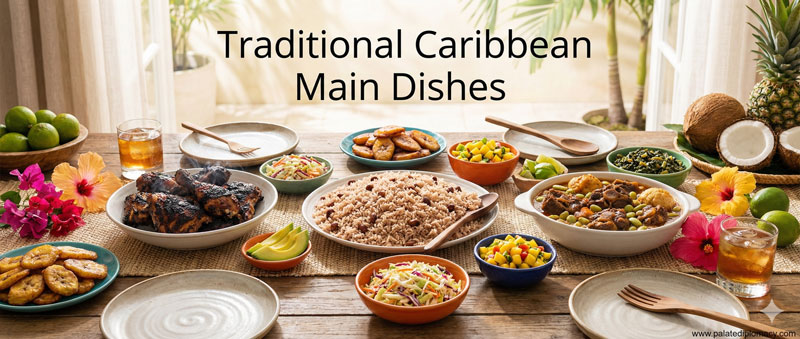
Serve oxtail stew with sides that complement its richness. Classic options include rice and peas or plain white rice to soak up the sauce. Dumplings, fried plantains, or roasted breadfruit add variety and texture. A simple, fresh salad can balance the heaviness, while a cool drink or a light juice refreshes the palate between bites. The right accompaniments enhance the stew’s presence without overpowering it.
Conclusion: A Dish That Celebrates Flavor and Community
Top Reasons Caribbean Locals Love Oxtail Stew lie in its depth, its tenderness, and its ability to bring people together. It honors careful technique, celebrates regional tastes, and invites conversation around a shared table. This dish stands as a testament to the beauty of slow cooking, the joy of gathering, and the timeless appeal of a pot that nourishes both body and spirit.