
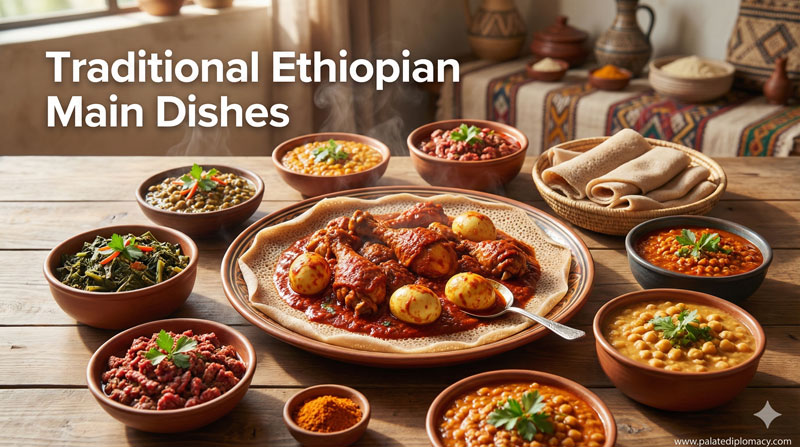
Dulet is more than a dish in Ethiopia; it is a quiet ceremony of taste, sharing, and memory. It brings together families, friends, and neighbors around a single plate. This post explores What Makes Dulet So Special in Ethiopia by focusing on its cultural value and culinary significance. The goal is to invite you into the warmth of a Ethiopian kitchen where every bite tells a story of community and craft.
What Dulet Is and Why It Shines
Dulet is a finely chopped meat dish that centers on offal—liver, heart, and other parts of the animal. It is mixed with onions, garlic, peppers, and spices, then gently cooked until it glows with a savory aroma. The preparation highlights balance: the richness of the meat meets bright onions and pepper heat, tempered by spices and, often, a touch of clarified butter. The result is a robust, savory dish that carries depth from slow, attentive cooking. Dulet stands out because it respects ingredients that might otherwise be set aside, turning them into a dish of comfort and pride. In every bite, you sense restraint, precision, and care—the hallmarks of Ethiopian home cooking.
A Song of Shared Tables
In Ethiopian households and markets, dulet acts as a bridge between kitchen and table. It is commonly served with injera, the sour flatbread that soaks up sauces and juices. The act of sharing dulet reinforces hospitality; guests are welcomed with warmth, and conversations flow as the plate circulates. This sense of gathering—around a single platter, with everyone dipping and tasting together—embodies a culture that values generosity and connection. Dulet invites people to slow down, listen to one another, and savor the moment in a calm, friendly pace.
The Craft Behind Dulet
The magic of dulet lies in its technique. Chefs chop the offal finely, then fold it with onions and spices to release fragrance and flavor. A careful sauté tempers the ingredients, so the dish remains tender rather than mushy. Spices such as berbere or other regional blends bring warmth, while a touch of niter kibbeh adds a velvety richness. The process requires patience: steady heat, gentle stirring, and a balance that avoids overcooking. The result is a dish that carries both the minerally kiss of organ meats and the bright lift of aromatics. This craft reflects a tradition of skill passed down through generations, taught in homes and refined in community kitchens.
The Senses: Aroma, Texture, and Flavor
Dulet delights the senses in multiple ways. The aroma is inviting—onions caramelized to sweetness, spices waking the air, and butter lending a silky sheen. The texture offers contrast: the tender, finely chopped meat against the slight chew of organs, complemented by the softness of onions. The flavor carries a gentle heat, a savory depth, and a lingering savor that invites another bite. This sensory profile makes dulet a memorable centerpiece during meals and a comfort dish that many Ethiopians return to with fond familiarity.
Dulet on the Table: Occasions and Everyday Life
Dulet lives in both daily meals and special moments. In everyday dining, it can be a quick, hearty plate shared after work or on market days when neighbors catch up over a warm dish. In more festive settings, dulet lends a sense of ceremony to the gathering, adding richness to the table alongside injera and other beloved dishes. Its presence signals welcome and care, a signal that guests are valued. The dish also reflects gratitude for living with abundance and resourcefulness, turning every part of the animal into a dish that nourishes and honors the cook’s effort.
A Culture of Resourcefulness and Respect
Dulet embodies a philosophy of resourcefulness. By using offal and other parts that might be overlooked, the dish honors every ingredient and the animals they come from. This practice echoes a broader value in Ethiopian cooking: take time to build flavor, treat food with respect, and share generously. The preparation is often a collaborative effort, with family members contributing ideas, textures, and timing. In this way, dulet reinforces social cohesion and a practical, joyful approach to cooking.
The Beauty of Ethiopian Culinary Identity
What makes dulet truly special is its role in the broader tapestry of Ethiopian Cuisine. It showcases how simple ingredients, thoughtfully prepared, can become a dish that carries memory, identity, and warmth. Dulet’s popularity across regions reflects a shared culinary language that speaks of hospitality, family, and pride in skilled cooking. Each bite offers a doorway into Ethiopian food culture, inviting you to appreciate a tradition that values flavor, balance, and community.
Conclusion: Dulet as a Living Tradition
Dulet stands as a living tradition on Ethiopian tables. It invites curiosity, welcomes guests, and celebrates the craft of cooking. By honoring offal with care and presenting it with generosity, the dish becomes more than sustenance—it becomes a ritual of connection and a daily reminder of the beauty found in shared meals. In Ethiopia, dulet is not just food; it is a friendly invitation to pause, taste, and celebrate togetherness.