
Why Egusi Soup Is One of Nigeria’s Most Loved Dishes
Egusi soup holds a cherished spot in Nigerian cuisine. It shines because of its nutty aroma, rich texture, and the joy it brings to meals shared with family and friends. This dish celebrates skill, patience, and heartful flavor. It is inviting, comforting, and deeply rooted in everyday life.
What Is Egusi Soup?
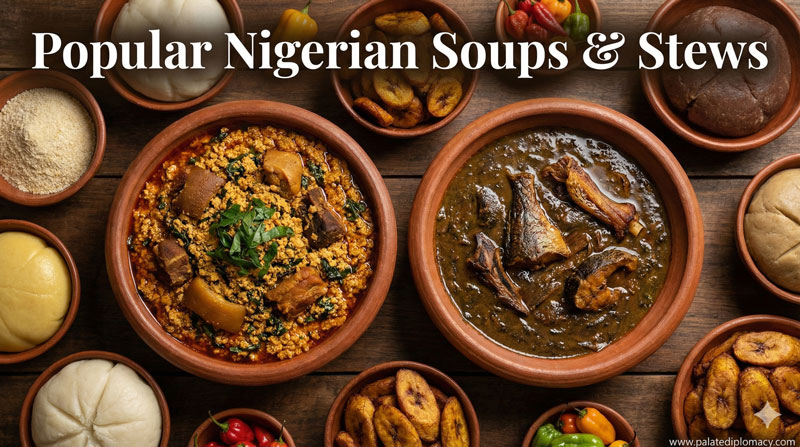
Egusi soup is a traditional Nigerian dish made with ground melon seeds, known as egusi. The seeds blend into a thick, velvety sauce. The base combines palm oil, onions, and peppers for warmth and brightness. Meat or fish joins the pot, along with leafy greens such as spinach, bitterleaf, or pumpkin leaves. The result is a dish that glows with color, fragrance, and a satisfying body.
Core Ingredients and Techniques
The core ingredient, egusi seeds, is ground to a coarse or fine texture. The seeds are often prepared with a hot oil tempering to bloom their aroma. Stock or water forms the soup’s body, while palm oil adds a distinctive red-gold sheen. Meat such as beef, goat, or chicken flavors the broth, and dried fish or stockfish adds depth. Leafy greens finish the dish with a fresh, bright note. The technique centers on layering flavors: bloom the aromatics, simmer the proteins, then fold in the egusi mixture to thicken the sauce. Finally, stir in greens to brighten the plate. The result is a balanced, comforting sauce that clings to fufu, yam, or garri.
Cultural Significance and Traditions
Egusi soup is more than a meal; it is a symbol of togetherness. Families gather to prepare it, often turning cooking into a shared ritual. The recipe travels through generations, with practical tweaks from region to region. In some homes, a simmering pot signals a welcome to guests. In others, a Sunday family meal centers the day around this fragrant dish. The dish is adaptable, reflecting the skill and generosity of the cook. It invites visitors to taste and honor the care poured into each step.
Flavor Profile and Serving Traditions
Expect a nutty, creamy body with a savory depth. Palm oil lends a warm, slightly fruity note, while peppers add gentle heat. The egusi provides texture and a subtle sweetness that pairs beautifully with greens. People usually serve egusi soup with starchy sides such as pounded yam, fufu, garri, or eba. A light pepper sauce on the side often complements the richness. Each bite offers comfort, resonance, and satisfaction.
Egusi in Everyday Life
In everyday Nigerian life, egusi soup appears on many tables. It appears in quick weekday meals and in larger gatherings. Home cooks adapt the recipe to the season, using available greens and proteins. Leftovers become part of a new dish, or are simply enjoyed as a hearty meal the next day. The dish’s versatility helps it stay relevant and loved, from bustling kitchens to quiet weekend moments.
Healthful Qualities and Comfort
Egusi seeds bring protein and healthy fats to the plate. Leafy greens supply vitamins and minerals. The dish balances richness with freshness, providing energy and warmth. The method of slow simmering and careful layering preserves nutritional value while delivering comfort and flavor.
How to Enjoy and Pairings
To enjoy egusi soup fully, pair it with a starchy base like pounded yam, fufu, or garri. A small bowl of broth on the side can be delightful for dipping. Add a few greens to each bite for contrast. Friends and family often savor egusi with gentle conversation, letting the flavors unfold with every mouthful. The dish shines as a celebration of home-cooked care and Nigerian culinary craft.
Conclusion
Egusi soup embodies the beauty of Nigerian cooking. Its nutty body, vibrant color, and flexible ingredients invite warmth and sharing. This traditional dish mirrors how food can unite people, celebrate skill, and elevate everyday meals. When you taste egusi soup, you taste a piece of Nigerian culture—rich, welcoming, and endlessly inspiring.