
Top Reasons Ethiopians Love Doro Wat
Doro Wat is more than a meal. It is a celebration of flavors, craft, and togetherness. This post highlights its cultural value and culinary significance, inviting you to savor what Ethiopians cherish at the table.
The Heart of Home Cooking
Doro Wat sits at the center of family kitchens. The dish grows from patient, quiet work and careful timing. Home cooks pass down tips for the onion base, the spice balance, and the final simmer. In every kitchen, Doro Wat tells a story of hospitality and warmth. The result is a comforting aroma that welcomes everyone to the table.
Layered Flavors Forever Blooming
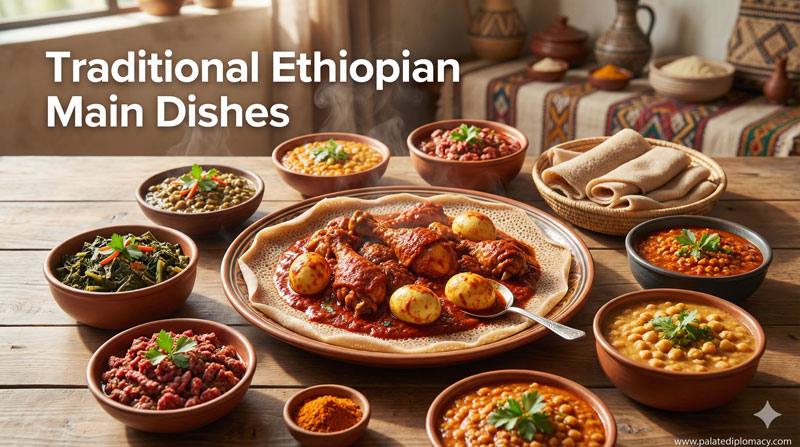
The sauce builds in layers. First comes the onion sweetness, slowly reduced to a deep, glossy base. Then spices wake up—garlic, ginger, and berbere mingle with ghee or oil. The chicken absorbs this warmth, becoming tender and richly flavored. Each bite carries a memory of time spent preparing a shared meal. The process honors patience and care, values Ethiopian families hold dear.
Berbere and Niter Kibbeh: The Spice Story
Berbere gives Doro Wat its signature zing. It blends chili, coriander, fenugreek, cloves, and other spices until the aroma is bright and inviting. Niter kibbeh, a spiced clarified butter, enriches the sauce with a silky depth. Together, they create a sauce that is both bold and comforting. This combination is a hallmark of Ethiopian cooking, showing how spice can elevate simple ingredients to ceremony.
The Egg: A Simple, Nourishing Touch
Boiled eggs often appear in Doro Wat. They are tender, slightly marbled by the sauce, and ready to share. The eggs symbolize nourishment and generosity at the table. They invite guests to dip and savor, turning a meal into a moment of communal eating.
Injera: The Perfect Partner
Injera, the sour flatbread made from teff flour, is more than a plate. People tear pieces of injera and use them to scoop the stew. This practice transforms eating into a hands-on ritual. The texture and tang of injera complement the heat and richness of Doro Wat. The pairing is emblematic of Ethiopian culinary identity.
A Dish for Gatherings and Celebrations
Doro Wat shines during gatherings, festivals, and family meals. It brings people together with its shared portions and inviting aroma. The act of serving and sharing reinforces bonds. In these moments, the dish becomes a centerpiece of togetherness and joy.
Regional Touches and Personal Craft
Across regions, cooks adapt Doro Wat with local twists. Some use variations of spice blends, different herbs, or slight changes in cooking time. Yet the core remains the same: a fragrant, deeply flavored sauce carried by pieces of chicken. This adaptability shows the dish’s enduring relevance and its place in diverse Ethiopian food culture.
Craft and Care: Respect for the Recipe
Many cooks treat Doro Wat as a cherished recipe to preserve. They honor cleanup, mise en place, and timing to keep the flavors true. In doing so, they respect the tradition and the people who taught them. The result is a dish that stays vibrant through generations.
A Warm Invitation to Explore Ethiopian Cuisine
If you seek a dish that embodies hospitality, family, and thoughtful craft, Doro Wat invites you in. Its aroma, texture, and balance tell a story of care and culture. Taste becomes a doorway to understanding how Ethiopian food honors community, craft, and shared joy.