
Top Reasons Ethiopians Love Injera
Injera holds a special place at many tables in Ethiopia. This sour flatbread is more than food; it acts as a plate, a utensil, and a shared experience. In this post, we explore the cultural value and culinary significance of injera, especially why Ethiopians love it so deeply.
A Table That Feels Like Home
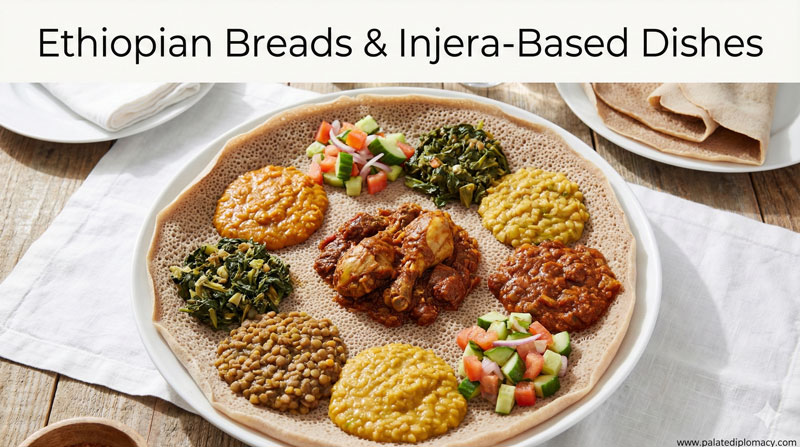
At the center of the meal, injera anchors the table. People tear pieces and pass them with care. The shared bread becomes a natural utensil for every bite. Stews rest on the bread, and flavors mingle smoothly. This simple act creates a sense of belonging that goes beyond taste.
The Shared Plate, Shared Hospitality
Meals link generations and neighbors. Everyone gathers around the same sheet of injera. Hosts offer generous portions and invite smiles. The practice expresses hospitality without shouting. Shared bread makes strangers feel welcome and friends feel close.
The Texture That Tells a Story
Injera is porous and soft. The surface swells with tiny air pockets as it cooks. This texture soaks up rich sauces without breaking. The tanginess from fermentation adds depth. Each bite feels light, but full of character.
Teff: A Grain with Deep Roots
Teff seeds are tiny, yet they carry a lot of history. Ethiopians favor teff for its strength and nutrition. The flour can be mixed with other grains for balance. This grain links farming, family, and table in daily life. People celebrate teff with pride as a staple that supports culture.
Fermentation: A Time-Honored Craft
Fermentation makes injera glow with flavor. The batter rests for hours or days, depending on tradition. The process creates a gentle sour note that balances spices. Fermentation connects cooks across generations. This craft shows patience and care on every batch.
Pairings and Menu: How Injera Elevates Dishes
Injera carries bold flavors through its bread. Lentil stews, called misir wat, balance spice with tang. Chicken or beef stews, like Doro Wat, cling to the bread. Vegetables and legumes soak up sauce beautifully. The pairing highlights the richness of Ethiopian Cuisine.
The Hospitality Link: Welcoming Guests with Bread
Injera signals warmth when placed on the table. The host’s generous serving invites participation and conversation. Guests respond with gratitude through shared bites. The bread becomes a bridge between stories and meals. Hospitality shines in the simple act of serving injera.
The Ritual of Serving and Eating
The meal begins with the host offering the first pieces. People tear the bread with their hands and take a piece for themselves. Sauce is picked up with the injera, not with utensils. Clean-up comes as the last crumbs are eaten. The ritual honors effort, care, and community.
Regional Variations: Subtle Yet Distinct
Different regions shape injera with varied textures and smells. Some use blends of teff with other grains for softer bread. Brown and pale injera show local preferences. Fermentation times vary, producing brighter tang or milder notes. These differences celebrate local pride while keeping a shared thread.
A Living Tradition: Pride in Every Batch
Families keep old recipes and welcome new cooks. Bakers and home kitchens pass technique from one generation to the next. Eateries honor tradition with consistent practice. Injera remains a symbol of identity and continuity. The dish continues to inspire joy around every table.