
Top Reasons Ethiopians Love Kitfo
Kitfo is more than a dish. It is a warm invitation to a shared table. The preparation reflects skill, care, and hospitality. Ethiopians love kitfo for its bold flavor and its balance of spice and fat. The dish tells a story of ingredients meeting tradition. Each bite links history with present-day gatherings. It feels both ceremonial and everyday.
A Dance of Flavors: Ingredients and Technique
The core elements are minced beef, niter kibbeh (spiced clarified butter), and mitmita (a chile-based spice blend). Butter is clarified to release a bright, fragrant aroma. The beef is ground finely for a smooth texture. Mitmita brings heat and depth, while niter kibbeh adds a rich, toasty note. Some cooks fold in gentle aromatics like cardamom or clove to lift the profile. The result is a glowing, ruby-hued meat with a warm, inviting scent. This harmony of fat, heat, and spice is the heart of the dish.
The Shared Table: Culture of Communal Eating
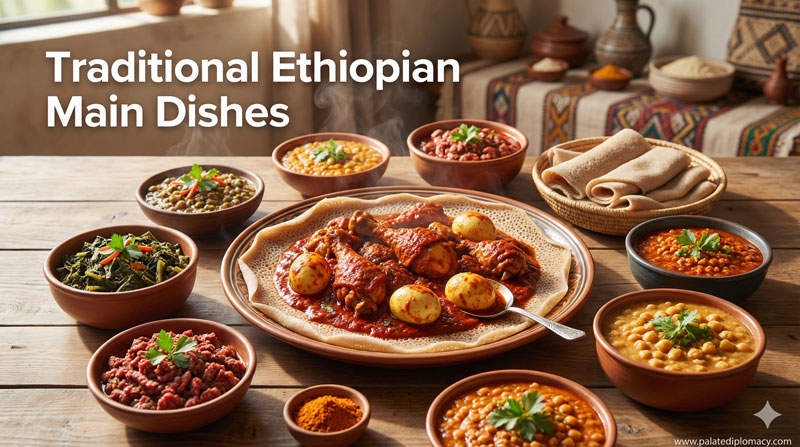
Kitfo shines at the table, where injera serves as both plate and utensil. Diners tear a piece of injera and scoop the meat. The table becomes a circle of conversation, laughter, and care. Sharing kitfo reinforces hospitality and respect. Ayib (a soft cheese) and gomen (collard greens) often accompany it, adding tang and balance. The meal invites participation, not spectatorship, making everyone part of the experience.
Texture and Experience: A Textural Symphony
The texture is part of the song kitfo sings. Raw or barely warmed meat yields a tender, silky bite. The fat from niter kibbeh carries a nutty range of notes. The spice’s warmth lingers pleasantly without overwhelming the palate. Injera beneath adds a gentle acidity and softness that contrasts with the meat. The result is a coordinated balance: bright, comforting, and precise in its execution.
Serving Traditions and Variations
Kitfo is commonly presented with injera, ayib, and gomen. Some households offer a variation where the meat is lightly warmed rather than fully raw, delivering a different, still vibrant, texture. Onions, fresh herbs, and a touch of extra mitmita may appear, depending on family tradition and the occasion. Regardless of the version, the emphasis stays on harmony: clean beef, fragrant butter, and a shared moment around the table.
Kitfo in Ethiopian Culture: Everyday Rituals and Festive Moments
In daily life, kitfo expresses care and skill. Families pass down trusted techniques, teaching younger cooks How to balance spice, fat, and texture. On festive days, kitfo becomes a centerpiece that unites relatives and friends. The dish embodies generosity, patience, and pride in local ingredients. Its enduring appeal lies in how it honors simple ingredients while elevating them through craft and community.
A Warm Invitation: Why Kitfo Welcomes the Senses
Kitfo invites the senses to slow down and savor. It showcases Ethiopian ingredients at their best and invites conversation at the table. The dish’s beauty rests in its clarity of purpose: a well-made blend that respects tradition while inviting personal touches. For anyone curious about Ethiopian Cuisine, kitfo offers a heartfelt introduction to flavor, technique, and togetherness.