
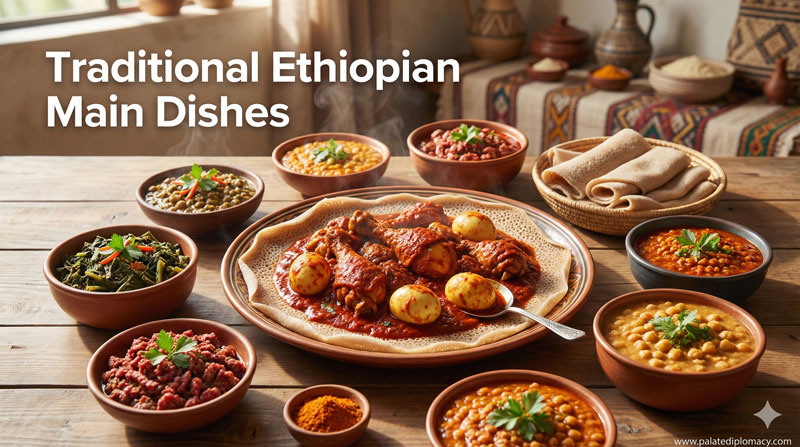
Minchet Abish is more than a dish. It is a thread that weaves together flavor, family, and everyday life in Ethiopia. This post highlights the cultural value and culinary significance of Minchet Abish. It shows why many Ethiopians greet the kitchen with anticipation when this dish finishes in the pan. The goal is to share why this recipe matters, in a way that is inviting and respectful.
What is Minchet Abish?
Minchet Abish is a Traditional Ethiopian preparation of minced meat. Beef is most common, though lamb or goat can be used. The meat is cooked with a flavorful base of onions, garlic, and sometimes ginger. It finishes with a kiss of spiced butter, known as niter kibbeh, and bright seasonings such as berbere or mitmita. The result is a tender, aromatic dish that pairs perfectly with injera. In many homes, it appears on the table at mealtime as a comforting, satisfying staple.
A Dish Rooted in Ethiopian Hospitality
Hospitality shines through Minchet Abish. Families welcome guests with the aroma of sautéed onions and warming spices. Sharing food is a daily act, not just a special occasion. Cooked in a communal spirit, the dish invites conversation, laughter, and togetherness. The act of serving and eating together reinforces bonds that last beyond a single meal. In this way, Minchet Abish becomes a symbol of warmth and welcome.
Core Ingredients and Preparation
The base builds flavor quickly. Start with onions, cooked until soft and lightly caramelized. Add minced meat and let it brown evenly. Garlic and sometimes ginger bring brightness and depth. Spices such as berbere or mitmita provide gentle heat and fragrance. A splash of water or stock keeps the meat juicy. Finish with niter kibbeh to add a velvety richness. The method is straightforward, but the result feels layered and festive.
The Flavor Profile: Aromas and Textures
The first scent is sweet onion mingling with butter. Then comes the earthy warmth of spices. The meat remains tender, absorbing the spice without overpowering the palate. The texture blends the smoothness of the sauce with the bite of the minced meat. Each bite carries a balance of comfort and brightness. The overall experience is inviting and comforting, ideal for shared meals.
Shared Meals, Belonging, and Daily Life
Minchet Abish often graces daily meals, family Sundays, and gatherings with neighbors. It demonstrates how food anchors routine and celebration alike. People learn and pass down tips—from how long to simmer the meat to How to balance spice and richness. These small choices become part of a family’s culinary story. The dish helps communities celebrate ordinary days with a sense of occasion.
Serving Traditions and Etiquette
Injera serves as the perfect partner. A torn piece of injera scoops up the minced meat, carrying a little sauce to the mouth. Diners often take communal bites, a sign of sharing and closeness. It is common to pace the meal, savoring the scent and texture before moving to the next bite. Clear, friendly conversations accompany the cooking and eating. These practices honor the spirit of hospitality that Minchet Abish embodies.
Preserving Heritage and Embracing Modern Flavors
Today, families honor tradition by using familiar ingredients like niter kibbeh and berbere. They also adapt to modern kitchens with skillets, timers, and new cookware, while keeping core flavors intact. Some cooks explore small adjustments, such as milder spice levels or extra herbs, to suit different tastes. Yet the essence remains: Minchet Abish is a celebration of Ethiopian cooking craft. It stands as a living bridge between generations, inviting all to taste and learn.
Minchet Abish invites us to listen for the sizzling onions, to notice how butter coats the meat, and to feel the warmth that fills a home. It is a dish of belonging, of craft, and of shared joy. By savoring its flavors, we also honor a rich food culture that values generosity, family, and everyday wonder. If you explore Ethiopian Cuisine, Minchet Abish offers a delicious doorway to its heart.