
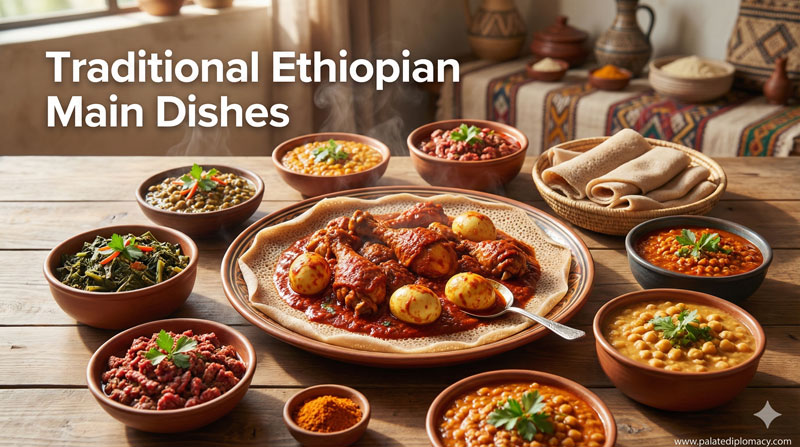
Welcome to Minchet Abish: A Dish of Ethiopian Heart
Minchet Abish is a beloved Ethiopian dish that shines in home kitchens and on small cafe menus alike. It centers on finely minced meat cooked with a fragrant trio of aromatics and a touch of clarified butter. The result is a sauce that glows with warmth, ease, and a depth that invites conversation and sharing. This dish sits at the heart of everyday meals as well as special gatherings, and it pairs beautifully with injera, the soft, sour flatbread that commonly accompanies Ethiopian food. The pairing creates a meal that feels Like a warm welcome, a small ceremony of taste, and a moment to savor together.
The Top Reasons Ethiopians Love Minchet Abish
- Rich, balanced flavor. The minced meat mingles with onions, garlic, and ginger, lifted by a careful blend of spices and clarified butter for a comforting, bright depth.
- A dish of hospitality. The recipe arrives at the table with a sense of welcome, signaling that guests are cared for and meals are shared.
- Textural harmony. Tender meat, silky sauce, and the tang of injera create a satisfying mouthfeel that keeps the flavor moving from bite to bite.
- Simplicity with refinement. The method is accessible, yet careful attention to timing and balance elevates the dish to something distinctly celebratory.
- Aromatic generosity. The kitchen fills with a scent that speaks of home and careful preparation, inviting people to gather and listen to stories.
- Versatility in heat and richness. Home cooks adjust spice levels and butter so the dish suits many palates without losing its essence.
- A canvas for regional nuance. Subtle regional touches—varying spice blends, herbs, or meat choice—keep the dish lively across settings.
The Flavor Map: Ingredients and Techniques
Minchet Abish rests on a few core components. Finely minced beef (or lamb) forms the base, delivering a delicate texture that holds sauce well. Onions provide sweetness and a sturdy backbone, while garlic and ginger add bright, peppery notes. A carefully chosen spice blend—often featuring berbere or mitmita—gives warmth without overpowering the meat. A touch of clarified butter, sometimes called niter kibbeh, lends a nutty richness that unifies the flavors. Tomatoes may appear in some regional versions, adding a whisper of acidity that helps balance fat and spice. The dish is cooked low and steady, letting the meat release its juices while the spices bloom in the fat. The finish is a glossy, inviting sauce that clings to the minced meat and welcomes a bite with injera.
Texture, Aroma, and Color: What Makes It Special
The texture is the first delight: soft, almost velvety meat that holds together in small, flavorful bites. The sauce coats each piece, keeping the meat juicy and fragrant. The aroma blends onion sweetness with garlic, ginger, and a chorus of spices. The color—deep amber with hints of red from the spices—signals warmth and satisfaction. This combination of texture, scent, and hue makes Minchet Abish instantly recognizable and deeply comforting.
Serving Traditions: Injera as Plate and Partner
Traditionally, injera serves as both plate and utensil. A portion of Minchet Abish sits atop a large piece of injera, which is torn into bite-sized portions and used to scoop up meat and sauce. The result is a communal, tactile dining experience that emphasizes sharing and connection. The bread’s tangy brightness complements the richness of the meat and spices, creating a balanced, satisfying meal. The practice of eating with injera also invites gentle slows, as people take time to savor flavors and linger over conversation.
Regional Nuances: Small Differences, Shared Love
Across regions, Minchet Abish adapts to local tastes and ingredients. Some kitchens favor a slightly hotter spice blend, letting mitmita carry a citrusy kick. Others emphasize a longer simmer to deepen the meat’s sweetness and sauce thickness. While beef is common, cooks may use lamb or other meats where available, bringing subtle shifts in texture and aroma. These variations keep the dish vivid while preserving its core character: minced meat, warm spices, and a buttery gleam that signals hospitality.
A Dish of Hospitality: Social Value at the Table
Minchet Abish embodies a generous spirit. It is a dish prepared with care, shared with guests, and enjoyed in the company of family and friends. The act of cooking for others, and of serving a portion atop injera, communicates welcome and respect. In this way, the dish contributes to a sense of belonging and daily warmth that enriches Ethiopian food culture.
Pairings and Occasions: Making Meals Memorable
Pair Minchet Abish with a simple injera-led meal and a fresh salad of seasonal vegetables for balance. A light Ethiopian coffee or tea can follow, rounding out the dining experience with a moment of calm and reflection. The dish fits both everyday dinners and celebratory meals, making it a versatile staple that can anchor a family table or a friendly gathering.
Final Thoughts: Celebrating a Cultural Taste
Minchet Abish offers a window into Ethiopian culinary craft. It showcases balance—between fat and spice, between meat and bread, between warmth and brightness. It tells a story of care, sharing, and the joy of a table where everyone is welcomed. By exploring its flavors and the way it brings people together, we celebrate a dish that is both simple in its roots and rich in its cultural expression.