
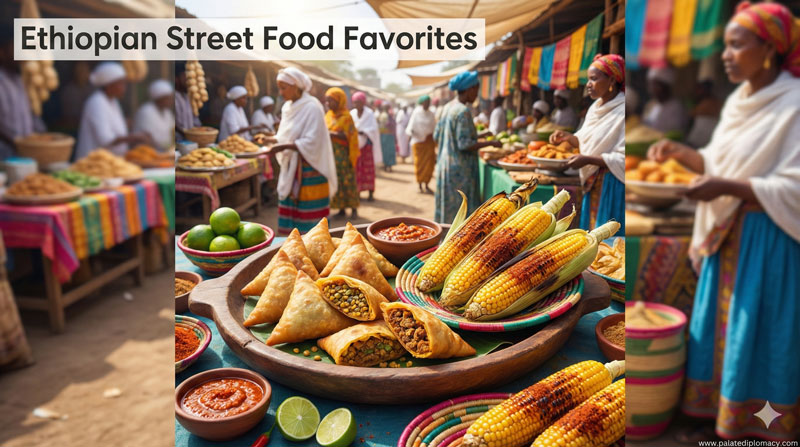
Sambusa, a crisp, triangular pastry, holds a charming place in Ethiopian kitchens and markets. It travels easily from a bustling street stall to a quiet home kitchen, always carrying a warm welcome with it. This dish is more than food; it is part of daily life, a small ritual that brings people together through scent, texture, and shared bites.
The essence of sambusa in Ethiopian culture
In Ethiopia, sambusa embodies simplicity and generosity. The pastry encases a filling that ranges from savory meat to hearty lentils, each bite offering a balance of spice, aroma, and warmth. The act of preparing and sharing sambusa connects generations, inviting stories and smiles as people gather around a table or stand at a stall. The triangular shape is a familiar invitation to nibble, to slow down, and to savor a moment of togetherness.
A symbol of sharing and hospitality
Hospitality is a cornerstone of Ethiopian life, and sambusa is a natural ambassador of that spirit. When guests arrive, a plate of sambusa signals care and abundance. Families often keep a batch ready for spontaneous visitors, so a fresh platter can brighten an ordinary afternoon. The dish travels well from home to gatherings, maintaining its crisp edge and fragrant center. In this way, sambusa becomes a bridge between meals, conversations, and the shared joy of good company.
Flavor and texture speak a regional palate
The flavor profile of sambusa tells a story of spice and balance. The outer crust crackles with a light, golden bite, while the filling offers warmth and depth. Common fillings combine tender meat or fragrant lentils with onions, garlic, and a gentle spice blend that can include cumin, coriander, and a hint of chili. Some versions embrace berbere for a deeper glow, while others lean toward a milder, herb-forward profile. The result is a comforting harmony: crisp exterior, moist interior, and a perfume that lingers invitingly. This culinary language speaks to the love of bold yet approachable flavors that Ethiopians celebrate in many dishes.
Varieties and regional twists
Across regions and households, sambusa adapts to local tastes and seasonal ingredients. Meat fillings often feature ground beef or lamb, seasoned with garlic, onion, and spices that wake the senses without overpowering the core flavors. Lentil and vegetable versions offer a vegetarian option that remains festive and nourishing. Some cooks fold in finely chopped greens, peas, or carrots for color and balance. The dough itself can be thin and delicate or slightly sturdier for extra crunch. These variations showcase a shared craft that honors individual families while preserving a common love for this beloved snack.
Sambusa at celebrations and daily life
Sambusa fits neatly into both everyday meals and special occasions. It appears as a lively street treat during markets and fairs, a favored bite at weddings, and a comforting snack during home gatherings. It pairs beautifully with beverages and with the warmth of tea or strong coffee, which are often enjoyed side by side with savory bites. In many households, sambusa is prepared ahead of time, then shared as a courteous gesture when friends or neighbors drop by. This adaptability—being both casual and celebratory—helps explain why sambusa remains so deeply rooted in Ethiopian food culture.
Craft and technique
Making sambusa is a quiet craft that invites patience and care. The dough is rolled thin enough to be tender, yet strong enough to hold a generous filling. The filling is seasoned in layers, allowing each ingredient to contribute aroma and texture. The edges are sealed with a light paste, ensuring the filling remains in place during frying. Finally, the pastries are fried until the outside turns a warm, inviting gold. The result is a parcel of flavor that invites a second bite and a third, as the senses appreciate the crisp shell and the spiced center.
Serving and pairing traditions
Traditionally, sambusa is served as a shared dish, positioned at the center of a table so everyone can take a piece. A simple dip or sauce, such as a pepper blend or a tangy herb sauce, often accompanies the pastry, enhancing its brightness without masking the filling. The balance between a crisp shell and a soft interior makes it a versatile companion to many Ethiopian staples, from tangy stews to a bright yogurt drizzle. These pairings highlight the dish’s ability to elevate a meal while staying approachable and welcoming.
Why Ethiopians love sambusa
First, the dish embodies hospitality and generosity. Second, its flavor and texture offer a satisfying, comforting experience. Third, the various fillings and dough styles invite personal expression while preserving a shared tradition. Fourth, sambusa travels well within homes, markets, and gatherings, making it a dependable symbol of community. Finally, its role in celebrations and daily life shows how food can carry memory, warmth, and a sense of belonging.
A closing reflection
Sambusa stands as a celebration of Ethiopian culinary heritage. It is a small bite with a big heart, inviting people to connect through scent, taste, and shared moments. For anyone curious about Ethiopian food culture, sambusa offers a tasty introduction to the rhythm of daily life—where flavor, craft, and generosity meet in a single, delightful triangular package.