
Top Reasons Ethiopians Love Sambusa
Sambusa is a small, triangular pastry that carries big meaning in Ethiopian kitchens and markets. It solos as a tasty snack, yet it also participates in many meals and moments. The dish blends a delicate, flaky shell with a warmly seasoned filling, and it travels easily from street stalls to family gatherings. Ethiopians value Sambusa for its balance of texture, aroma, and heart—the way a simple bite can spark conversation and a sense of belonging.
The Craft: How Sambusa Is Made
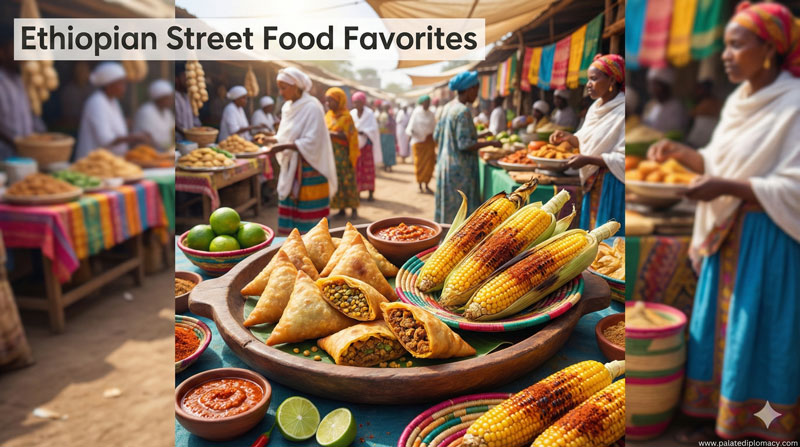
The dough is rolled thin and folded with care, then filled with ingredients that reflect local preferences. Common fillings include spiced ground beef or lamb, onions, garlic, and ginger, all brightened by cumin, coriander, and sometimes berbere. Vegetarian versions feature lentils or mashed potatoes with peppers and herbs. The shape is typically triangular, a form that feels inviting and easy to handle. The pastries are fried to a crisp gold, giving a satisfying crunch that releases a gentle aroma of spices with each bite. Some cooks finish them with a light brush of oil or a touch of butter to deepen the sheen and flavor. The result is a snack that feels both everyday and special, made with simple pantry staples and a little shared skill.
A Symbol of Hospitality and Everyday Joy
Sambusa sits at the table as a symbol of welcome. When guests arrive, a platter of Sambusa often appears beside tea or coffee, inviting someone to linger a moment longer. The dish is approachable in both home kitchens and community gatherings, and it travels well from one setting to another. In this way, Sambusa reinforces a cultural rhythm: take a moment to share food, notice the aroma, and enjoy a small, comforting bite together. Its presence signals warmth, attentiveness, and a regard for the people who gather around the table.
Flavor, Texture, and Comfort in One Bite
The shell gives a crisp, delicate crack that yields to a tender interior. Inside, the seasoned filling provides depth—savory meat or hearty lentils mingled with onions, garlic, and spices. The aroma is inviting and familiar, often enhanced by a hint of broth, fried onion, or a whisper of niter kibbeh (clarified butter) color and richness. This combination of crack and softness, heat and fragrance, makes Sambusa both comforting and exciting. The dish invites you to slow down, take a mindful bite, and appreciate the harmony of spice and texture.
Regional Variations and Local Flavors
Across Ethiopia, small differences in filling and spice reveal regional tastes. Some areas favor a more pronounced berbere kick, while others lean toward milder, herbal notes with fresh cilantro or parsley. Lentil or vegetable fillings highlight seasonal produce, while meat versions reflect local beef or lamb preparations. The pastry itself may vary slightly in thickness or color, but the shared love for a well-made Sambusa remains constant. These variations show how a single dish can adapt to different kitchens while preserving a common culinary heart.
Pairings, Serving Traditions, and Moments of Sharing
Sambusa often appears alongside tea or coffee, especially in the company of conversations that unfold slowly. It pairs well with a light, citrusy drink, or with a simple yogurt dip that balances the spices. In many homes, serving Sambusa is a small act of hospitality that opens the door to conversation and company. Sharing a plate of Sambusa can mark a casual afternoon, a festive gathering, or a quiet moment of reflection after a busy day. The ritual of serving and breaking bread—even in bite-sized form—connects people through taste and memory.
Tips for Trying Sambusa at Home
- Start with a simple filling: lentils or potatoes with onions, garlic, and mild spices to learn the technique.
- Roll the dough thin enough for a crisp shell, but sturdy enough to hold the filling.
- Fry at moderate heat to avoid burning the exterior while ensuring the interior heats through.
- Experiment with spices: a touch of cumin, coriander, and a pinch of berbere can transform the flavor.
- Serve fresh, with a cool yogurt dip or a lemony sauce to brighten the spices.
A Conclusion: The Gentle Beauty of Sambusa in Ethiopian Food Culture
Sambusa embodies a beautiful balance of technique, flavor, and social warmth. It is as much about the moment of sharing as it is about the bite itself. Ethiopians love Sambusa for its accessible pleasure, its adaptability to different kitchens, and its role in everyday hospitality. It stands as a small pastry with a big story—a reminder that food, prepared with care and shared with friends, can elevate daily life into a welcoming and memorable experience.