
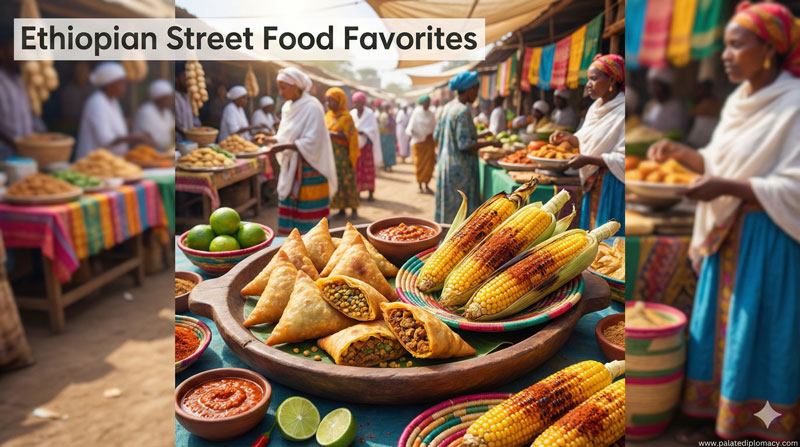
Top Reasons Ethiopians Love Sambusa
Sambusa is a beloved bite in Ethiopian cuisine. It travels from bustling city markets to quiet home kitchens, carrying warmth, craft, and welcome. In this post, we explore why Ethiopians treasure sambusa for its cultural value and culinary significance.
The Cultural Value of Sambusa
Sambusa is more than a snack. It signals hospitality and care. Families come together to prepare and share. Vendors craft sambusa fresh in markets, inviting conversations and smiles. The triangular shape feels balanced, guiding hands and conversations alike. People pass recipes down through generations, keeping memory alive in every fold.
Craft and Skill: Dough, Wrapping, and Filling
The craft begins with the dough: flour, water, and a pinch of salt. The dough rests, then rolls out thin. Fillings vary: minced meat, lentils, onions, garlic, and herbs mingle with spices. Common notes include cumin, coriander, and a touch of berbere for warmth. Wrapping demands a steady hand and patience; each triangle is sealed with moisture and care. Frying yields a crisp, light crust that crackles with every bite.
Flavor and Texture: A Sensory Experience
The first crackle draws you in. The outer shell is golden and flaky, yet sturdy enough to hold the filling. Inside, savory meat or lentils mingle with onions and spices, releasing aromatic steam. The contrast between a crisp exterior and a tender interior creates a satisfying texture. The aroma—garlic, spice, and fried dough—invites the senses and signals a moment of shared enjoyment.
Social Moments: Sharing and Hospitality
Sambusa gatherings echo everyday life in Ethiopia. Friends, neighbors, and relatives exchange stories as they prepare and eat together. A plate of sambusas often appears on tea breaks, after meals, or at market stalls. Serving sambusa is a gesture of welcome, hospitality, and connection. It turns a simple bite into a social ritual that strengthens community bonds.
Regional Variations and Interpretations
Across regions, sambusa reflects local ingredients and tastes. Some versions favor beef or lamb; others feature lentils or crops like peas for a vegetarian option. Spices vary by family and market, adjusting heat and fragrance. The shape remains familiar, but the fillings tell a regional story. This adaptability shows how Ethiopian cuisine honors local produce while keeping a shared tradition alive.
Pairings and Everyday Moments
Sambusa pairs beautifully with a cup of strong Ethiopian coffee or a spiced tea. They appear alongside injera or other flatbreads, offering a satisfying contrast in texture. In homes and cafés, sambusa complements conversations, serving as a flavorful bridge between meals and moments of rest. The dish remains accessible, inviting everyone to enjoy its crisp charm.
A Timeless Favorite: Why It Endures
Sambusa endures because it embodies craft, care, and community. It celebrates simple ingredients transformed through technique and patience. Each bite carries memory, warmth, and a sense of belonging. The dish stands as a small, perfect emblem of Ethiopian food culture—bright, welcoming, and deeply loved.
If you’re curious to experience sambusa at Home, start with a simple lentil filling or seasoned minced meat. Roll the dough thin, fold into triangles, and fry until crisp. Share with friends or family, and let the aroma weave new stories into your table. Sambusa invites you to pause, savor, and connect through food.