
Introduction
Top Reasons Ethiopians Love Sambusa is a celebration of a small pastry with a big heart. This savory parcel carries warmth from kitchens to gatherings. It stands as a beloved harbinger of hospitality, flavor, and shared moments.
The Craft Behind Sambusa
Sambusa begins with a simple dough. Flour, water, salt, and a touch of oil come together to form a smooth sheet. The dough is rolled very thin, then cut and folded into triangles or crescent shapes. Each piece is sealed with a dab of water to hold its fill. The result is a crisp, golden shell that protects a flavorful interior. The skill comes in shaping, sealing, and frying just enough to keep the center moist and the outside perfectly crisp. This craft is passed down in families and local kitchens, kept lively by weekly cooking rituals and joyful bites.
Filling and Flavor
Inside, sambusa offers a world of taste. A classic meat filling combines ground beef or lamb with onions, garlic, and ginger. Spices like berbere, cumin, coriander, and a pinch of black pepper wake the mix with warmth. Lentil and vegetable fillings offer bright, plant-forward options, often with peas, potatoes, or spinach. Each bite balances savory, aromatic, and slightly spicy notes. The filling can be moist but not soggy, ensuring a juicy center that stays well within the crisp shell. These fillings reflect regional preferences and Family Traditions, yet share a common love of bold, comforting flavors.
The Golden Moment: Frying and Texture
Frying is the defining moment for sambusa. A hot bath of oil turns the exterior into a delicate crunch while the interior stays tender and fragrant. The aroma is inviting: a hint of onion, garlic, and spice rising from the pan. Some cooks finish sambusa in a shallow fry to control oil absorption and coloration. A light dusting of sesame or nigella seeds adds a tiny crunch and a subtle nutty note. When done well, the shell shatters with a satisfying crack, revealing a warm, flavorful interior.
A Cultural Thread: Sharing, Hospitality, and Gatherings
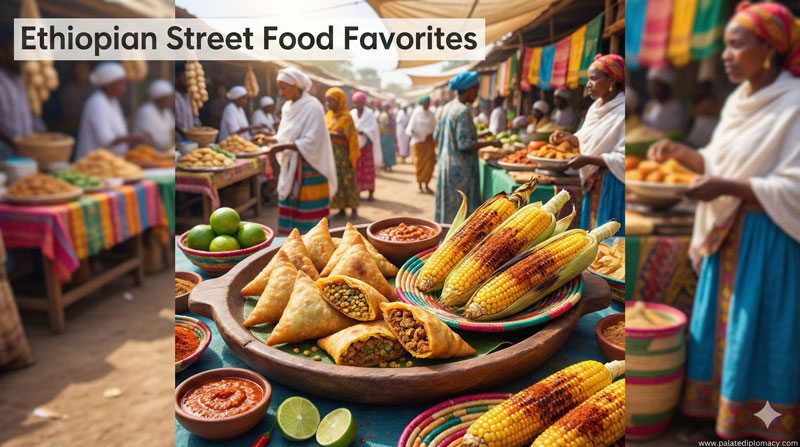
Sambusa is more than food; it is a symbol of hospitality. It often appears at family gatherings, markets, and social occasions. Sharing sambusa creates a sense of togetherness and welcome. It invites conversation and slows the moment so people can savor each bite. In many homes, making sambusa is a communal activity, with relatives passing dough, filling, and frying tasks along a calm rhythm. This cooperative spirit highlights how cuisine acts as a social glue in everyday life.
Regional Voices: Variations Across Ethiopia
Across regions, sambusa adapts to local tastes. Some places favor beef and onion fillings with warm spices. Others embrace lentil-based versions that are bright and hearty. The wrappers may vary in thickness or seam design, and a few cooks prefer a touch of zest from lemon or lime juice in the filling. Yet the essence stays the same: a handheld, shareable treat that welcomes guests and enriches meals. This regional diversity adds depth and texture to the dish, making sambusa a thread in Ethiopia’s broad culinary tapestry.
Pairings and Occasions: Coffee, Tea, and Celebrations
Sambusa pairs beautifully with daily rituals and special moments. It often accompanies coffee or tea, offering a savory balance to aromatic drinks. It also suits celebrations, market visits, and weekend meals. Its portability makes it ideal for picnics, lunches, and gatherings with friends and family. The offerings around sambusa—humble and flavorful—mirror the Ethiopian love of simple pleasures that unite people.
Home Cooking and Modern Twists
Home kitchens honor sambusa with care. Many families keep a trusted recipe and pass it on with pride. Modern twists appear in air-fried versions or baked sambusa for lighter options. Some cooks experiment with new fillings—roasted vegetables, spiced chickpeas, or yogurt-based sauces served on the side. These adaptations honor the dish’s essence while inviting new generations to connect with tradition in fresh ways.
A Respectful Craft: Craftsmanship and Heritage
The making of sambusa is a respectful craft. It honors discipline in dough handling, precise sealing, and mindful frying. It also honors generosity: the readiness to share a warm bite with others. This culinary practice reflects a cultural appreciation for texture, aroma, and balance. In short, sambusa embodies careful technique, welcoming flavors, and the joy of shared meals.
Conclusion
Top Reasons Ethiopians Love Sambusa come together in one delicious story. It is a testament to hospitality, craft, and the power of a simple food to bring people close. With every bite, sambusa celebrates texture, aroma, and community. It remains a cherished staple that lights up kitchens, markets, and gatherings with its inviting charm.