
Introduction: Tibs, a Dish of Kindred Tastes
Tibs is a beloved dish in Ethiopian homes. It speaks of warmth, welcome, and shared meals. The sizzle and aroma draw people together, turning a simple bowl into a gathering.
What Tibs Is: A Quick Portrait
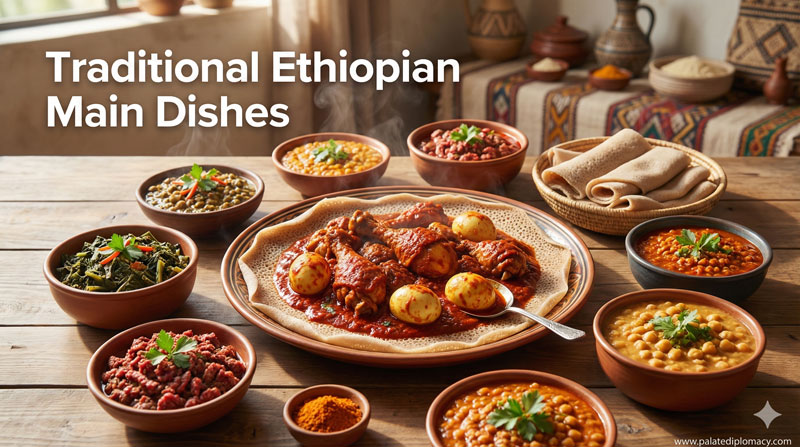
Tibs is typically bite-sized meat sautéed with onions, peppers, and tomatoes. It often features fragrant fats like niter kibbeh and spices such as berbere or minced garlic. The result is a bright, peppery dish with a savory depth that shines on the table. Injera, the sour flatbread, often anchors the meal, catching juices and sauce with every tearful bite.
The Social Core: Tibs as a Shared Experience
Ethiopian meals center on community. Tibs invites conversation and eye contact across a round platter. Diners gather around the table, lifting injera and dipping into the sizzling meat. This practice honors hospitality, a core value in daily life. The act of sharing tibs makes each bite a personal moment of connection.
Flavor, Techniques, and Aromas: The Craft Behind Tibs
Culinary craft shines in tibs. A quick, high-heat sauté preserves the meat’s tenderness while building a glossy glaze. Onions soften and sweeten, while peppers bring color and crunch. Spices release fragrance in waves, guiding the eater from aroma to flavor. Each cook adds a personal touch, making tibs a living expression of tradition and taste.
Serving Traditions and Etiquette: Grace at the Table
Tibs is served hot on a large platter or in a wide pan. Injera acts as both plate and utensil, aligned with the region’s sharing spirit. Guests are invited to tear pieces of injera and scoop up bites of tibs. The table becomes a stage for conversation, gratitude, and slow, attentive eating. Hospitality shines when the host offers seconds and ensures every guest is satisfied.
Regional Variations: Diversity Within a Shared Love
Variations exist that highlight local ingredients. Some tibs lean toward beef, others use lamb or chicken. They may include región-specific vegetables, different spice balances, or a lighter touch of oil. Yet the essence remains: a fast-cinished, flavorful dish that honors quick cooking and communal dining. Each version reinforces a sense of place within a shared culinary map.
Tibs in Everyday Life: From Home to Festive Tables
Tibs builds routine as well as celebration. It appears in weekday meals, adding brightness to ordinary hours. It also appears during family gatherings and special occasions, where generosity and togetherness shine. The dish grows with the household, adapting to both modest and grand tables without losing its welcoming core.
Pairings and Aromas: Complementary Flavors
Tibs pairs naturally with barley bread, lentils, or a simple salad. Its kick of heat and smoky richness balances the cool tang of injera. A glass of tej or a light, refreshing beverage can elevate the tasting experience. The right companion lets tibs breathe and be fully appreciated.
A Dish for All Generations: Passing Down Tibs
Young cooks learn from elders by watching tibs come together in real time. They learn to balance heat, sweetness, and salt. The tradition endures because the dish is easy to share, quick to prepare, and always inviting. In this way, tibs remains a bridge between generations, carrying memories into the future.
Conclusion: The Enduring Charm of Tibs
Tibs embodies the heart of Ethiopian food culture. It celebrates hospitality, skill, and the joy of gathering around a shared plate. With its bright flavors and simple, reverent preparation, tibs invites everyone to savor the moment and honor the meal together.