
Introduction: A Dish That Tells a Cultural Story
Gomen Besiga is a dish many Ethiopians welcome with warmth and curiosity. It centers on greens and tender meat, but its significance runs much deeper. This noodle-free, spoon-friendly plate speaks to hospitality, family bonds, and everyday artistry in the kitchen. Its aroma can welcome a guest before the first bite, inviting conversation and shared moments around the table.
What is Gomen Besiga?
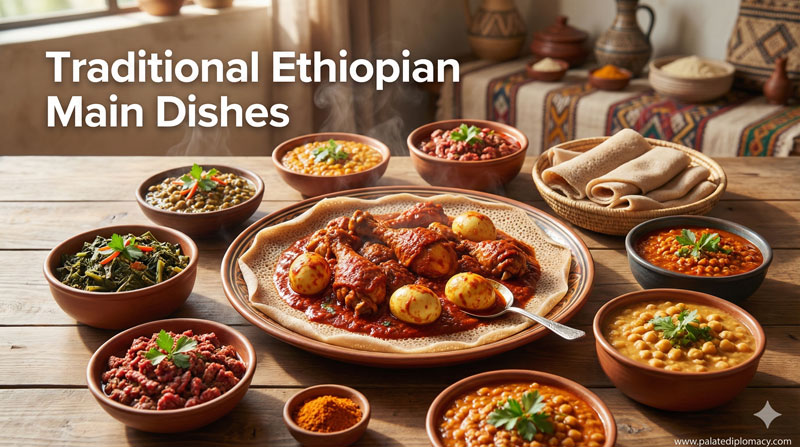
Gomen Besiga combines two familiar elements in Ethiopian cooking: gomen, or collard greens, and besiga, meat-based preparations. In practice, cooks fold chopped greens into a simmering pot with pieces of meat, creating a harmony of fresh greens and rich, savory notes. The dish is commonly finished with a splash of warm, spiced fat and a seasoning blend that may include garlic, onion, ginger, and mild to moderate warming spices. The result is a vibrant, hearty plate that pairs perfectly with injera, the sour, pancake-like bread that serves as the region’s natural utensil.
The Craft of Making Gomen Besiga
The heart of the dish lies in careful layering and balance. First, cooks begin with a base of aromatics—onions sautéed in niter kibbeh, a clarified butter seasoned with Ethiopian spices. This fat releases a comforting, nutty fragrance as it mingles with garlic and ginger. Next, greens are added, allowing their color to brighten the pot as they soften and release their own sweetness. Finally, pieces of meat join the mix, absorbing the flavors of the greens and the spiced butter. A gentle simmer rounds everything into a cohesive, deeply savory dish. The technique honors patience: greens soften to tenderness, meat stays juicy, and the overall texture invites gentle scooping with injera. This careful balance is a hallmark of Ethiopian home cooking and a key reason the dish feels both humble and refined.
Cultural Value: Hospitality, Family, and Shared Meals
Gomen Besiga stands as a symbol of hospitality. When this dish appears on the table, it signals welcome and generosity. Families prepare it for everyday meals and for gatherings, large or small, where the shared plate brings people close. The aroma travels through the home, linking cooks with memories of other kitchens and other tables. Preparing gomen besiga is often a collaborative affair: grandmothers guide the cutting and timing, while younger family members help with washing greens or stirring the pot. This cooperative cooking strengthens family ties and helps pass techniques, flavors, and stories from one generation to the next.
The dish also reflects the Ethiopian spirit of balance. The greens offer lightness and brightness, while the meat provides depth and satisfaction. When paired with injera, gomen besiga becomes a complete sensory experience—the sour tang of the bread, the warmth of the spiced butter, and the mingling herbs and greens. In many communities, sharing this plate is a small ceremony of care, inviting everyone at the table to participate and savor together.
Regional Flair and Personal Touches
Homes across Ethiopia adapt gomen besiga to local tastes. Some kitchens emphasize beef as the meat, others incorporate fish or chicken where appropriate. The choice of spices can vary with family tradition, season, or availability, producing subtle differences in aroma and heat level. Yet the core idea remains the same: greens gently cooked with meat, infused with a comforting blend of fat, garlic, and ginger. This flexibility showcases how Ethiopian cooks honor regional varieties while preserving a shared culinary identity.
Serving Traditions and Pairings
Injera is the ideal companion for gomen besiga. The soft, porous bread soaks up the savory sauce and carries bites of greens in each fold. The dish shines on simple plates as well as festive spreads, always inviting a slow, mindful bite and conversation. A cup of coffee or a light, aromatic tea can follow the meal, continuing a rhythm of hospitality that many Ethiopian households cherish.
Why Gomen Besiga Shines in Ethiopia’s Food Culture
- It embodies everyday beauty: humble greens and meat can become a dish of depth and grace.
- It reinforces hospitality and family bonds through shared preparation and eating.
- It celebrates balance: bright greens meet rich meat, light tang meets warming spice.
- It honors regional diversity while preserving a common culinary language.
Conclusion: The Enduring Beauty of Gomen Besiga
Gomen Besiga is more than a nourishing dish; it is a vibrant expression of Ethiopian food culture. Its cooking process teaches patience and care, its flavors invite warmth and conversation, and its presence at the table marks welcome and belonging. For anyone exploring Ethiopian Cuisine, this dish offers a doorway into the heart of how food and community entwine—beautifully, simply, and respectfully.